Racecards sit at the heart of British horse racing. British Racecourses uses racecards every day to assess runners, identify value and guide punters through each meeting.
Racecards present organised information, and each section of a card delivers a specific insight. The top of a racecard states the meeting, the time of the race, the class, the distance and the prize money. This data forms the basis of any informed reading because race conditions influence every runner’s chance. Racecards list the runners below this heading with a consistent layout. This helps punters compare horses without distraction. Each line of information creates a semantic link: horse has a rating, horse has a trainer, race has a distance, ground has an impact, jockey rides the horse. These fixed relationships form the structure used by British racing.
Racecards show official ratings, recent form figures, weight allocations, and draw positions. These details matter because each affects performance. Good judgment comes from accurately interpreting these fields. Racecards also include colours that identify each owner. Racecards give the jockey booking, which adds vital context because jockey skill and decision-making shape a race. Racecards display age, sex and equipment such as blinkers or cheekpieces. These additions influence behaviour and running style. Racecards also include notes on trainers, breeding and form lines. All these elements sit within a clear visual structure that remains consistent across British racecourses and digital platforms.
Racecard Structure
A racecard includes the meeting name, the course, the time, the class, the race title, the distance and the prize.
This introduction sets the framework for analysis. Racecards at UK courses follow this format to maintain clarity for bettors.
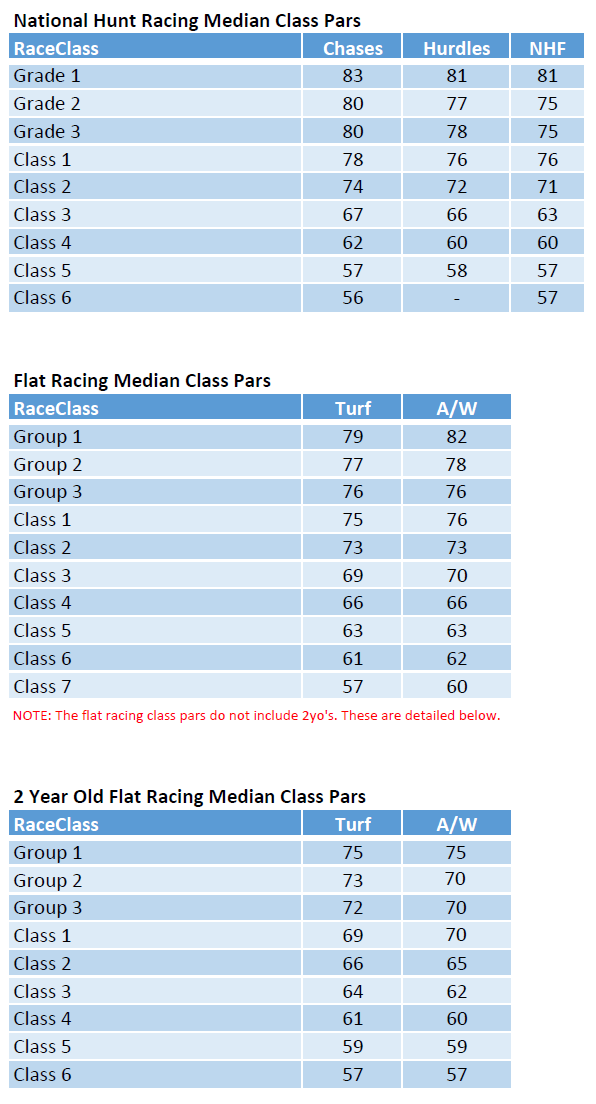
A Class 1 race displays elite horses, and a Class 6 race displays lower-level competition.
A race over 5f differs from one over 1m4f because distance alters stamina requirements. Racecards show these units clearly: £10,000 for prize money; 5f, 1m, or 2m4f for distances.


Race Title and Conditions
Racecards include race titles such as Handicap, Maiden, Novice, Conditions, Nursery or Group/Listed events.
Each title signals the type of runners eligible:
- A Handicap assigns weights based on ratings.
- A Maiden has not won a race. A Novice race includes lightly raced runners.
- A Group race displays elite form.
Racecards use these labels to indicate the contest’s hierarchy and purpose.
Race conditions on a card state the going, written as Heavy, Soft, Good to Soft, Good, Good to Firm or Firm. Going influences performance because horses show preferences linked to stride, physique and experience. A horse with proven form on Soft will show a stronger chance when the racecard states Soft going. Racecards connect going to performance by listing past form figures for suitable surfaces.
Runner Number and Draw
Racecards list each runner with a race number. In flat racing, a draw number appears next to it. The draw affects stall position and influences early race tactics.
A low draw at Chester often gives an advantage because the course has tight bends.
A high draw at straight tracks like Newmarket changes pace angles.
Racecards present these numbers clearly because they shape the interpretation of pace maps and running styles.
Horse Name and Silks
Racecards give the horse name in bold print and show the colours worn by the jockey. These colours represent the owner and help punters follow a horse during the race. Racecards include a small graphic of the silks.
British Racecourses always advises punters to review silks on the card to avoid confusion when multiple runners appear similar.
Age, Sex and Breeding
Racecards list the age of each runner. Age matters because horses peak at different stages.
Sprinters often reach maturity early, and stay-at-home types mature later.
Sex appears as C for colt, F for filly, G for gelding, M for mare and H for horse.
Breeding is included below the name. Breeding helps determine stamina, ground preference and development profile. A horse sired by a strong staying stallion will show a defined advantage over longer distances.
Official Rating
Racecards include the Official Rating (OR). This number reflects the performance level.
The British Horseracing Authority sets ratings based on past results. Racecards use this rating to determine handicap weights.
If Horse A has OR 95 and Horse B has OR 90, Horse A carries 5lb more in a handicap. T
Weight and Jockey Allowances
Racecards show the allocated weight each horse carries.
This appears in stones and pounds, such as 9th 4lb. In handicaps, higher-rated horses carry more.
In conditions races, weight depends on age, sex or previous wins.
Apprentice jockeys claim an allowance of 3lb, 5lb, or 7lb. This claim reduces the weight carried. Racecards present this clearly next to the jockey’s name.
Recent Form Figures
Racecards display a sequence of numbers representing recent finishing positions.
A 1 shows a win; a 2 shows second. Letters such as F for fall, P for pulled up, or U for unseated rider appear in jumps racing. Racecards also include a dash to divide seasons and a slash to mark a long break.
A run of figures like 321 indicates consistent form. A row like 0P4 shows mixed results. Racecards provide a snapshot of performance trends.
Trainer and Jockey
Racecards display the trainer and jockey name beside each runner.
Trainer patterns influence performance because some trainers target specific meetings or distances. Jockeys influence tactics and race position. Racecards offer stable and rider details to help punters judge reliability.
A trainer in strong form improves a runner’s chance. A jockey with solid course form enhances confidence.
Equipment and Headgear
Racecards note equipment such as blinkers (b), cheekpieces (p), visor (v), hood (h) or tongue tie (t).
First-time headgear appears as b1, p1 and so on. These additions aim to improve focus or breathing. Tongue-tie is common in both codes.
Racecards record these changes because they signal trainer intent and potential performance uplift.
Pace, Running Style and Comments
Racecards offer comments noting preferred tactics or relevant history.
These comments sit beside the primary data.
A horse with a front-running style benefits from an inside draw or a course with short straights.
A closer benefits from a strong early pace. Racecards connect these patterns into a readable form.
Distance and Class Indicators
Racecards state the race distance and class next to the race title.
Distance units follow UK standards such as 5f, 7f, 1m2f or 3m.
A runner proven at 1m4f gains a strong profile when racecards show that same trip.
A runner stepping up in class from Class 4 to Class 2 must improve.
Racecards list these details so punters can measure suitability.
Going History and Course Form
Racecards often include comments about course and distance form.
A horse that won over course and distance receives a CD indicator.
A horse with a distance-only win receives a D indicator.
A horse with a previous course win receives a C indicator.
Racecards highlight these because a proven record signals suitability.
British courses vary in layout, gradient and surface, so course form provides a significant guide.
Odds and Market Insights
Racecards include early prices and SP forecasts.
Odds show market opinion.
Many punters study racecards alongside odds to identify value.
A horse with strong form but a higher price than expected often holds interest. Racecards do not predict winners but provide the structure for accurate evaluation.
How British Racecourses Interpret Racecards
British Racecourses follows a precise method for reading cards.
The process begins with race conditions because they define suitability. Rating, weight, draw, form and trainer statistics follow.
Equipment changes and age trends add further clarity.
We study each semantic link without speculation. Racecard data gives enough structure to form a confident selection.
FAQs
What does the draw mean on a racecard?
The draw shows stall position in flat races. A low or high draw influences tactics depending on the course layout.
What do the form figures represent?
Form figures show finishing positions. Numbers show placings, and letters show incidents such as falls or pull-ups.
What is an Official Rating?
The Official Rating is a numerical measure of ability. Higher ratings indicate stronger horses.
Why does weight matter in handicaps?
Weight balances the field. Higher-rated horses carry more weight to level the competition.
What do letters like C, D or CD mean?
C shows a course win, D shows a distance win, and CD shows a course and distance win.
Why do racecards list headgear?
Headgear signals equipment used to improve focus or breathing. First-time headgear often indicates trainer intent.
What does a jockey claim mean?
A jockey’s claim reduces the weight carried. Apprentice jockeys receive a fixed allowance that improves a horse’s chance.
Why does going matter?
Going affects performance. Horses show clear preferences for specific ground conditions.
What is the most important part of a racecard?
Race conditions form the strongest starting point because they influence every other factor.
Where can I find more guidance on racecards?
British Racecourses provides detailed guides across the site, including our dedicated pages on racecards and form analysis.
Summary
Racecards provide structured horse racing information to support confident betting. Each section of a racecard displays precise data including ratings, weight, draw, going, distance, form, trainer and jockey.
British Racecourses uses racecards to assess suitability, identify strengths and highlight value. Clear interpretation of racecards strengthens strategy and improves understanding of British racing.