Looking for today’s racecards for the horse racing, including form, betting info, tips and more, for all races at both UK and Irish Racecourses?
With so many racing websites and betting brands now showcasing the latest racecards, which of these providers are the best?
Which ones bring punters and race-goers all the necessary information to study the form guides and make their informed racing selections for that day’s racing?
Read our guide to find out the top ones that we recommend.
Contents
- 1 Today’s Horse Racing Racecards Overview
- 2 Today’s Racecards: Your Guide to Horse Racing Action
- 3 What Are Racecards?
- 4 Best Racecard Providers For Today’s Horse Racing
- 5 Online Bookmakers Racecards
- 6 What To Look For In Today’s Racecards?
- 7 What Horse Racing Meetings Are On Today?
- 8 Horse Racing Cards Today on ITV?
- 9 FAQs
- 10 Summary of Today’s Racecards
Today’s Horse Racing Racecards Overview
In our guide, we have examined a range of suppliers to find something suitable for everyone; however, the best part is that all the ones we list are free to access.
Also, don’t forget that all the best horse racing sites will also have details of that day’s racing (including form guides), so you can check directly with your preferred online bookmaker as well.
You will find that Bet365 horse racing, William Hill, Ladbrokes and most of the other top brands have great information and you can also re-watch previous races of the horses that you are interested in.
Today’s Racecards: Your Guide to Horse Racing Action
“Today’s Racecards” are an essential part of the horse racing experience, providing detailed insights and information about the races scheduled for any given day. Whether you are a seasoned punter, a casual racegoer, or simply an enthusiast, understanding racecards can significantly enhance your enjoyment and betting strategy. At British Racecourses, we aim to provide comprehensive, up-to-date racecards to equip you with the information you need to make informed decisions.
What Are Racecards?
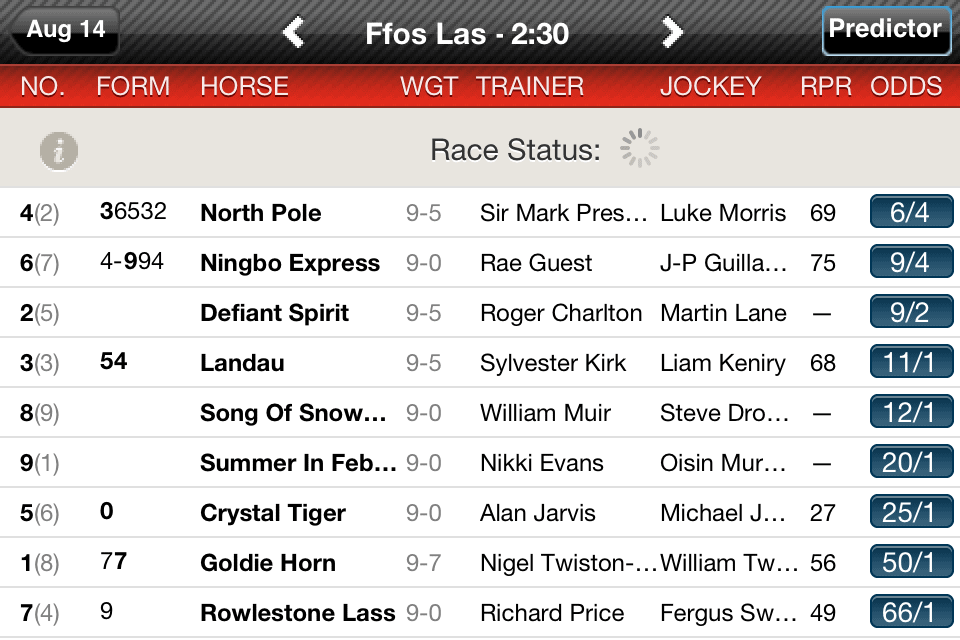
Racecards are a crucial tool in horse racing, offering an in-depth view of the day’s events at racecourses across the UK and beyond. A racecard provides information about each race, including the horses running, their form, jockeys, trainers, and odds. This information helps bettors assess the chances of each horse and decide where to place their bets.
Key Elements of Today’s Racecards
A typical racecard contains several important pieces of information that are crucial for any racing fan:
- Race Time and Location
Each racecard begins by specifying the time of the race and the racecourse where it is being held. This helps punters keep track of the races and plan their day accordingly. - Race Type and Distance
Details about the type of race (such as flat racing, National Hunt, or All-Weather racing) and the distance (in furlongs or miles) are provided. This information is vital because different horses perform better in specific race types and distances. - Horse Details and Form
The racecard lists each horse running in the race, along with its jockey, trainer, and recent form. The form is typically displayed as a series of numbers representing the horse’s finishing positions in recent races, providing punters with insight into its current performance level. - Weights and Odds
Horses are assigned different weights to carry, which can impact their performance. The racecard will show the weight each horse is set to carry, including any penalties or allowances. Additionally, betting odds are listed, reflecting the bookmaker’s assessment of each horse’s chances. - Race Conditions and Going
The going describes the condition of the racecourse surface (e.g., good, soft, heavy) and is a key factor in determining how a race might unfold. Horses tend to perform differently on various types of ground, making this information critical for betting purposes. - Additional Information
Other details on a racecard might include the silks worn by the jockey (the colours representing the horse’s owner), the horse’s age and breeding, and notes about any special equipment being used (like blinkers or visors).
Why Are Racecards Important?
Racecards are more than just lists; they are comprehensive guides to the day’s racing, providing invaluable insights for both casual fans and professional bettors. The information in a racecard enables deeper analysis, helping predict race outcomes and identify value bets.
How to Read a Racecard
Reading a racecard effectively is a skill that can significantly impact your betting success. Here are some tips:
- Study the Form: Look at each horse’s recent form to gauge their current condition and consistency.
- Consider the Trainer and Jockey: Certain trainers and jockeys have better records at specific tracks or with certain types of horses.
- Assess the Odds: While favourites are often the most likely winners, the best value can often be found by considering horses with longer odds but strong form indicators.
- Examine the Going: A horse that performs well on heavy going may struggle on firmer ground, so always factor in the race conditions.
Best Racecard Providers For Today’s Horse Racing
Here are all the best racecard providers for today’s horse racing events and a little information on what they offer:
Sporting Life – Today’s Racecards Review
We love the racecards provided by this leading racing brand. They have all the info you need, including: runners, riders, draw info, betting guides, prize money breakdown and a handy star rating given to each horse (rating each horse’s chance from one-star to five-star). The cards are well designed and easy to use and digest for any level of punter.
This information is also released 48 hours before a race, so there is no need to wait until the day to start making your choices.
Check out all runners and riders on the “today’s racecard” section on the Sporting Life and see if you agree!
Racing Post – Today’s Racecards Review
Another favourite from the team here at British Racecourses, the Racing Post needs no introduction as arguably the leading racing publication in the UK.
As you would expect, their racecards are superb, offering the basic info you would expect from any guide but also going more in-depth, allowing you to look at previous race analysis and breakdowns, trainer and jockey quotes, to re-watch races and also delve into pedigrees in great detail.
Note: some information is limited by subscription level on the Racing Post website, but all basic information is free for anyone.
We also feel that the subscription packages are worth it, especially if you are a regular punter.
You can check out all the racehorse runners and riders on the Racing Post racecard on the following link: today’s racecard guides on the Racing Post. Highly recommended.
Racing TV – Today’s Racecards Review
Not just a great TV channel solely dedicated to racing, Racing TV features all the racecards as well.
They host all the same info as the “big two” sites above, but they also replay the previous runners’ races (if they were on their TV channel); this is an amazing perk, and you don’t need to subscribe to their channel for this benefit. On top of that, their website is packed with other useful information, articles, race breakdowns, news and fun stuff.
The Racing TV racecards and the website, in general, are highly recommended as a source of great knowledge, containing all you need – runners, riders, draw info, betting guides, tips and more. It’s a superb racing resource and easy to access.
Check out today’s racecard information on Racing TV.
At The Races – Today’s Racecards Review
At The Races is another great source of information for all things racing!
You can check out all the racehorses and jockeys on the At The Races racecard for “today’s horse races” with ease – this includes UK and Irish racing, as well as International racing in Europe and even Hong Kong and Dubai. Well-designed, colourful, and informative, it strikes a balance between providing all the necessary information and not being overwhelming. This makes the site perfect for casual and weekend punters who want all the relevant information without being overwhelmed.
Simply check out today’s racecards on At The Races for free now.
Sky Sports – Today’s Racecards Review
Sky Sports, as you expect from Sky Sports, lists all the “today’s racecards” for daily horse racing events.
Being a sub-section of an overall brilliant sports website the info they provide for UK horse racing today is not as detailed as some of the niche sites mentioned so far (such as The Racing Post and Sporting Life), but for a casual punter or someone planning a great day at the races the info they provide is all you need; including form, draws, runners and riders, silk colours and more – you have everything you need to make an informed and fun punting selection.
Check out today’s racecard information on the SkySports.
GG.co.uk – Today’s Racecards Review
A no-nonsense racing website, GG lists all the basics that you’ll need when looking for current racecards. You can check out all today’s runners and riders, draws, betting guides and daily tips on the GG.co.uk racecard page for free, or follow the links here to today’s racecard information on the GG.co.uk. It may not be as slick as some of the larger racing-branded websites, but they have everything you need and are a bit of a hidden gem.
My Racing – Today’s Racecards Review
You can check out all the horse declarations for today on the MyRacing racecard for today’s horse races for free. Similar to GG, it isn’t as detailed as some other websites, but it offers all the information that you need and works well on both a tablet and mobile – so good when actually at the racetrack.
If My Racing is for you, check out today’s racecard information on the My Racing website.
Online Bookmakers Racecards
Here is a list of all the bookmakers that have racing cards for today’s races. You don’t need an account to look at them; however, if you want to open one, there are lots of great deals around.
bet365 Horse Racing
BET £10 GET £30 IN FREE BETS
Bet £10 & Get £30 in Free Bets for new customers at bet365.
Full T&C's Apply
Min deposit requirement. Free Bets are paid as Bet Credits and are available for use upon settlement of bets to value of qualifying deposit. Min odds, bet and payment method exclusions apply. Returns exclude Bet Credits stake. Time limits and T&Cs apply. Registration required.Betfred Horse Racing
GET £50 IN FREE BETSNew customers only. Register, deposit with Debit Card, and place first bet £10+ at Evens (2.0)+ on Sports within 7 days to get 3 x £10 in Sports Free Bets & 2 x £10 in Acca Free Bets within 10 hours of settlement. 7-day expiry. Eligibility & payment exclusions apply. Full T&Cs apply.
Full T&C's ApplyCoral Horse Racing
GET £20 IN FREE BETS18+ New UK+IRE Customers only. Certain deposit methods & bet types excl. Min first £5 bet within 14 days of account reg at min odds 1/2 to get 1x £20 free bets. Free bets available to use on selected sportsbook markets only. Free bets valid for 7 days, stake not returned. #AD Restrictions apply.
Full T&C's ApplyWilliam Hill Horse Racing
GET £40 IN FREE BETS18+. Play Safe. Online only. For new UK register customers using promo code G40. Deposit & place £10 cash single bet (min odds 1/2) on sportsbook (excl. Virtuals). Get £40 in Free Bets (4x£10), valid for sportsbook (excl. Virtuals), 7 days expiry, must use in full (£10 each). Not valid with deposits via PayPal, Neosurf, Paysafe, Apple Pay, NETELLER, Skrill, ecoPayz, Kalibra/Postpay or WH PLUS Card. One per customer. Full T&Cs apply. www.gambleaware.org #ad
Full T&C's ApplyLadbrokes Horse Racing
BET £5 GET £20 IN FREE BETS18+ New UK+IRE Customers only. Certain deposit methods & bet types excl. Min first £/€5 bet within 14 days of account reg at min odds 1/2 to get 4x £/€5 free bets. Free bets available to use on selected sportsbook markets only. Free bets valid for 7 days, stake not returned. #AD Restrictions apply.
Full T&C's ApplyBetVictor Horse Racing
BET £10 GET £30 IN FREE BETS18+ New customers only. Opt in, deposit & bet £10 (odds 2.00+) within 7 days of registration. Get £30 in Free Bets for selected markets, 7 days expiry. T&Cs apply. gambleaware.org | Please gamble responsibly
Full T&C's Apply






What To Look For In Today’s Racecards?
The basic information that you need to make sure a racecard continues is below:
- The runners
- The jockeys
- The trainer
- The form
- The draw – if a flat race
- The forecast ground
- Betting guide
- An overview of the race
- Tips
More advanced racecard information could include:
- Replays of former races
- In-depth pedigree guides
- Race history
- Record race-winning ties
What Horse Racing Meetings Are On Today?
There are horse race meets almost every day of the year, apart from a few days around Christmas time. Bank holiday race meetings are always the most popular, with the highlight of the year being Boxing Day and The King George Chase at Kempton Park.
For a full list of annual fixtures, check with BHA or HRI if you are looking to plan a trip way in advance.
Horse Racing Cards Today on ITV?
The racing cards today on ITV can be found here on the ITV Horse Racing schedule.
If you want to watch the ITV horse races, you can do so by going onto ITV1, which is on Sky Channel 103 and Virgin Media Channel 103. ITV1 Horse Racing shows six live races every Saturday. Weekend racing on ITV is hugely popular.
FAQs
Q: What is a racecard in horse racing?
A: A racecard is a guide that provides detailed information about the races scheduled for the day, including details on the horses, jockeys, trainers, race times, distances, weights, and odds.
Q: Why are racecards important for betting?
A: Racecards provide crucial information that helps bettors assess each horse’s chances, analyse form, understand race conditions, and make informed betting decisions.
Q: How do I read a racecard?
A: To read a racecard, look at the horse’s form, check the weight it is carrying, consider the jockey and trainer, review the odds, and take note of the race conditions like the going.
Q: Where can I find today’s racecards?
A: You can find today’s racecards on reputable horse racing websites such as British Racecourses, where we provide up-to-date information for all UK race meetings.
Q: What does ‘going’ mean on a racecard?
A: ‘Going’ refers to the condition of the racecourse surface, such as good, soft, or heavy. It can significantly affect a horse’s performance depending on its running style and preference.
Q: Can I use racecards to predict the outcome of a race?
A: While racecards provide valuable information to help predict race outcomes, horse racing remains unpredictable. However, a good understanding of racecards can significantly increase your chances of making successful bets.
Summary of Today’s Racecards
We have listed all the main suppliers of “today’s racecards” so that you can choose your horses for the races. All of the ones we list are free to use and provide all the info you need.
Racecards are an indispensable part of horse racing, providing fans and bettors with all the information needed to make informed decisions. At British Racecourses, our goal is to provide the most accurate and detailed racecards available, enabling you to stay ahead of the game. Whether you are analysing form, calculating odds, or simply enjoying a day at the races, a well-understood racecard is your best companion.
In some cases, a full list of horse racing programs (sometimes called brochures) is released online the evening before a meeting, or you can buy them at every racecourse.
If you ever fancy a flutter on ante-post betting, then we also have a guide for all tomorrow’s racecards.