Everything You Need to Know About Britain’s 59 Racecourses
Chapter 1: Britain’s Racecourses – Where Every Course Tells a Different Story
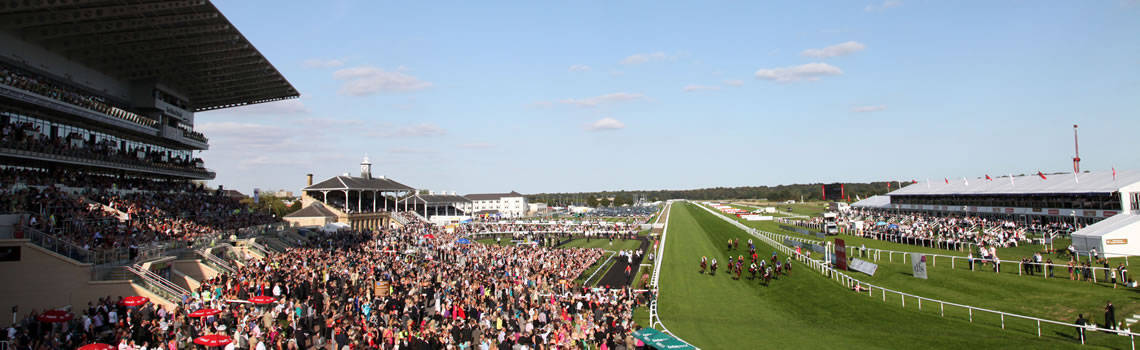
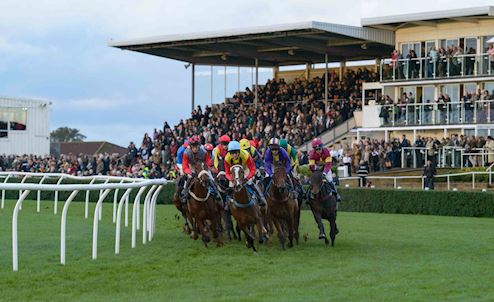
To the casual observer, every racecourse might appear much the same. A broad expanse of turf enclosed by white running rails, colourful silks flashing past packed grandstands and the familiar roar of the crowd as horses race towards the finishing post. Watch a handful of meetings on television, and it is easy to imagine that the venue itself plays only a supporting role, serving simply as the stage upon which the sport unfolds.
The reality is rather different.
In Britain, the racecourse is one of the competitors.
Every track presents its own questions, its own challenges and its own personality. Some demand blistering early speed, while others reward patience and stamina. Certain courses favour horses that can corner sharply, whereas others provide long, sweeping straights that allow powerful finishers to produce their best work. A few seem almost gentle at first glance before revealing punishing uphill climbs that have broken the hearts of countless favourites over the years.
It is one of the reasons horse racing remains endlessly fascinating.
A horse capable of looking unbeatable around Chester may struggle to reproduce that form at York. A champion that dominates the long straight at Ascot might find the cambers of Epsom far less accommodating. Trainers know this better than anyone. Long before a horse travels to the races, they have already considered not simply the quality of opposition, but whether the course itself is likely to suit the horse’s natural strengths.
The racecourse becomes another tactical consideration.
Another variable.
Another piece of the puzzle.
Britain possesses the most varied collection of racecourses anywhere in the world.
Across England, Scotland and Wales lie fifty-nine venues, each shaped by its geography, history and local traditions. Some occupy rolling hillsides where spectators enjoy panoramic views stretching for miles across the surrounding countryside. Others sit beside bustling towns that have grown alongside racing for centuries. A handful are synonymous with the sport itself, hosting events watched by millions around the world, while quieter provincial courses continue traditions that have brought local communities together for generations.
Many have changed remarkably little over time.
Unlike purpose-built modern sporting arenas, Britain’s racecourses have often evolved gradually around the landscapes that first welcomed racing hundreds of years ago. Valleys, hills, natural bends and open heathland have all influenced the shape of today’s tracks. Rather than forcing the landscape to fit the sport, racing frequently adapted to the landscape that already existed.
That heritage is still visible today.
Stand on the Downs at Goodwood, where the South Downs provide one of the finest backdrops in British sport, and it is impossible to separate the racing from its surroundings. Visit Perth, where the racecourse sits within the grounds of the historic Scone Palace, or walk beneath the ancient walls overlooking Chester Racecourse, and you quickly appreciate that these venues are woven into the history of the places they call home.
Every course tells a story.
Some stories stretch back almost a thousand years.
Others began only within living memory.
Yet together they form one of the richest sporting landscapes anywhere in the world.
Understanding racecourses also transforms the way you watch racing.
Suddenly, familiar phrases begin to carry real meaning. When commentators describe a horse as being better suited by a “galloping track” or suggest another runner will appreciate returning to a “stiff finish”, those are no longer mysterious pieces of racing jargon. They are observations about how individual horses interact with individual racecourses.
You begin to notice subtleties that once passed unnoticed.
Why does one jockey rush to secure a position before the first bend while another appears content to settle towards the rear?
Why do certain horses repeatedly excel at one venue despite appearing less impressive elsewhere?
Why do trainers often return to the same racecourse season after season with particular horses?
More often than not, the answer lies in the unique characteristics of the course itself.
For racegoers, these differences add another layer of enjoyment.
Choosing where to spend a day at the races becomes about far more than selecting the biggest meeting or the richest prize money. Some visitors fall in love with the atmosphere of intimate country courses where spectators can stand just metres from the runners. Others prefer the theatre and pageantry of Britain’s most famous racing festivals, where generations of history unfold before packed grandstands. Many simply enjoy discovering somewhere new, gradually building a personal collection of favourite racecourses, each remembered for its scenery, hospitality or unforgettable racing.
No two experiences are ever quite alike.
That diversity is perhaps the greatest strength of British racing.
Whether watching elite Thoroughbreds thunder down the Rowley Mile at Newmarket, witnessing steeplechasers tackle the famous fences of Aintree, standing beside the winning post at Cheltenham as champions climb relentlessly towards the finish, or enjoying a summer evening meeting at one of Britain’s smaller racecourses, each venue offers its own distinctive atmosphere and traditions.
This guide is an invitation to explore them all.
Over the chapters ahead, we’ll discover how Britain’s racecourses developed, why their layouts differ so dramatically, how geography influences racing tactics and what makes certain venues among the most celebrated sporting arenas in the world. We’ll look beyond the grandstands to understand the architecture of a racecourse, explore the facilities that welcome thousands of visitors every year and examine why trainers, jockeys and horses often develop lasting relationships with particular tracks.
By the end, you will never look at a racecourse in quite the same way again.
Because Britain’s racecourses are not simply places where horse races happen.
They are landscapes shaped by history.
They are communities built around sporting tradition.
They are homes to unforgettable moments that have inspired generations of racing enthusiasts.
Most of all, they are wonderfully individual.
And that individuality is what makes British horse racing unlike any other sport in the world.
Chapter 2: Britain’s Racecourses at a Glance
Britain may be relatively small in size, but it boasts one of the richest and most varied collections of racecourses anywhere in the world. From the Scottish Highlands to the South Coast of England, race meetings take place throughout the year at venues that range from internationally famous sporting arenas to charming country courses that have served their local communities for centuries.
Today, there are 59 racecourses across Great Britain, each with its own history, character and calendar of fixtures. Some host globally recognised events such as the Cheltenham Festival, Royal Ascot or the Grand National, attracting the world’s finest horses and hundreds of thousands of spectators. Others stage quieter weekday meetings where visitors can enjoy an afternoon of competitive racing in a relaxed and welcoming atmosphere.
Collectively, they form a sporting network unlike any other.
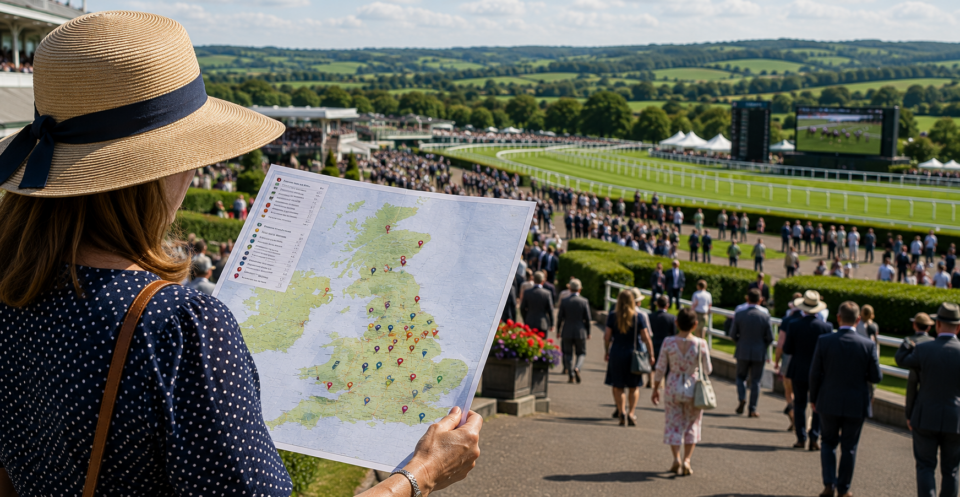
No matter where you live, there is every chance that a racecourse is closer than you think. Whether you’re searching for Racecourses Near Me, planning a weekend away or looking for the nearest venue to a major city, Britain’s racing calendar offers opportunities to experience the sport in every corner of the country. Many first-time racegoers are surprised to discover they have an excellent local course just a short drive away, making horse racing one of Britain’s most accessible spectator sports.
Racecourses Across England, Scotland and Wales
The majority of Britain’s racecourses are found in England, reflecting both its size and the historical development of organised racing over several centuries. Counties such as Yorkshire, Lancashire, Cheshire, Berkshire and Suffolk have become synonymous with the sport, while the great training centres of Newmarket and Lambourn continue to supply runners to meetings across the country.
Scotland may have fewer racecourses, but venues such as Ayr, Musselburgh, Hamilton Park, Kelso and Perth have established outstanding reputations. They host everything from prestigious National Hunt fixtures to popular summer Flat meetings, attracting racegoers from across the United Kingdom.
In Wales, Chepstow and Ffos Las provide two distinctly different racing experiences. Chepstow is perhaps best known for staging the prestigious Welsh Grand National, while Ffos Las has quickly become an important modern venue since opening in 2009, offering both Flat and National Hunt racing in the heart of South Wales.
This geographical spread is one of British racing’s greatest strengths.
Rather than being concentrated in a handful of major cities, racecourses are woven into towns, rural communities, seaside resorts and historic market centres across the country. That diversity ensures every region has developed its own racing traditions, loyal supporters and annual highlights.
If you’re planning your first visit, our regional guides such as Racecourses Near London, Racecourses Near Birmingham, Racecourses Near Manchester, Racecourses Near Leeds, Racecourses Near Bristol, Racecourses Near Cardiff, Racecourses Near Edinburgh and Racecourses Near Glasgow can help you discover the venues closest to home, often revealing excellent racecourses that many people never realise are nearby.
Four Different Types of Racecourse
Although every venue is unique, Britain’s racecourses fall into four broad categories.
The first are Flat racecourses, where racing takes place without obstacles. These tracks stage contests from explosive five-furlong sprints to stamina-testing races over two miles and beyond. Famous Flat venues include Newmarket, Ascot, York, Goodwood, Doncaster and Epsom, each presenting its own distinctive challenge despite sharing the same discipline.
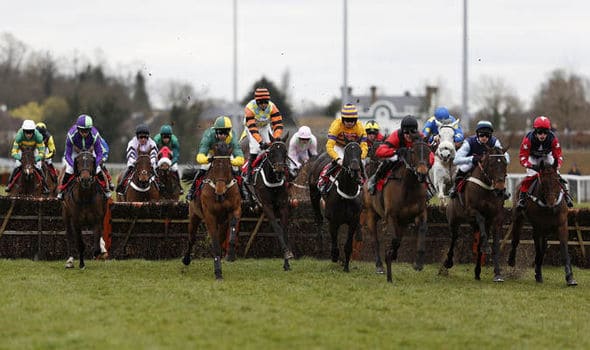
The second are National Hunt racecourses, dedicated exclusively to jump racing. These venues feature hurdles and fences that test not only speed but also jumping ability, courage and endurance. Courses such as Cheltenham, Aintree, Wincanton and Bangor-on-Dee have become synonymous with Britain’s jump racing tradition.
A third group consists of dual-purpose racecourses, capable of staging both Flat and National Hunt fixtures during different parts of the year. Venues including Carlisle, Chepstow, Musselburgh, Haydock Park and Newbury demonstrate the remarkable versatility of Britain’s racing calendar, seamlessly switching between disciplines as the seasons change.
Finally, there are Britain’s all-weather racecourses, where synthetic racing surfaces allow fixtures to continue even when winter weather makes turf racing impossible. Tracks such as Kempton Park, Lingfield Park, Southwell, Wolverhampton, Newcastle and Chelmsford City have become increasingly important, ensuring competitive racing can continue throughout the colder months.
Together, these four categories create a calendar that stretches across the entire year, offering racegoers an extraordinary variety of meetings regardless of the season.
More Than Numbers on a Map
It would be easy to think of Britain’s 59 racecourses simply as dots on a map.
In reality, every one represents something different.
Some are celebrated for hosting races that have shaped sporting history. Others are admired for their spectacular settings or distinctive layouts. A handful are architectural landmarks, while many remain at the heart of local communities, welcoming generations of families through their gates year after year.
Visit enough racecourses and a remarkable pattern begins to emerge.
No two days ever feel quite the same.
The atmosphere at a midsummer evening meeting on the Sussex Downs bears little resemblance to a crisp December afternoon at a National Hunt course. The grandeur of Royal Ascot contrasts beautifully with the intimate charm of smaller venues, while the roar that greets the opening race at the Cheltenham Festival creates an atmosphere unlike anywhere else in British sport.
This diversity explains why so many racing enthusiasts make it their ambition to visit every racecourse in Britain. For some, it becomes a lifelong journey, collecting memories from famous festivals, hidden gems and historic venues alike.
Fortunately, discovering where to begin has never been easier. Whether you’re searching for your nearest racecourse, planning a racing holiday or simply exploring Britain’s remarkable sporting landscape, the country’s extensive network of racecourses means your next great day at the races is rarely far away.
The challenge, as you’ll soon discover, is not finding a racecourse to visit.
It’s deciding which one to visit first.
Chapter 3: The History of British Racecourses – How Britain’s Racing Landscape Was Shaped
Long before grandstands rose above finishing straights or permanent rails marked the edge of carefully maintained turf, horse racing was held wherever suitable ground could be found.
There were no purpose-built sporting arenas.
No weighing rooms.
No parade rings.
No hospitality suites overlooking the winning post.
Instead, races were organised on open commons, rolling hillsides, stretches of heathland and wide expanses of grass where horses had room to gallop and spectators could gather to watch. The earliest meetings were often informal affairs, arranged around local fairs, markets or festivals, bringing entire communities together for a day of competition and celebration.
Those humble beginnings still influence British racing today.
Unlike many modern sports that are played inside purpose-built stadiums designed to identical specifications, Britain’s racecourses evolved naturally from the landscapes that first hosted them. Hills became part of the challenge rather than obstacles to be removed. Existing tracks and pathways influenced the shape of courses, while rivers, valleys and woodland dictated where horses could safely race.
As a result, no two venues ever developed in exactly the same way.
That individuality remains one of the defining characteristics of British racing.
From Open Countryside to Permanent Courses
During the seventeenth and eighteenth centuries, horse racing grew rapidly in popularity.
Royal patronage, increasing prize money and improvements in horse breeding transformed what had often been local contests into organised sporting events capable of attracting competitors from across the country.
With that growth came a need for more permanent venues.
Open stretches of land that had hosted occasional races gradually became recognised meeting places, returning year after year as spectators and competitors came to expect racing at the same location. Over time, simple markers gave way to more clearly defined courses, while basic facilities began appearing to accommodate owners, officials and growing crowds.
Many of Britain’s oldest racecourses owe their existence to this gradual evolution rather than a single moment of construction.
They were shaped over generations.
Each meeting added another chapter to their story.
The Influence of the Landscape
Perhaps more than any other sport, horse racing has always adapted to the land rather than demanding that the land adapt to it.
This explains why Britain’s racecourses vary so dramatically.
A course built across open heathland naturally developed differently from one laid out on rolling downland or within a river valley. Rather than levelling hills or creating artificial terrain, early organisers generally embraced the features already present.
That decision gave Britain some of the most distinctive sporting venues in the world.
The famous cambers of Epsom remain one of Flat racing’s greatest examinations of balance and athleticism because they follow the contours of the Downs. The sweeping turns of Goodwood reflect the shape of the Sussex hillside on which the course sits, while the relentless climb towards the finish at Cheltenham has become one of jump racing’s defining challenges.
These are not architectural features created by engineers.
They are landscapes shaped by nature and adopted by racing.
Market Towns and Communities
As racing became more established, many towns recognised the opportunities it created.
Annual race meetings attracted visitors, generated trade and brought prosperity to local businesses. Inns filled with travellers, markets became busier and communities began identifying themselves with the races held each year.
Some racecourses grew alongside historic market towns, while others developed close to expanding cities where improved transport links made attendance easier.
This relationship between racing and local communities continues today.
Many racecourses remain among the largest venues within their region, hosting concerts, exhibitions, conferences and community events throughout the year alongside racing fixtures. Their importance extends far beyond the sport itself, contributing to local economies while preserving traditions that have endured for centuries.
For countless towns and cities, the racecourse has become one of their defining landmarks.
The Victorian Racing Boom
No period shaped Britain’s racecourses more dramatically than the Victorian era.
The nineteenth century witnessed enormous changes across British society, and racing benefited enormously from them.
The rapid expansion of the railway network transformed travel.
Journeys that had once taken days could now be completed in hours, allowing horses, trainers and spectators to travel far more easily between racecourses. Meetings that had previously attracted mostly local audiences suddenly welcomed visitors from across the country.
Racecourses responded by expanding their facilities.
Grandstands grew larger.
Dedicated weighing rooms were constructed.
Members’ enclosures, dining rooms and improved viewing areas reflected the increasing popularity of racing among every level of society.
Many of the grand buildings that continue to define Britain’s most famous racecourses today date from this remarkable period of development.
Preserving Tradition While Embracing Change
Although Britain’s racecourses have continued to modernise throughout the twentieth and twenty-first centuries, most have done so with enormous respect for their heritage.
New grandstands provide improved comfort for spectators, advanced drainage systems help maintain racing surfaces throughout the year and modern technology supports everything from television broadcasting to photo finishes.
Yet despite these innovations, the essential character of many racecourses remains remarkably unchanged.
Stand beside the finishing post at Doncaster, look across the heath at Newmarket or watch runners descend towards Tattenham Corner at Epsom, and you are witnessing landscapes that generations of racegoers would instantly recognise.
That continuity is part of racing’s enduring appeal.
Every meeting adds another chapter without erasing those that came before.
Racecourses Beyond Racing
Modern racecourses have evolved into far more than sporting venues.
Many now host concerts, food festivals, Christmas markets, charity events, conferences and exhibitions throughout the year, ensuring they remain vibrant parts of their local communities even on days when no horses are competing.
This broader role helps preserve some of Britain’s most historic sporting venues while introducing entirely new audiences to racing.
Someone attending an outdoor concert at Newmarket, a food festival at York or a family event at Ascot may return months later for their first race meeting, discovering a lifelong passion they had never previously considered.
In this way, racecourses continue to evolve just as they always have.
Their purpose expands.
Their facilities improve.
Their audiences grow.
But their identity remains rooted in the traditions that first brought horses to these landscapes hundreds of years ago.
Landscapes That Became Sporting Landmarks
Perhaps the most remarkable aspect of Britain’s racecourses is that very few were designed to become iconic.
Instead, they earned that status through centuries of unforgettable sporting moments.
The greatest champions have galloped across their turf.
Legendary jockeys have ridden famous finishes beneath their grandstands.
Millions of spectators have celebrated victories, endured heartbreak and witnessed history being written before their eyes.
Over time, these places have become more than racecourses.
They have become landmarks within Britain’s sporting and cultural heritage.
Each possesses its own personality.
Each reflects the landscape that shaped it.
Each continues to evolve while remaining unmistakably itself.
Understanding that history is the first step towards appreciating why Britain’s racecourses are unlike any others in the world.
Because before they became sporting arenas, they were simply places where people gathered to watch magnificent horses run.
Everything that followed grew from those beginnings.
Chapter 4: The Different Types of British Racecourse
If you asked someone unfamiliar with horse racing to picture a racecourse, they would probably imagine a simple oval of grass enclosed by white running rails.
In reality, there is no such thing as a “typical” British racecourse.
Some courses stage only Flat racing, where speed and acceleration determine the outcome. Others are dedicated entirely to National Hunt Racing, with hurdles and fences providing an altogether different examination of horse and rider. Several host both disciplines at different times of the year, while a growing number rely on modern synthetic surfaces that make racing possible throughout the winter months.
Understanding these different types of racecourse is one of the easiest ways to appreciate why British racing offers such remarkable variety.
The calendar never stands still because the venues themselves have been designed, adapted and developed to suit different forms of the sport. A race meeting in July at Goodwood bears little resemblance to a December afternoon over fences at Cheltenham, despite both taking place under the umbrella of British horse racing.
Each serves its own purpose.
Each attracts its own specialists.
Together, they ensure there is always another chapter waiting to be written somewhere in Britain.
Flat Racecourses
For much of the year, Britain’s Flat racecourses provide the stage for some of the fastest equine athletes in the world.
These are the venues where explosive sprinters cover five furlongs in little more than a minute, where Classic winners earn their place in history and where generations of Thoroughbreds have demonstrated the combination of speed, balance and tactical awareness that defines Flat racing.
At first glance, Flat racecourses appear relatively straightforward.
There are no obstacles to jump.
No famous fences to negotiate.
No hurdles standing between the runners and the finishing line.
Yet appearances can be deceptive.
Every Flat course presents its own unique examination.
Some feature sweeping bends that allow horses to build momentum gradually, while others require sharp turns where maintaining position becomes crucial. Certain tracks climb relentlessly towards the finish, placing enormous emphasis on stamina, whereas others encourage fast, aggressively run races from the very start.
The wide expanses of York create a very different contest from the twisting circuit at Chester. The dramatic cambers of Epsom ask questions that few other courses can replicate, while the famous Rowley Mile at Newmarket has become one of the most respected stretches of turf in world racing.
Although all host Flat racing, no two demand exactly the same qualities.
National Hunt Racecourses
As autumn gives way to winter, attention gradually shifts towards Britain’s National Hunt courses.
Here, the challenge changes completely.
Instead of relying solely upon speed, horses must combine stamina, courage and accurate jumping over hurdles or fences that become as much a part of the contest as the rivals alongside them.
The racecourse itself often feels different.
National Hunt tracks tend to occupy larger areas of land, allowing room for longer distances and carefully positioned obstacles. Their layouts frequently include climbs, descents and undulating sections that test a horse’s endurance over races lasting four miles or more.
Some have become famous for individual features.
The uphill finish at Cheltenham has broken many seemingly certain winners.
The unique fences of Aintree, including Becher’s Brook and Canal Turn, are recognised far beyond racing circles.
Elsewhere, courses such as Exeter, Towcester and Ffos Las have built reputations for testing stamina when winter ground becomes particularly demanding.
For horses and jockeys alike, these venues ask questions that simply do not exist on the Flat.
Dual-Purpose Racecourses
Some of Britain’s most versatile venues refuse to specialise.
Instead, they embrace both disciplines.
Known as dual-purpose racecourses, these tracks host Flat racing during one part of the year before transforming to stage National Hunt meetings as the seasons change.
This flexibility requires careful planning.
Rails may be repositioned, hurdle and chase courses prepared and different sections of the track brought into use depending on the type of racing taking place. Behind the scenes, racecourse teams spend months ensuring the surface remains in excellent condition regardless of the discipline.
Visitors returning to the same venue at different times of year often experience what feels like two entirely different racecourses.
A warm June evening meeting featuring two-year-old sprinters may be followed months later by a muddy winter afternoon where seasoned chasers battle through testing conditions over three miles.
Courses such as Haydock Park, Newbury, Chepstow, Carlisle, Musselburgh and Lingfield Park demonstrate just how adaptable Britain’s racecourses have become.
They are among the busiest venues in the country, remaining active across much of the racing calendar.
All-Weather Racecourses
British weather has always played a defining role in racing.
Heavy rain, frost and snow have shaped countless race meetings throughout history, occasionally forcing fixtures to be postponed or abandoned altogether.
The introduction of all-weather racecourses offered a practical solution.
Rather than relying upon natural turf, these venues use specially engineered synthetic surfaces that remain consistent throughout much of the year. While conditions can still become challenging during periods of extreme weather, all-weather tracks provide a level of reliability that has become invaluable to the modern racing calendar.
Today’s all-weather venues include Kempton Park, Lingfield Park, Southwell, Wolverhampton, Newcastle and Chelmsford City.
Each uses carefully developed racing surfaces designed to provide safe, competitive conditions throughout every season.
For trainers, these courses offer dependable opportunities to keep horses running during the winter.
For racegoers, they ensure Britain’s racing calendar continues even when traditional turf meetings become difficult to stage.
They have become an essential part of the sport rather than simply an alternative to grass.
More Than Their Racing Calendar
Although racecourses are often grouped according to the type of racing they stage, these classifications reveal only part of the story.
Two Flat courses may have almost nothing else in common.
Two National Hunt venues can produce completely different styles of racing.
Likewise, dual-purpose and all-weather courses each possess distinctive characteristics that extend far beyond the surface beneath the horses’ hooves.
Their surrounding landscapes differ.
Their histories differ.
Their architecture differs.
Even the atmosphere created by spectators can vary enormously from one venue to another.
A bustling midsummer meeting at Ascot feels worlds apart from a quiet weekday fixture at a rural course, despite both belonging to the same sport.
This individuality explains why experienced racing followers rarely talk about racecourses simply as Flat or jump venues.
Instead, they describe them by personality.
Fast.
Demanding.
Fair.
Idiosyncratic.
Beautiful.
Intimidating.
Welcoming.
Every racecourse earns its own reputation over time.
A Foundation for Everything That Follows
Knowing whether a course stages Flat racing, National Hunt racing, both disciplines or all-weather fixtures is only the beginning.
The real character of a racecourse lies in its layout.
Is it left-handed or right-handed?
Does it climb relentlessly towards the finish or descend into the straight?
Are the bends tight enough to reward agility, or long and sweeping enough for powerful gallopers to build momentum?
These are the questions that truly separate one venue from another.
And they are the reason why Britain’s racecourses continue to fascinate trainers, jockeys and racegoers alike.
In the next chapter, we’ll explore those layouts in detail and discover why the shape of a racecourse can influence almost every stride of a horse race.
Chapter 5: Understanding Racecourse Layouts – Why Every Track Rides Differently
If Britain’s racecourses all staged races over the same distance, on the same surface and around identical layouts, horse racing would become a far more predictable sport.
Fortunately, they do not.
One of the greatest strengths of British racing lies in the extraordinary individuality of its racecourses. Long before the starter releases the field, the course itself has already begun influencing the contest. The shape of the bends, the length of the straight, the steepness of the climbs and even the direction in which horses travel all combine to create a challenge unlike any other.
This is why experienced trainers rarely ask only whether a horse is fit enough to race.
They also ask whether today’s racecourse will suit that horse.
Some Thoroughbreds flourish around tight, twisting circuits where quick acceleration and agility are decisive. Others require wide, galloping tracks that allow them to settle into a rhythm before using their stamina late in the race. Certain horses relish climbing finishes, while others produce their best form on flatter terrain where speed can be maintained from start to finish.
For newcomers, these differences can initially seem subtle.
Once you begin recognising them, however, they become impossible to ignore.
Every racecourse starts to develop its own personality.
Left-Handed and Right-Handed Courses
One of the first characteristics racing professionals consider is the direction in which horses travel.
Some racecourses are left-handed, meaning the runners negotiate their bends by turning left throughout the race. Others are right-handed, requiring horses to corner in the opposite direction.
At first glance this might seem insignificant.
After all, surely an elite racehorse can run equally well in either direction?
In many cases it can.
Yet just as some athletes naturally favour one side of their body over the other, many horses display subtle preferences. A horse that balances beautifully around left-handed bends may appear less comfortable when repeatedly turning right, while another may travel much more fluently in the opposite direction.
These preferences become particularly noticeable on tighter tracks where balance plays a greater role.
Experienced jockeys quickly learn how their mounts respond, adjusting their riding style accordingly to help maintain rhythm through every corner.
It is another reminder that racehorses are individuals, each possessing their own strengths and characteristics.
Galloping Courses
Few phrases are heard more often in racing than “this horse should appreciate a galloping track.”
But what does that actually mean?
A galloping racecourse generally provides long straights, sweeping bends and plenty of room for horses to find their stride without constantly adjusting their balance or position.
These layouts encourage rhythm.
Rather than accelerating sharply around tight corners, horses can settle into an even tempo before gradually increasing their effort during the closing stages.
Courses such as York, Doncaster and the expansive expanses of Newmarket are often described as galloping tracks because they reward horses capable of sustaining high cruising speeds over long distances.
Powerful stayers frequently thrive under these conditions.
So too do horses that require time to organise themselves before delivering a strong finishing run.
Watching races on these courses often creates an impression of elegance and flow, with the field stretching naturally rather than bunching together around successive bends.
Sharp Courses
If galloping courses reward rhythm, sharp courses reward agility.
These racecourses typically feature tighter bends, shorter straights and layouts that demand quick changes of pace.
Positioning becomes especially important.
A jockey caught wide around several tight turns can cover considerably more ground than rivals hugging the inside rail. Likewise, horses that respond instantly to acceleration often enjoy an advantage when races develop rapidly around compact circuits.
Among Britain’s most famous sharp tracks is Chester, whose remarkably tight turns have challenged generations of jockeys and trainers.
Drawing a favourable starting position can be particularly valuable there, while tactical awareness becomes just as important as raw ability.
Sharp racecourses remind us that horse racing is never simply a test of speed.
It is equally a contest of judgement, balance and timing.
Straight Courses
Not every racecourse requires horses to negotiate bends.
Several famous venues feature straight courses, where runners compete over a continuous straight stretch of turf from start to finish.
Without corners to influence tactics, races unfold differently.
There is often greater emphasis on maintaining balance over changing ground conditions, while jockeys must judge whether to race towards one side of the course or remain closer to the centre.
The famous straight courses at Newmarket, Ascot and Doncaster have produced countless memorable finishes.
From the grandstand, these races possess their own distinctive spectacle.
Instead of the field appearing around a final bend, spectators watch horses charging directly towards them, often spread across the width of the course as different groups search for the fastest ground.
The result can be one of the most dramatic sights in British sport.
Round Courses
Many racecourses combine straights with one or more bends to form round courses.
These layouts vary enormously.
Some are broad and sweeping.
Others are compact and demanding.
Some include only gentle curves, while others require horses to maintain balance through prolonged turns before entering the home straight.
Round courses introduce additional tactical considerations.
Early positioning becomes increasingly important, especially in large fields where losing ground around bends can prove costly. Jockeys constantly weigh the benefits of conserving energy against the risk of becoming trapped behind tiring rivals.
Because every round course differs in shape and scale, success at one venue offers no guarantee of repeating that performance elsewhere.
Hills, Valleys and Undulations
Perhaps more than any other country, Britain’s racecourses embrace natural terrain.
Rather than flattening every hill or smoothing every contour, course designers traditionally allowed the landscape to dictate the shape of the track.
The result is extraordinary variety.
Some courses rise steadily towards the finish, testing stamina long after speed alone has ceased to matter. Others descend before climbing again, requiring horses to continually adjust their balance and rhythm.
At Cheltenham, the famous uphill finish has become one of the defining examinations in National Hunt racing. Many horses appear to be travelling strongly approaching the home turn, only to discover the final climb demands reserves of stamina they no longer possess.
By contrast, venues such as Goodwood and Bath ask different questions through their constantly undulating terrain, rewarding horses capable of maintaining balance while travelling at racing speed across changing gradients.
These landscapes were not engineered to challenge racehorses.
Nature created them.
Racing simply learned to embrace them.
The Camber
One of the most distinctive features found at certain racecourses is the camber.
A camber refers to the sideways slope across part of the racing surface, causing horses to run on ground that is not perfectly level.
To the untrained eye it may appear insignificant.
For horses and jockeys travelling at forty miles per hour, however, it can demand remarkable balance.
Nowhere illustrates this better than Epsom, where the pronounced cambers of the Derby course contribute to one of Flat racing’s greatest examinations.
Horses must remain balanced while descending towards Tattenham Corner before straightening for the demanding climb to the finish.
Many outstanding racehorses have conquered Epsom.
Many equally talented horses have discovered that the course simply does not suit them.
It is one of Britain’s clearest examples of the racecourse itself becoming a decisive competitor.
Long Home Straights and Short Finishes
The final straight often shapes the entire character of a race.
At some venues, horses have a considerable distance between the final bend and the finishing post, allowing jockeys time to organise a sustained challenge.
Powerful finishers frequently excel under these circumstances because they can gradually build momentum without needing an explosive change of pace.
Elsewhere, the home straight is considerably shorter.
Decisions must be made instantly.
Leave your challenge too late and the winning post may arrive before your horse reaches top speed.
Go too soon and rivals may sweep past in the final strides.
These subtle differences explain why tactics vary so dramatically between racecourses.
Success depends not only upon riding well, but upon understanding the unique demands of the venue.
Why Trainers Pay So Much Attention to Tracks
By now, one thing should be becoming clear.
Racecourses are far more than locations.
They are individual sporting arenas with personalities every bit as distinctive as the horses competing upon them.
When trainers plan a horse’s campaign, they study far more than the prize money or the quality of the opposition.
They ask whether the course will suit the horse’s stride.
Whether it prefers a left-handed circuit.
Whether it handles undulating ground.
Whether it has previously performed well there.
Whether today’s layout offers the best opportunity to produce its finest performance.
These decisions are rarely accidental.
They are the product of years of observation and experience.
A horse that repeatedly excels at Chester may return there season after season.
Another might reserve its very best performances for the long straights of York or the demanding finish at Cheltenham.
The venue becomes part of the horse’s identity.
Every Racecourse Has Its Own Personality
Visit enough racecourses and you soon stop comparing them.
Instead, you begin appreciating them for their differences.
Some feel expansive and majestic.
Others are intimate and atmospheric.
Some demand courage.
Others reward patience.
Each presents a fresh puzzle for horses, trainers and jockeys to solve.
That remarkable diversity explains why Britain’s racecourses remain among the most admired in world racing.
They have never sought to become identical.
Instead, each has evolved according to its own landscape, history and traditions.
And it is precisely that individuality which ensures no two days at the races are ever quite the same.
Chapter 6: Why Course Characteristics Matter – When the Racecourse Becomes Part of the Competition
Long before declarations are made and jockeys climb into the saddle, trainers are already thinking about the racecourse.
Not the prize money.
Not necessarily the opposition.
The course itself.
To newcomers, this can seem surprising. Surely the objective is simply to find the best race available?
In reality, selecting the right racecourse is one of the most important decisions a trainer makes throughout a horse’s career.
A horse may possess the speed to compete at the highest level, yet still struggle if today’s venue asks questions that do not suit its natural way of racing. Another horse, perhaps less talented on paper, may thrive because every aspect of the course plays to its strengths.
This is one of the reasons horse racing can never be reduced to numbers alone.
The racecourse has a personality.
The horse has a personality.
Success often comes when those two personalities complement one another.
Every Horse Has Preferences
Throughout this guide, one theme has appeared again and again.
No two Thoroughbreds are exactly alike.
Some are naturally relaxed, conserving energy until the closing stages before producing a devastating turn of foot. Others are bold, enthusiastic front-runners who prefer to dictate the race from the very beginning. Some possess long, powerful strides ideally suited to wide, galloping expanses, while others are more agile, changing direction effortlessly around tighter circuits.
None of these characteristics is inherently better than another.
They are simply different.
The trainer’s responsibility is to understand those differences and place each horse in situations where it has the greatest opportunity to succeed.
That often begins with the racecourse.
Horses Remember Racecourses
One of the more fascinating aspects of racing is that horses often appear to develop an affinity for particular venues.
Spend enough time around trainers and jockeys and you will frequently hear phrases such as:
“He absolutely loves York.”
“She always runs well at Haydock.”
“This track really brings out the best in him.”
These observations are rarely accidental.
Horses become familiar with certain surroundings just as human athletes do. Returning to a course where they have previously run well can inspire confidence, while layouts that naturally suit their movement often allow them to reproduce their best performances time after time.
This phenomenon is so common that racing enthusiasts often refer to certain runners as “course specialists.”
Winning repeatedly at the same venue is never easy.
When it happens, it usually reflects a genuine compatibility between horse and racecourse.
The Importance of Balance
Watch a Thoroughbred cantering around the parade ring and it is easy to admire its elegance.
That balance becomes even more remarkable once the race begins.
Travelling at speeds approaching forty miles per hour while negotiating bends, changing gradients and competing alongside a field of rivals requires extraordinary athletic coordination.
Some horses appear beautifully balanced around sharp corners.
Others lose momentum slightly before finding their rhythm once more on straighter sections.
These subtle differences often separate victory from defeat.
At a demanding course such as Epsom, where cambers and gradients continually test balance, horses unable to travel comfortably may never produce their true form despite possessing abundant ability.
By contrast, the broad, sweeping expanses of York or the long straights at Newmarket often allow larger, more powerful horses to use their natural stride to maximum effect.
Pace and Position
Every race develops differently.
Sometimes the early pace is relentless.
Sometimes the leaders settle into a steadier rhythm before gradually increasing the tempo.
The layout of a racecourse often influences which scenario unfolds.
On tighter tracks, securing a prominent position before the first bend can prove enormously important. Horses forced wide around successive corners may travel considerably further than those racing efficiently along the inside rail.
Conversely, expansive galloping tracks provide more opportunities for jockeys to bide their time, conserving energy before delivering a challenge in the home straight.
This is why tactical riding cannot be separated from the racecourse itself.
The same jockey may adopt entirely different tactics aboard the same horse simply because today’s venue presents a different challenge.
Weather Can Change Everything
Even the most familiar racecourse refuses to remain constant.
British weather ensures that every visit presents a slightly different examination.
Heavy rainfall can transform a fast summer course into a stamina-sapping test within a matter of hours. Extended dry spells produce firmer ground that favours different types of horses, while strong winds alter the rhythm of races in ways that are often invisible to casual spectators.
A trainer entering a horse at Newbury in April cannot assume conditions will resemble those encountered during a previous visit.
The course remains the same.
The challenge may be entirely different.
This constant interaction between landscape and weather helps explain why racing continues to surprise even its most experienced followers.
Why Some Courses Create Specialists
Certain racecourses have become famous for producing horses that seem almost impossible to beat there.
Take Chester, for example.
Its famously tight circuit, short home straight and emphasis on early positioning create conditions unlike almost anywhere else in Britain. Horses that handle those demands confidently often return year after year with excellent records.
Similarly, the dramatic undulations of Epsom have exposed countless talented horses that simply could not adapt to the track’s unique character.
Jump racing provides equally striking examples.
The uphill finish at Cheltenham rewards courage and stamina in equal measure, while the distinctive fences at Aintree demand jumping accuracy and confidence that cannot simply be manufactured on the day.
These venues become part of a horse’s identity.
When racegoers speak of a “Cheltenham horse” or an “Epsom specialist”, they are recognising the remarkable relationship that sometimes develops between athlete and arena.
Trainers Build Campaigns Around Courses
For elite trainers, planning a season resembles solving an intricate puzzle.
Every horse has a programme carefully designed months in advance.
That programme rarely revolves solely around prestigious races.
Instead, trainers ask a series of practical questions.
Which distance is ideal?
Which time of year suits the horse?
Which going is most likely?
Most importantly, which racecourse offers the greatest opportunity to produce the horse’s best performance?
Sometimes that means bypassing a famous meeting in favour of a quieter fixture at a venue known to suit the horse particularly well.
To outsiders, such decisions can appear conservative.
Within racing, they are viewed as sound horsemanship.
Success is not merely about finding the biggest race.
It is about finding the right race.
Learning to Read a Race Differently
Once you begin understanding course characteristics, watching racing becomes an entirely richer experience.
You start noticing why commentators mention previous victories at the same venue.
You understand why trainers express delight when rain arrives before a race or concern when conditions become unusually firm.
You recognise why jockeys fight so hard for a particular position before entering the first bend.
Most importantly, you appreciate that every race begins long before the starting stalls open or the tape is released.
The contest starts with the choice of venue itself.
Months of planning, observation and experience have already shaped what unfolds over the next few minutes.
The Racecourse Is Never Just a Backdrop
To spectators, a racecourse provides the setting.
To those within racing, it is an active participant.
Its gradients test stamina.
Its bends reward balance.
Its straights influence tactics.
Its unique character shapes every decision made by trainers and jockeys alike.
That is why Britain’s racecourses continue to command such affection.
They are not interchangeable sporting arenas built to a common design.
They are individual landscapes, each asking a different question of every horse that steps onto the track.
And it is those questions that ensure no two victories ever feel quite the same.
Chapter 7: Britain’s Most Famous Racecourses – The Cathedrals of British Racing
Every racecourse has its own story.
Some are remembered for a famous finish that still lives long in the memory of racing fans. Others are celebrated for their spectacular scenery, their warm welcome or the role they play within their local community. Across Britain, every venue contributes something unique to the sport’s rich tapestry.
Yet a small number occupy a different place altogether.
These are the racecourses that have become woven into Britain’s sporting identity. Their names are recognised far beyond racing circles, appearing in newspaper headlines, television broadcasts and conversations between people who may only watch horse racing once or twice a year. They are the stages upon which legends are created, where generations of champions have secured their place in history and where hundreds of thousands of spectators gather each year to witness some of the greatest occasions in British sport.
What makes these venues remarkable is not simply the quality of the races they host.
Each possesses a personality all of its own.
Each has developed traditions that cannot be replicated elsewhere.
Together, they represent the very best of British racing.
Ascot – The Home of Royal Racing
Few sporting venues anywhere in the world combine prestige, tradition and elite competition as successfully as Ascot Racecourse.
Its association with the Royal Family stretches back more than three centuries, giving the course an identity unlike any other in Britain. Every June, Royal Ascot transforms the racecourse into one of the country’s great social and sporting occasions, where the famous Royal Procession, immaculate lawns and world-class racing create an atmosphere recognised around the globe.
Yet Ascot is far more than five spectacular days in June.
Throughout the year it stages an outstanding programme of both Flat and National Hunt racing, attracting many of the finest horses in training. The course itself is spacious and fair, with a long home straight that rewards patience, stamina and perfectly judged tactics.
For many owners, trainers and jockeys, success at Ascot represents the pinnacle of a career.
Winning there is never routine.
It is an achievement that carries lasting prestige.
Cheltenham – Where Jump Racing Finds Its Greatest Stage
If Ascot is synonymous with Flat racing’s pageantry, Cheltenham Racecourse is the emotional heart of National Hunt racing.
Every March, the Cheltenham Festival becomes the focal point of the jumping season as Britain’s and Ireland’s finest hurdlers and chasers compete in races that define careers.
The famous roar that greets the opening race has become one of the most recognisable sounds in British sport.
It represents months of anticipation released in a single unforgettable moment.
The course itself plays a crucial role in creating that drama.
Cheltenham’s demanding undulations and relentless uphill finish reward courage, stamina and determination, ensuring that only the very best horses prevail. Even champions must produce their finest performances to conquer Prestbury Park.
Perhaps that is why victories at Cheltenham are celebrated so passionately.
They are earned.
Aintree – Home of the Grand National
Mention horse racing to someone who rarely follows the sport and there is every chance the first race they name will be the Grand National.
Held each spring at Aintree Racecourse, it has become one of Britain’s most recognisable sporting events.
For generations, families have gathered around television screens to watch horses tackle the famous fences that have become legendary in their own right. Becher’s Brook, Canal Turn and The Chair are instantly familiar to racing enthusiasts and casual viewers alike.
While the Grand National understandably dominates public attention, Aintree is an outstanding racecourse throughout the year.
Its Festival features championship races that attract elite jump horses, while the modern facilities combine comfortably with the traditions that have made the venue famous for well over a century.
Very few sporting arenas can claim to have created moments remembered by so many people.
Aintree is undoubtedly one of them.
Newmarket – The Headquarters of British Racing
No town is more closely associated with British horse racing than Newmarket.
Often described as the headquarters of the sport, it is home to one of the largest concentrations of training yards anywhere in the world. Hundreds of racehorses exercise across the famous gallops each morning, while generations of trainers, jockeys and breeders have built their careers around the town.
Newmarket is unique because racing extends far beyond the racecourse itself.
It shapes the local economy, influences daily life and creates an atmosphere unlike anywhere else in Britain.
The town’s two courses, the Rowley Mile and the July Course, have staged many of the sport’s greatest races, including the opening Classics of the Flat season.
To visit Newmarket is to experience racing at its very centre.
It is a place where history, breeding, training and competition exist side by side, making it an essential destination for anyone wishing to understand British horse racing.
Epsom – The Home of The Derby
Some races become so important that they influence the sport across the world.
The Derby, run at Epsom Downs Racecourse, is one such contest.
Its reputation has become so great that countless nations have adopted the name for their own premier Classic races.
Epsom itself is unlike any other racecourse.
The dramatic descent towards Tattenham Corner, the pronounced camber and the demanding climb to the finish create one of Flat racing’s most searching examinations. Horses require not only speed and stamina but also exceptional balance and athleticism.
Many champions have discovered that Epsom asks questions no other course can.
Those capable of answering them earn an enduring place in racing history.
York – The Knavesmire’s Timeless Appeal
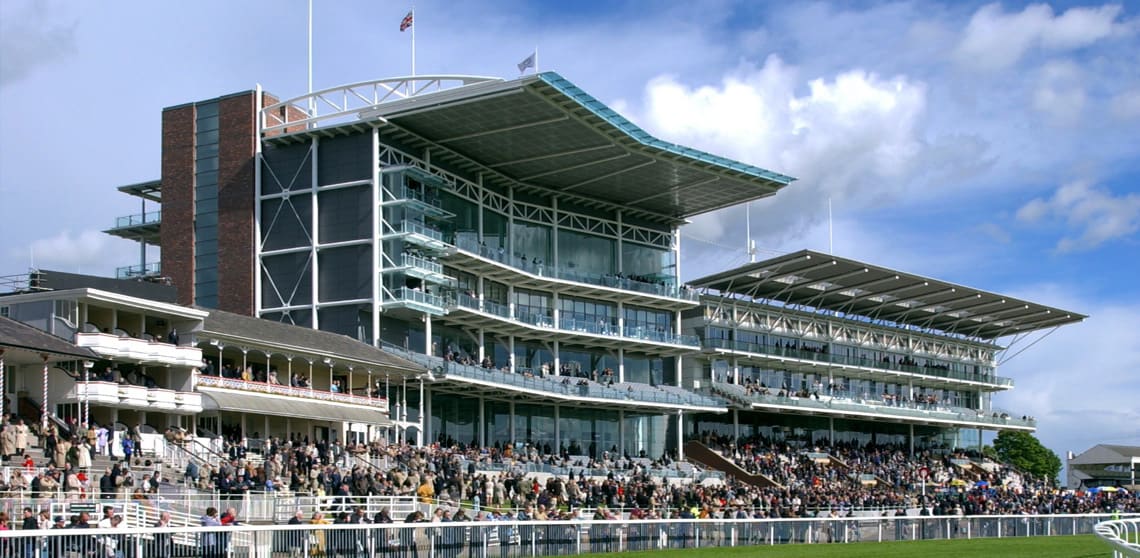
Set upon the expansive Knavesmire, York Racecourse combines first-class racing with one of the most welcoming atmospheres in British sport.
Its wide, galloping layout provides an honest examination for horses of every distance, while the city’s rich history creates a magnificent backdrop for major meetings throughout the season.
The highlight is undoubtedly the Ebor Festival, when some of the finest horses in Europe compete across four memorable days of racing.
Yet York’s appeal extends far beyond its biggest meeting.
The racecourse has earned a reputation for excellent facilities, superb viewing and a warm welcome that attracts both lifelong racing enthusiasts and first-time visitors.
It is often cited as one of Britain’s favourite racecourses.
A single visit quickly explains why.
Goodwood – Racing Among the Downs
Few racecourses possess a setting to rival Goodwood Racecourse.
High on the Sussex Downs, surrounded by sweeping countryside and uninterrupted views, it feels almost inseparable from the landscape itself.
That beauty is matched by the challenge presented to horses.
Goodwood’s undulating track rewards balance, rhythm and tactical awareness, while its distinctive character has made it one of the most recognisable courses in Britain.
Every summer, Glorious Goodwood brings together elite racing and relaxed elegance in equal measure.
The result is a meeting that feels entirely different from Royal Ascot or York, proving once again that Britain’s racecourses each possess their own unmistakable personality.
Doncaster – Where History Meets Modern Racing
Few venues can rival Doncaster Racecourse for historical significance.
Home to the St Leger Stakes, the oldest of Britain’s five Classics, Doncaster has welcomed generations of champions since the eighteenth century.
Its broad, fair racing surface has long been admired by trainers and jockeys, while the racecourse continues to host major Flat and National Hunt meetings throughout the year.
Standing beside the finishing straight, it is impossible not to appreciate the weight of history beneath your feet.
Every September, another chapter is added as the St Leger introduces a new Classic winner to racing history.
It is a tradition that has continued for almost 250 years.
Icons Within a Much Bigger Story
It is easy to focus solely on Britain’s most famous racecourses.
Their festivals dominate headlines.
Their great races attract worldwide audiences.
Their winners become household names.
Yet they represent only part of Britain’s remarkable racing landscape.
Beyond these iconic venues lie dozens of racecourses with stories every bit as fascinating. Some are hidden among rolling countryside, others overlook the sea, while a few possess layouts found nowhere else in the world.
Together, they remind us that British racing’s greatest strength has never been a single racecourse.
It is the extraordinary diversity of all fifty-nine.
The famous venues may inspire us to begin exploring.
The less familiar ones often become the places we return to again and again.
Chapter 8: Britain’s Most Unique Racecourses – Extraordinary Places to Watch Horse Racing
One of the great joys of exploring British racing is discovering that no two racecourses feel remotely alike.
Modern sports often take place in venues built to remarkably similar designs. Football stadiums, rugby grounds and athletics tracks inevitably share many of the same characteristics because they are constructed to common specifications.
Racecourses have never followed that path.
Instead, they have grown out of the landscapes that existed long before organised sport arrived. Hills were embraced rather than flattened. Ancient parkland became racing circuits. Roman cities, seaside cliffs and country estates all found their place within Britain’s racing calendar.
The result is an astonishing collection of sporting venues, each possessing a character that could never be recreated elsewhere.
Some challenge horses with gradients unlike anything found at another course. Others are famous for breathtaking scenery, unusual architecture or traditions that have survived for generations.
These are the racecourses that remind us British racing is as much about place as it is about sport.
Chester – Racing Beneath the Roman Walls
There is nowhere quite like Chester Racecourse.
Known affectionately as the Roodee, it occupies a remarkable position beside the ancient Roman walls that have overlooked the city for centuries. Racing has taken place here since the sixteenth century, making it one of the oldest continuously operating racecourses in Britain.
Its setting is only part of its appeal.
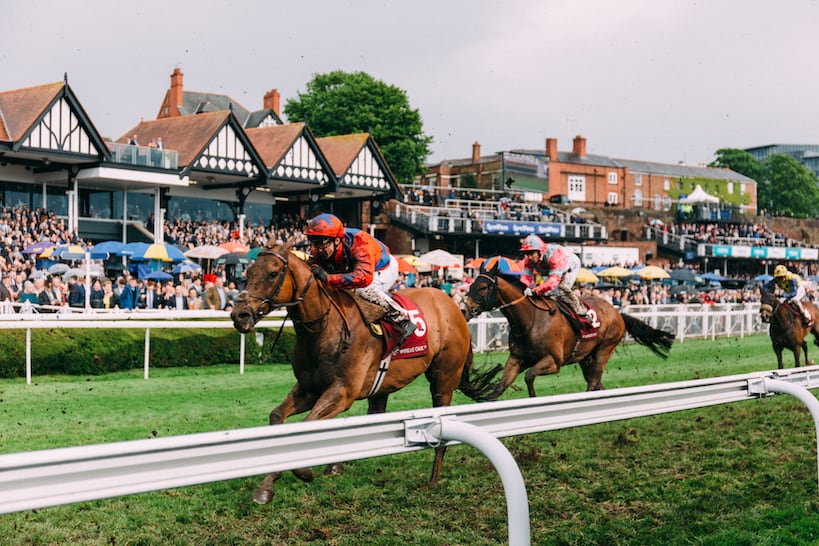
The course itself is famously tight, with sweeping bends arriving in quick succession and one of the shortest home straights in British Flat racing. Horses have little time to recover lost ground, making tactical positioning enormously important from the moment the stalls open.
For spectators, Chester offers an intimacy rarely found at larger venues.
The horses seem almost within touching distance as they thunder around the compact circuit, creating an atmosphere that feels immediate, vibrant and wonderfully distinctive.
It is a racecourse that rewards experience, precision and quick thinking.
Epsom – The Course That Defies Convention
Every famous racecourse has defining characteristics.
Epsom Downs has several.
Its dramatic gradients, pronounced cambers and constantly changing terrain create one of the most demanding examinations in Flat racing. Even experienced racegoers are often surprised by how steep parts of the course appear when viewed in person.
The challenge begins long before the home straight.
Horses descend rapidly before negotiating the famous Tattenham Corner, then straighten for an uphill finish that tests balance as much as stamina.
Very few racecourses ask so many different questions within a single race.
Perhaps that explains why victory in The Derby carries such prestige.
Winning at Epsom requires a complete racehorse.
Goodwood – Britain’s Most Beautiful Racecourse?
Ask racing enthusiasts to nominate Britain’s most picturesque racecourse and many will immediately mention Goodwood.
Perched high on the South Downs, the course enjoys panoramic views stretching across the Sussex countryside towards the English Channel.
On a clear summer afternoon, the scenery alone justifies the journey.
Yet Goodwood is much more than a beautiful setting.
Its undulating layout ensures races rarely unfold in straightforward fashion, while the atmosphere during Glorious Goodwood combines relaxed elegance with world-class sporting competition.
Few places capture the romance of British racing quite so successfully.
Brighton – Racing Beside the Sea
Few sporting venues enjoy a location as distinctive as Brighton Racecourse.
Situated high above the English Channel, the course offers uninterrupted coastal views that make it one of the most scenic racecourses in the country.
Its hillside setting also creates one of Britain’s most unusual layouts.
The gradients, cambers and turning circuit demand balance and adaptability from every runner, while changing coastal weather can add another layer of complexity.
Visitors often find themselves looking almost as frequently towards the sea as they do towards the finishing post.
It is racing with a view unlike almost anywhere else.
Cartmel – Racing at a Different Pace
If any racecourse demonstrates that bigger does not necessarily mean better, it is Cartmel.
Nestled within the Lake District, this charming National Hunt venue has become famous for its wonderfully relaxed atmosphere.
Many visitors arrive early, picnic beside the course and spend the entire day enjoying the occasion as much as the racing itself.
The village and racecourse seem to merge into one another, creating a sense of community that feels refreshingly traditional.
Cartmel reminds us that horse racing has always been about bringing people together.
The races are central to the day.
But they are not the only reason people return year after year.
Fontwell Park – Britain’s Figure-of-Eight Racecourse
Among Britain’s sixty-odd racing venues, one stands apart for a very unusual reason.
Fontwell Park is the country’s only figure-of-eight racecourse.
Instead of following a conventional oval or circuit, the layout crosses itself, creating a configuration found nowhere else in British racing.
For newcomers, it is a fascinating spectacle.
For jockeys, it presents a challenge requiring careful judgement and familiarity with the course.
The unusual design has made Fontwell one of the easiest racecourses to recognise instantly.
It is proof that British racing has never been afraid to embrace individuality.
Bath – Racing Above the City
High on Lansdown Hill sits Bath Racecourse, Britain’s highest Flat racing venue.
Its elevated position provides magnificent views across the city and surrounding countryside, creating an experience unlike many other racecourses.
Summer evenings at Bath possess a particularly relaxed atmosphere.
As the sun begins to set across the hills, racing unfolds against one of the country’s most attractive backdrops.
The course demonstrates perfectly that not every memorable racecourse needs to stage the biggest races.
Sometimes location alone creates lasting memories.
Fakenham – National Hunt’s Tightest Challenge
Compact, friendly and wonderfully distinctive, Fakenham Racecourse has earned a reputation for producing entertaining jump racing.
Its relatively tight circuit rewards accurate jumping and tactical awareness, with races often developing quickly as horses negotiate successive bends.
For spectators, this creates excellent viewing.
The field rarely disappears from sight for long, allowing racegoers to follow the action from almost every point around the course.
It is another reminder that every venue offers a different perspective on the sport.
Hamilton Park – A Garden with a Racecourse
Visitors to Hamilton Park frequently comment on something unexpected.
The gardens.
Immaculately maintained floral displays have become almost as famous as the racing itself, helping create an atmosphere unlike any other British racecourse.
Combined with excellent hospitality and a welcoming environment, Hamilton has developed a loyal following that extends well beyond Scotland.
It demonstrates how racecourses develop personalities through countless small details rather than racing alone.
Musselburgh – History Beside the Sea
Only a few miles from Edinburgh lies Musselburgh Racecourse, one of Scotland’s oldest sporting venues.
Its compact layout, enthusiastic crowds and proximity to the coast have helped make it one of the country’s most popular racecourses.
Hosting both Flat and National Hunt racing, Musselburgh offers remarkable versatility while retaining the friendly atmosphere for which it has become known.
Like many of Britain’s racecourses, its greatest strength lies not in trying to imitate larger venues but in celebrating its own distinctive character.
The Charm of Discovery
The remarkable thing about Britain’s racecourses is that every enthusiast eventually develops favourites.
Sometimes they are the famous venues seen on television every year.
More often, they are places discovered almost by accident.
A summer evening at Ripon.
A family day at Worcester.
An autumn afternoon at Kelso.
A first visit to Ludlow, Salisbury, Hexham or Market Rasen that turns into an annual tradition.
These smaller racecourses rarely dominate national headlines, yet they are every bit as important to the fabric of British racing.
They sustain local communities, nurture lifelong racing fans and preserve traditions that have endured for generations.
Many people set themselves the challenge of visiting all 59 racecourses, discovering not only the great festivals but also these hidden gems scattered across England, Scotland and Wales.
It is an ambition that usually begins with one simple realisation.
The next unforgettable day at the races may not be at Britain’s most famous racecourse.
It could be at the one closest to home.
Because one of the greatest pleasures of British racing isn’t simply returning to favourite venues.
It’s discovering the next one.
Chapter 9: Visiting a British Racecourse – Making the Most of Your Day at the Races
For many people, a visit to the races begins with the horses.
It ends with so much more.
Ask regular racegoers what they remember most about a favourite meeting and the answer is rarely confined to the winner of the feature race. Instead, they talk about the atmosphere that built throughout the afternoon, the conversations shared over lunch, the anticipation before the runners entered the parade ring or the collective roar as the field swept into the home straight.
A day at a British racecourse is a complete experience.
It combines sport, history, hospitality and entertainment in a way few other events can match.
Whether you are attending a prestigious festival with tens of thousands of spectators or a quieter weekday fixture at a local course, every race meeting follows a familiar rhythm while retaining its own unique personality.
Knowing what to expect allows you to relax and enjoy everything the day has to offer.
Choosing the Right Racecourse
The first decision is often the easiest.
Which racecourse should you visit?
For many newcomers, the answer is simply the nearest one.
Britain’s network of 59 racecourses means that most people are within reasonable travelling distance of at least one venue. A local meeting offers an excellent introduction to the sport without the crowds associated with the biggest festivals.
Others prefer to build their first experience around one of racing’s famous occasions.
Royal Ascot, the Cheltenham Festival, the Grand National Festival at Aintree, the Ebor Festival at York and Glorious Goodwood each provide unforgettable experiences, albeit with considerably larger crowds and higher demand for tickets.
Neither approach is right or wrong.
Some people fall in love with racing at a major festival.
Others discover its appeal during a relaxed afternoon at a smaller course where there is time to explore every corner of the venue.
Sometimes the best racecourse is simply the one waiting closest to home.
Arriving Before the First Race
Experienced racegoers rarely arrive just before the opening contest.
Part of the pleasure lies in watching the racecourse gradually come to life.
The gates open.
The first spectators begin to wander through the enclosures.
Stable staff lead immaculately prepared horses towards the parade ring while bookmakers arrange their betting boards and catering outlets welcome the day’s first customers.
Everything builds steadily.
Arriving early provides time to collect a racecard, familiarise yourself with the layout and enjoy the atmosphere before attention turns towards the opening race.
It also allows you to appreciate the racecourse itself.
Many of Britain’s venues occupy magnificent settings that deserve exploration long before the racing begins.
Exploring the Racecourse
No two racecourses are designed alike.
Some are wonderfully compact, allowing visitors to walk comfortably between the grandstand, parade ring and viewing areas within minutes.
Others occupy extensive sites where exploring becomes part of the day’s enjoyment.
Take time to wander.
Watch horses in the parade ring before each race.
Visit different viewing points around the course if they are accessible.
Notice how the perspective changes depending on where you stand.
A finish viewed from beside the winning post feels entirely different from one watched high within the grandstand or alongside the running rail.
Many visitors return to the same racecourse repeatedly while discovering a favourite place from which to watch the action.
More Than Just Racing
Although the horses remain the centrepiece, today’s racecourses offer much more than the racing programme itself.
Restaurants range from informal cafés to fine dining overlooking the finishing straight.
Bars and hospitality suites cater for every occasion, while many courses organise live music, family entertainment, food festivals and themed events throughout the season.
Even on quieter racedays there is rarely a shortage of things to enjoy between contests.
Children may discover educational activities or chances to meet retired racehorses.
History enthusiasts can admire grandstands that have witnessed generations of champions.
Photography enthusiasts often spend as much time capturing the surrounding scenery as the racing itself.
The modern racecourse has become a destination rather than simply a sporting venue.
Experiencing the Parade Ring
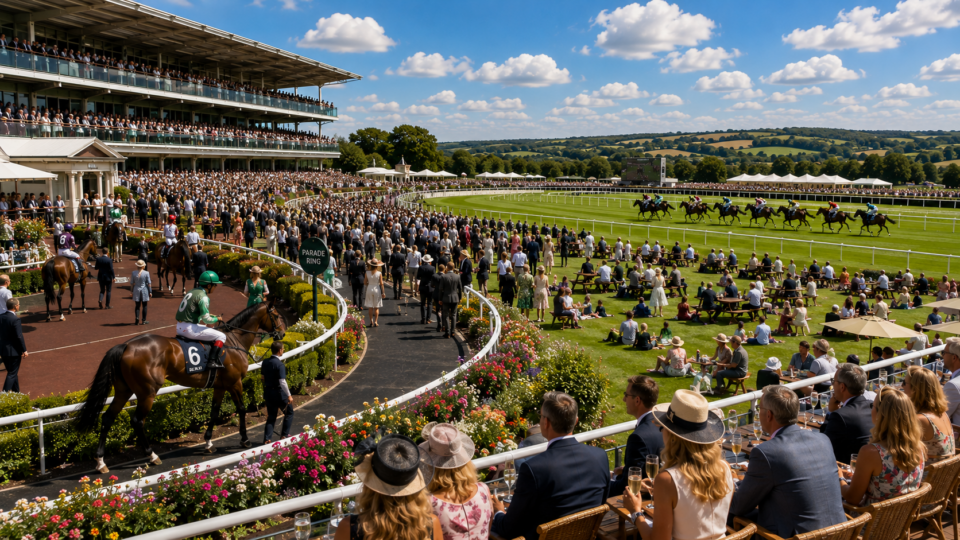
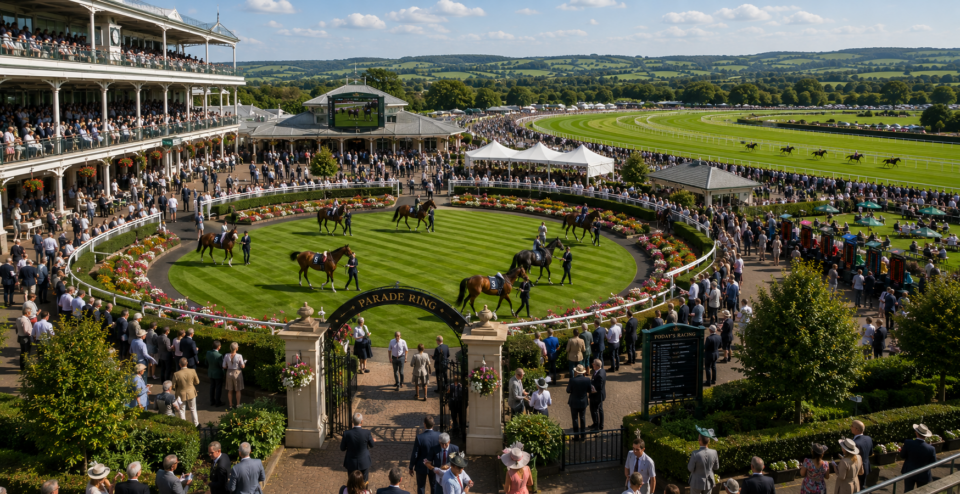
For many racing enthusiasts, the parade ring remains one of the most fascinating parts of any racecourse.
This is where horses are saddled before each contest, allowing owners, trainers and jockeys to make final preparations before heading onto the track.
It is also one of the few opportunities spectators have to observe the runners at close quarters.
Some horses walk calmly, conserving energy.
Others appear full of enthusiasm, striding purposefully around the ring with ears pricked.
Experienced racegoers often study body language, fitness and temperament before deciding which horse they believe is most likely to perform well.
Even if you have no intention of placing a bet, the parade ring offers a wonderful insight into the professionalism that underpins every race meeting.
Watching the Racing Unfold
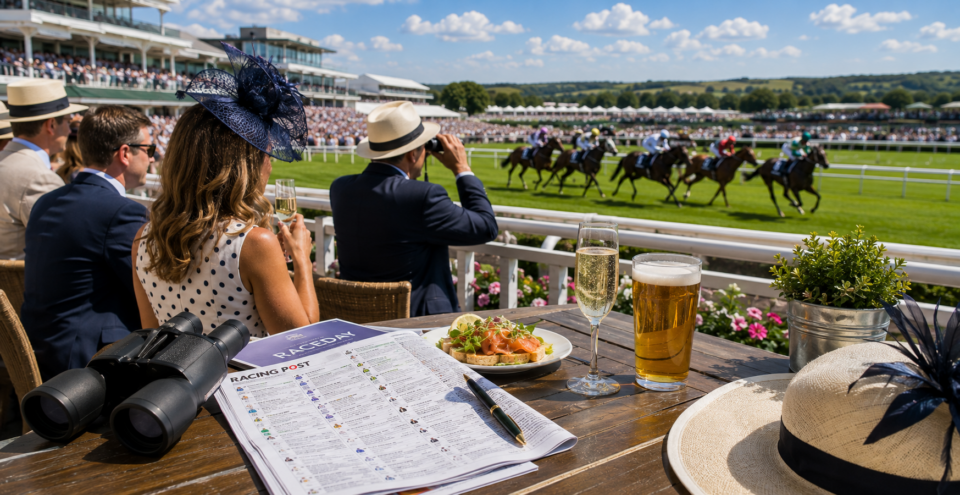
When the runners make their way onto the course, the atmosphere changes almost instantly.
Conversations pause.
Spectators drift towards the rails.
Binoculars are raised.
Eyes turn towards the starting stalls or the tape.
Then, within moments, the race is underway.
Watching live racing reveals details television cannot always capture.
The sound of galloping hooves grows steadily louder as the field approaches.
You become aware of the extraordinary acceleration as horses quicken entering the home straight.
The cheers of thousands of spectators rise almost instinctively as the finish approaches.
It is a sensory experience that rarely loses its appeal, however many meetings you attend.
After the Winning Post
One of the pleasures of racecourse visits is that the story rarely ends at the finish line.
Winning horses return to the unsaddling enclosure where connections celebrate together.
Owners pose for photographs.
Jockeys discuss the race with trainers.
Spectators debate tactics, performances and what might happen next time.
Within minutes attention begins shifting towards the following race.
The rhythm repeats itself throughout the afternoon.
Every contest creates fresh anticipation.
Every winner becomes part of the day’s unfolding story.
Every Season Offers Something Different
There is no perfect time to visit a British racecourse.
Spring brings optimism as major festivals herald the arrival of championship racing.
Summer offers long evenings, colourful crowds and some of the sport’s most prestigious Flat meetings.
Autumn provides spectacular scenery as attention gradually turns towards the jump season.
Winter reveals National Hunt racing at its most demanding, with testing conditions producing stirring displays of stamina and courage.
Many enthusiasts discover they enjoy every season for different reasons.
The racecourses themselves evolve throughout the year, changing character alongside the landscape that surrounds them.
A venue visited in July can feel completely different when experienced again on a crisp December afternoon.
Memories That Last Long After the Racing
Ask someone why they continue returning to the races year after year and the answer rarely centres on statistics or results.
Instead, they remember moments.
The first time they stood beside the finishing post as the field thundered past.
A spectacular sunset beyond the grandstand.
A favourite horse winning against the odds.
Lunch shared with family overlooking the course.
The excitement of introducing a friend to racing for the very first time.
These memories explain why racecourses occupy such a special place within British sport.
They are not simply venues where races happen.
They are places where traditions are passed from one generation to the next, where communities gather and where unforgettable experiences are created.
Whether your first visit is to a world-famous venue such as Ascot or Cheltenham, or to a welcoming local course discovered through one of our regional guides, chances are it will not be your last.
Because once you’ve experienced a day at the races, you quickly realise something.
The horses may bring you there.
The racecourse itself is often what brings you back.
Chapter 10: The Best British Racecourses For Every Type of Visitor
One of the questions newcomers ask most often is surprisingly simple.
“Which is the best racecourse?”
The honest answer is that there isn’t one.
Britain’s 59 racecourses have never competed to become identical. They each offer something different, whether that’s world-famous festivals, spectacular scenery, family-friendly facilities, historic architecture or a wonderfully relaxed afternoon in the countryside.
The “best” racecourse depends entirely upon the experience you’re looking for.
Some visitors dream of attending one of racing’s greatest occasions, surrounded by tens of thousands of fellow spectators. Others would rather spend a peaceful summer afternoon discovering a smaller venue where the atmosphere feels intimate and welcoming.
Fortunately, Britain’s racing calendar offers both.
Whether you’re planning your very first race meeting or searching for somewhere new to explore, there is a racecourse perfectly suited to the occasion.
Best for First-Time Visitors
If you’ve never been racing before, your first experience should be enjoyable rather than overwhelming.
Many newcomers assume they need to begin with one of the sport’s biggest festivals. While there is certainly nothing wrong with that, smaller meetings often provide a gentler introduction.
Courses such as Newbury, York, Haydock Park, Doncaster and Newmarket combine excellent facilities with spacious layouts that make it easy to explore the racecourse at your own pace. Clear viewing areas, welcoming atmospheres and well-organised enclosures help first-time visitors feel comfortable throughout the day.
Equally rewarding are many of Britain’s smaller racecourses.
Venues such as Ludlow, Ripon, Worcester, Salisbury and Perth offer friendly environments where visitors can get surprisingly close to the action without navigating enormous crowds.
For many people, these quieter meetings become the beginning of a lifelong interest in racing.
Best for History Lovers
Some racecourses feel like open-air museums.
Every grandstand, weighing room and finishing post tells part of British racing’s story.
No destination captures that heritage more completely than Newmarket, where racing has shaped the town itself for centuries. Walking through Newmarket is rather like stepping into the living history of the sport, with training yards, gallops and racing landmarks appearing around almost every corner.
Epsom, home of The Derby, remains one of Flat racing’s most historic venues, while Doncaster continues to host the St Leger, the oldest of Britain’s five Classics.
Then there is Chester, where racing unfolds beneath ancient Roman walls at one of Britain’s oldest racecourses, and Ascot, whose long association with the Royal Family has created traditions recognised throughout the world.
For visitors fascinated by sporting history, these racecourses offer far more than an afternoon’s entertainment.
They provide a journey through centuries of British culture.
Best for Spectacular Scenery
Few sports enjoy surroundings as beautiful as horse racing.
Many British racecourses occupy landscapes that seem almost perfectly designed for a day outdoors.
High on the Sussex Downs, Goodwood offers panoramic views stretching across rolling countryside towards the coast.
Nearby, Brighton overlooks the English Channel, creating one of the country’s most distinctive sporting settings.
In Scotland, Perth, Kelso and Hamilton Park each enjoy attractive locations surrounded by some of Britain’s finest scenery, while Cartmel, nestled within the southern Lake District, provides a backdrop that feels almost impossibly picturesque.
Even racecourses situated close to major cities often surprise visitors with the amount of open countryside surrounding them.
The setting becomes part of the day’s experience.
Best for Families
Many people still imagine racecourses as destinations aimed solely at dedicated racing enthusiasts.
The reality is rather different.
Throughout the year, numerous venues organise family racedays featuring children’s entertainment, educational activities, fairground attractions and opportunities to meet retired racehorses.
Courses including York, Newbury, Ascot, Haydock Park, Chepstow and Musselburgh regularly stage events designed to appeal to visitors of all ages.
Large open spaces allow children to move around comfortably, while restaurants, cafés and picnic areas ensure families can enjoy an entire day together without feeling confined.
For younger visitors especially, the excitement of seeing Thoroughbreds at close quarters often becomes the highlight of the day.
Best for Food and Hospitality
Although racing remains the central attraction, Britain’s leading racecourses have become renowned for exceptional hospitality.
Restaurants overlooking the finishing straight, private boxes, afternoon teas and fine dining experiences now form an important part of many race meetings.
Ascot has earned an international reputation for luxury hospitality, particularly during Royal Ascot.
York, Goodwood, Sandown Park and Newmarket also offer outstanding dining experiences that rival many of Britain’s leading sporting venues.
Meanwhile, smaller racecourses frequently showcase local produce and regional specialities, giving visitors an opportunity to experience the character of the surrounding area as well as the racing itself.
For many guests, lunch overlooking the course becomes just as memorable as the feature race.
Best for Major Racing Festivals
If atmosphere is your priority, Britain’s biggest festivals are impossible to ignore.
The Cheltenham Festival transforms jump racing into a four-day celebration unlike anything else in the sport.
Royal Ascot combines world-class Flat racing with pageantry recognised across the globe.
The Grand National Festival at Aintree attracts enormous crowds every spring, while Glorious Goodwood, the Ebor Festival at York and the St Leger Festival at Doncaster each possess traditions stretching back generations.
Tickets for these meetings are understandably in high demand.
The atmosphere, however, more than justifies the anticipation.
Every race feels significant.
Every winner becomes part of racing history.
Best Hidden Gems
Some of Britain’s most rewarding racecourses receive relatively little national attention.
That is often part of their appeal.
Spend an afternoon at Ripon, Hexham, Ludlow, Market Rasen, Ffos Las, Bangor-on-Dee or Worcester, and you’ll quickly discover welcoming communities, excellent viewing and wonderfully relaxed atmospheres.
These venues remind visitors that British racing thrives not only because of its major festivals but because of the dozens of local racecourses that continue serving their communities year after year.
Many experienced racegoers count these quieter courses among their favourites.
Best All-Weather Racecourses
When winter weather disrupts turf racing, Britain’s all-weather venues ensure the sport continues.
Each offers something slightly different.
Kempton Park has become synonymous with high-quality winter racing, particularly during the festive period.
Lingfield Park combines all-weather and turf racing within the same venue, while Newcastle introduced its sweeping Tapeta surface to complement an already established racing tradition.
Wolverhampton, Southwell and Chelmsford City each contribute important fixtures throughout the year, ensuring owners, trainers and racegoers continue enjoying competitive racing regardless of the season.
These courses have become essential parts of Britain’s racing landscape rather than simply alternatives when conditions deteriorate.
Finding the Right Racecourse Near You
One of the greatest advantages of British racing is its accessibility.
With racecourses spread throughout England, Scotland and Wales, there is a good chance an excellent day at the races is closer than you think.
Whether you live in a major city or a rural county, exploring your nearest venue is often the easiest way to discover the sport.
If you’re planning your first visit, our Racecourses Near Me guide can help identify the closest options.
Sometimes the perfect racecourse isn’t the most famous one.
It’s simply the one waiting just down the road.
There Is No Wrong Choice
Perhaps the greatest strength of British racing is that every racecourse offers something memorable.
Some impress through history.
Others through scenery.
Some through world-famous festivals.
Others through warmth, character and local tradition.
Visit enough racecourses, and you will almost certainly discover a favourite.
It may be the grandeur of Ascot, the drama of Cheltenham, the history of Newmarket or the charm of Cartmel.
Equally, it may be a racecourse few people outside its region have ever visited.
That is the beauty of Britain’s racing landscape.
Every course has a personality.
Every course has a story.
And every visit offers the opportunity to discover another reason why Britain’s racecourses remain among the most admired sporting venues anywhere in the world.
Chapter 11: Frequently Asked Questions About British Racecourses
Even after learning about Britain’s racing landscape, many first-time visitors still have practical questions before planning a day at the races.
Here are answers to some of the questions asked most often.
How many racecourses are there in Britain?
Britain is home to 59 racecourses, spread across England, Scotland and Wales.
Each offers something different. Some host world-famous festivals watched by millions around the world, while others stage smaller meetings that have become cherished traditions within their local communities.
Together they form one of the most varied sporting landscapes anywhere in the world.
Which is the oldest racecourse in Britain?
Several racecourses have histories stretching back centuries, making the answer less straightforward than it first appears.
Chester Racecourse is widely recognised as the world’s oldest racecourse still in operation, with racing taking place there since the early sixteenth century.
Other historic venues such as Newmarket, Doncaster and York have also played central roles in the development of British racing for hundreds of years.
Which racecourse stages the Grand National?
The Grand National is run at Aintree Racecourse, near Liverpool.
It is Britain’s most famous steeplechase and one of the world’s best-known horse races, attracting enormous crowds every spring and millions of television viewers across the globe.
Where is The Derby run?
The Derby takes place at Epsom Downs Racecourse in Surrey.
First run in 1780, it has become one of the most prestigious Flat races in the world and has inspired countless other Derby races across Europe, North America, Australia and beyond.
Which racecourse hosts Royal Ascot?
Royal Ascot is held at Ascot Racecourse in Berkshire.
The meeting has been closely associated with the Royal Family since the eighteenth century and remains one of Britain’s most celebrated sporting and social occasions.
Which racecourse is considered the home of British racing?
Most people regard Newmarket as the headquarters of British racing.
The town is home to numerous training yards, historic gallops, leading breeders and two famous racecourses, making it one of the most important centres of the sport anywhere in the world.
Which is Britain’s most scenic racecourse?
Every racegoer has their own favourite, but several venues regularly appear near the top of the list.
Goodwood is renowned for its spectacular position on the South Downs, while Brighton enjoys panoramic sea views across the English Channel.
Many visitors also praise the beautiful settings at Cartmel, Perth, Kelso, Bath and Hamilton Park.
Part of the pleasure lies in discovering your own favourite.
Are all British racecourses the same?
Not at all.
Every racecourse has its own layout, history and character.
Some are left-handed, others right-handed.
Some are flat and galloping, while others feature steep gradients, sharp bends or pronounced cambers.
Many racecourses stage Flat racing, others specialise in National Hunt racing and several host both throughout the year.
These differences are one of the reasons British racing remains so fascinating.
Can you visit racecourses outside racedays?
Many racecourses welcome visitors throughout the year.
Several offer guided tours, conferences, exhibitions, restaurants, golf courses, concerts and other events when racing is not taking place.
Availability varies between venues, so it’s always worth checking individual racecourse information before travelling.
Which racecourse should I visit first?
There is no single correct answer.
If you want to experience one of racing’s biggest occasions, Ascot, Cheltenham, Aintree, York or Goodwood are outstanding choices.
If you prefer a quieter introduction, many smaller racecourses provide a wonderfully relaxed atmosphere while allowing visitors to enjoy the sport at their own pace.
Often, the best place to begin is simply your nearest racecourse.
Our Racecourses Near Me guide and regional pages can help you discover the closest venues, making it easy to plan your first day at the races.
Can I visit more than one racecourse?
Absolutely.
In fact, many racing enthusiasts make it a personal ambition to visit every racecourse in Britain.
Some complete the challenge over a few seasons.
Others spend decades gradually exploring the country, combining racing with visits to historic towns, national parks, coastal resorts and cities along the way.
It becomes far more than a sporting challenge.
It becomes a journey around Britain itself.
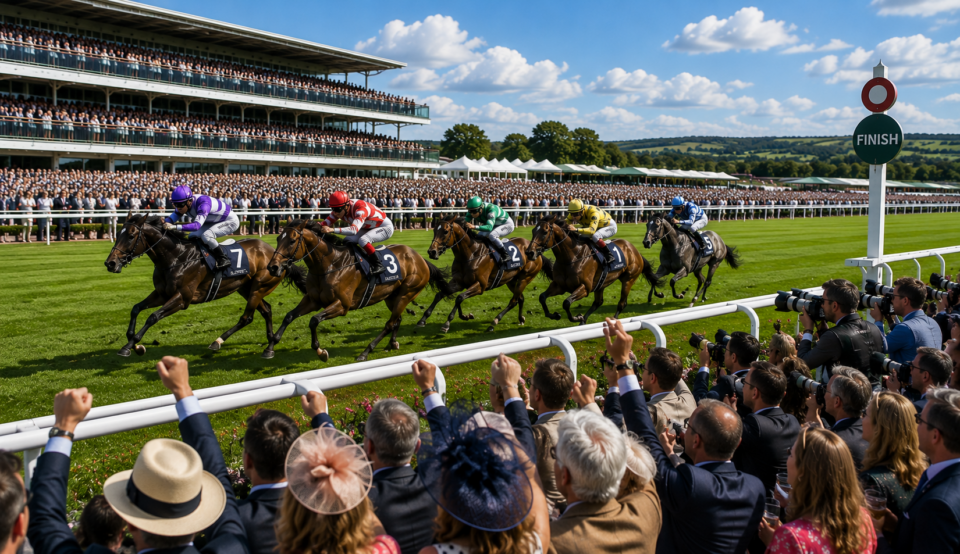
Chapter 12: Conclusion – Every Racecourse Has a Story Waiting to Be Discovered
There is a temptation to think of racecourses simply as places where horse races happen.
Spend time exploring Britain’s racing landscape, and that idea quickly disappears.
Every one of the country’s 59 racecourses has evolved differently.
Some occupy ancient common land where horses first raced centuries ago. Others sit within rolling countryside, beside dramatic coastlines or on the edge of thriving cities. Some have welcomed royalty for generations, while others remain proudly rooted in their local communities.
Each reflects the landscape around it.
Each tells a different story.
Together, they create one of the richest sporting networks anywhere in the world.
That diversity explains why Britain continues to produce racecourses unlike those found anywhere else.
You can stand beneath the Roman walls at Chester one weekend, watch champions tackle the famous hill at Cheltenham the next, admire the sweeping views from Goodwood, experience the pageantry of Ascot, witness history at Epsom, or discover a welcoming local venue where the atmosphere is every bit as memorable despite the crowds being much smaller.
Every visit offers something new.
Every course leaves a different impression.
Perhaps that is why so many people find themselves returning again and again.
Not simply to watch horse racing.
But to experience another place.
Another landscape.
Another tradition.
Another story.
For newcomers, Britain’s racecourses provide one of the finest introductions imaginable to horse racing.
For lifelong enthusiasts, they remain places of endless fascination, where familiar venues continue revealing new details with every visit.
Whether your ambition is to attend Royal Ascot, experience the unforgettable roar of the Cheltenham Festival, watch the Grand National at Aintree, explore the historic heart of Newmarket, or simply enjoy a summer afternoon at your nearest local course, the journey begins in exactly the same way.
Choose a racecourse.
Walk through the gates.
Listen as the crowd begins to gather.
Watch the horses make their way towards the parade ring.
Then look beyond the racing itself.
Notice the landscape.
The history.
The architecture.
The traditions.
The people.
Because that is where the real story begins.
After all, Britain’s greatest racecourse may not be the most famous one.
It may simply be the next one you visit.