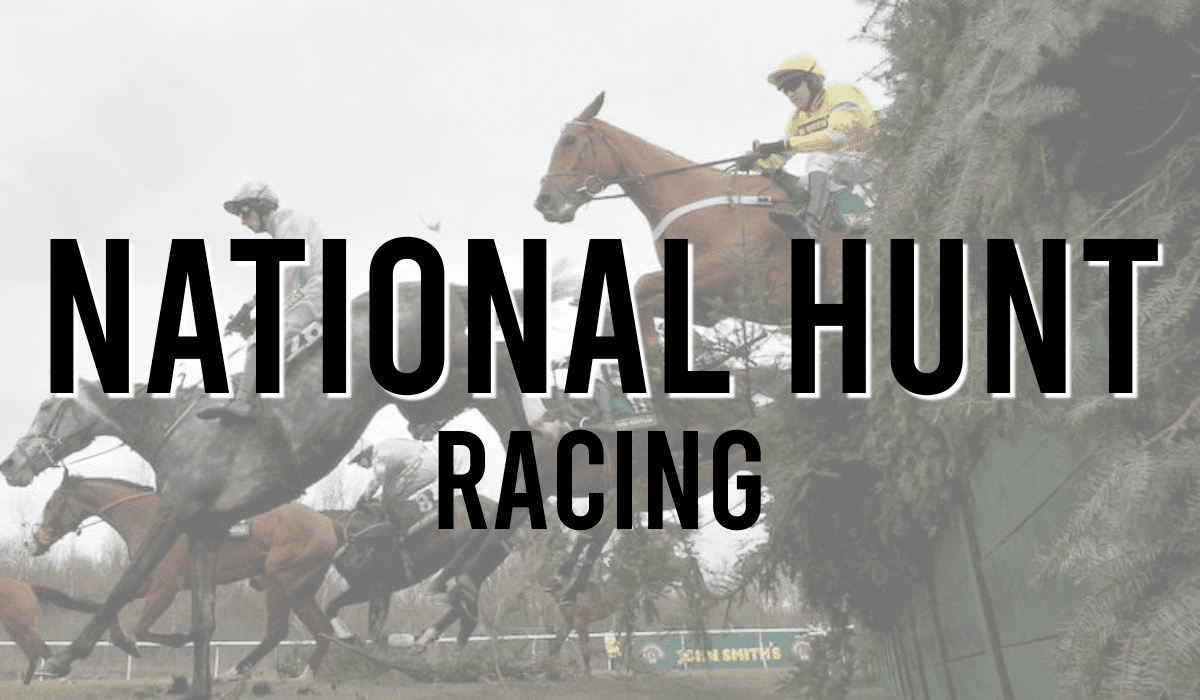
National Hunt racing is the jumping code of British horse racing, covering races over hurdles and fences alongside National Hunt Flat races, better known as bumpers.
It produces many of the sport’s best-known events. The Cheltenham Gold Cup, Grand National, Champion Hurdle, Queen Mother Champion Chase and King George VI Chase all belong to the National Hunt programme.
The main British Jump season gathers strength during autumn, runs through winter and reaches its championship period in spring. Jump racing continues through summer at selected courses, so the sport operates throughout the year rather than disappearing when the Flat season takes over.
British Racecourses also maintains a dedicated National Hunt jump season calendar alongside our current Jump Racing Fixtures 2027 page.
This page acts as the main National Hunt cornerstone for British Racecourses. It explains the different types of Jump races, race grades, major events, leading racecourses, Irish programme and the factors that matter when analysing a race.
National Hunt Racing at a Glance
| Feature | National Hunt Racing |
|---|---|
| Also known as | Jump racing |
| Main race types | Hurdles, chases and National Hunt Flat races |
| Main British season | Autumn to spring |
| Summer racing | Yes |
| Highest level | Grade 1 |
| Main championship festival | Cheltenham Festival |
| Most famous individual race | Grand National |
| Major championship chase | Cheltenham Gold Cup |
| Obstacles | Hurdles and fences |
| Key analysis factors | Jumping, stamina, pace, ground and course suitability |
What Is National Hunt Racing?
National Hunt racing requires horses to maintain racing speed while negotiating obstacles.
That changes the way a race should be assessed.
A horse can lose momentum without falling. One awkward hurdle or fence may cost little, but a sequence of mistakes can force a jockey to use additional energy simply to recover position.
Jump races are also generally longer than Flat races. The combination of distance, obstacles and winter ground places a greater emphasis on stamina.
The strongest National Hunt horses therefore need more than speed. They must settle, conserve energy, jump efficiently and retain enough strength to perform when fatigue begins to affect both running and jumping.
Why Is It Called National Hunt Racing?
The term has its roots in hunting and early cross-country racing.
Early steeplechases were run across open countryside rather than modern enclosed racecourses. Riders raced between landmarks while crossing whatever natural obstacles stood in their way.
The word steeplechase developed because church steeples provided visible landmarks across the countryside.
Modern races are highly regulated and take place at established racecourses, but hurdles, fences and long-distance contests retain that connection with the sport’s origins.
The history also explains why steeplechasing became particularly associated with Britain and Ireland.
National Hunt Racing in Britain
National Hunt racing is most prominent during the colder months.
As the main turf Flat season winds down, Jump racing begins to dominate the weekend programme. Major meetings at Cheltenham, Aintree, Newbury, Haydock, Ascot, Kempton, Sandown and other courses build towards the spring festivals.
Horses also tend to remain in training for longer than many Flat horses. Familiar names can therefore return season after season and develop a strong public following.
The history of the Hennessy Gold Cup winners provides a good example, with many leading staying chasers appearing repeatedly across several campaigns.
National Hunt racing is not restricted to the biggest venues. Courses throughout Britain provide the novice races, handicaps and lower-level contests from which future championship performers emerge.
What Is the Difference Between Jump Racing and National Hunt Racing?
In British racing, the two descriptions are usually interchangeable.
National Hunt racing is the traditional name for the code.
Jump racing describes the same branch of the sport more directly.
Both generally cover hurdle races, steeplechases and National Hunt Flat races.
Our Flat Racing vs Jump Racing page compares Britain’s two principal racing codes in more detail.
The Main Types of National Hunt Race
Race type should be established before assessing individual runners.
Hurdle Races
Hurdles are smaller obstacles than steeplechase fences.
They allow horses to maintain more momentum through a race, although efficient technique still matters. A hurdler that consistently gets too close to its obstacles or jumps too high can surrender valuable ground.
Many horses begin their Jump careers over hurdles before progressing to fences.
Others remain specialist hurdlers.
The Champion Hurdle and Stayers’ Hurdle provide championship targets at very different distances.
Steeplechases
Steeplechases are normally shortened to chases.
Horses jump larger fences, placing greater emphasis on experience, technique and rhythm.
Fence configuration also differs between racecourses. A horse can be an accomplished jumper without being equally effective around every track.
Major British chases include the Cheltenham Gold Cup, Queen Mother Champion Chase, King George VI Chase, Tingle Creek Chase and Betfair Chase.
National Hunt Flat Races
National Hunt Flat races contain no obstacles.
They are commonly called bumpers and are primarily used to give prospective Jump horses racecourse experience before they begin hurdling.
Bumpers can provide the first public evidence that a young horse has the ability to develop into a high-class hurdler or chaser.
Classification of Jump Races
National Hunt racing contains several different types of contest.
- Maiden races are for horses that meet specified non-winning conditions.
- Novice races cater for horses at a defined stage of their hurdle or chase careers.
- Handicap races allocate different weights according to official ratings.
- Graded races contain the highest levels of National Hunt competition.
Race conditions matter as much as the headline grade. Two races within the same broad classification can demand very different qualities.
Novice Jump Races
The term novice has a specific racing meaning.
It should not simply be read as another word for an inexperienced horse.
Eligibility is determined by the rules governing previous wins and the point at which a horse entered that discipline.
The best novice races can contain future champions.
The Supreme Novices’ Hurdle introduces many of the strongest young hurdlers at Cheltenham, while the Arkle Chase provides a championship target for novice chasers over two miles.
Our novice races in horse racing page explains the terminology further.
What Are the Best National Hunt Races?
British Jump racing has a large championship and handicap programme, but several races sit above the rest in recognition or importance.
Some of the major events include:
- Cheltenham Gold Cup
- King George VI Chase at Kempton
- Grand National
- Champion Hurdle
- Queen Mother Champion Chase
- Welsh Grand National
- Stayers’ Hurdle
- Bet365 Gold Cup
- Arkle Chase
- Coral Gold Cup
Different races test different qualities, so describing one horse as simply a better National Hunt horse than another is often too crude. Distance, ground, obstacle type and racecourse can radically alter their relative chances.
When Is the National Hunt Season?
The British National Hunt campaign operates across the year.
Summer Jumping
Summer jumping broadly covers the warmer section of the calendar.
The programme includes hurdle races, steeplechases and bumpers at courses such as Market Rasen, Worcester, Stratford, Newton Abbot, Cartmel and Uttoxeter.
Sounder ground can place greater emphasis on speed and fluent jumping, although actual conditions depend on the weather.
The Summer Plate at Market Rasen is one of the more recognisable summer Jump races.
Winter Jumping
The strongest part of the campaign generally runs from autumn into spring.
Softer ground becomes more common, leading horses return to action and the programme builds through Christmas towards Cheltenham and Aintree.
Our guide to horse racing going explains the main ground descriptions.
Trainer plans become particularly important during this period. BR’s horse racing trainers section covers many of the leading British and Irish yards.
Major British Grade 1 Jump Races
Grade 1 represents the highest level of British National Hunt racing.
BR has a dedicated Grade 1 Jump Races page containing the wider programme.
Important races already connected to this National Hunt guide include:
- Betfair Chase at Haydock
- Fighting Fifth Hurdle at Newcastle
- Henry VIII Novices’ Chase at Sandown
- Tingle Creek Chase at Sandown
- Long Walk Hurdle at Ascot
- Kauto Star Novices’ Chase at Kempton
- Christmas Hurdle at Kempton
- King George VI Chase at Kempton
- Finale Juvenile Hurdle at Chepstow
- Challow Novices’ Hurdle at Newbury
- Tolworth Novices’ Hurdle at Sandown
- Clarence House Chase at Ascot
- Scilly Isles Novices’ Chase at Sandown
- Ascot Chase at Ascot
- Supreme Novices’ Hurdle at Cheltenham
- Arkle Chase at Cheltenham
- Champion Hurdle at Cheltenham
- Mares’ Hurdle at Cheltenham
- Baring Bingham Novices’ Hurdle at Cheltenham
- Brown Advisory Novices’ Chase at Cheltenham
- Queen Mother Champion Chase at Cheltenham
- Champion Bumper at Cheltenham
- Golden Miller Novices’ Chase at Cheltenham
- Ryanair Chase at Cheltenham
- Stayers’ Hurdle at Cheltenham
- Triumph Hurdle at Cheltenham
- Albert Bartlett Novices’ Hurdle at Cheltenham
- Cheltenham Gold Cup at Cheltenham
- Manifesto Novices’ Chase at Aintree
- Anniversary 4-Y-O Novices’ Hurdle at Aintree
- Aintree Hurdle at Aintree
- Top Novices’ Hurdle at Aintree
- Mildmay Novices’ Chase at Aintree
- Melling Chase at Aintree
- Sefton Novices’ Hurdle at Aintree
- Mersey Novices’ Hurdle at Aintree
- Maghull Novices’ Chase at Aintree
- Liverpool Hurdle at Aintree
- Celebration Chase at Sandown
This is one reason the National Hunt page is important as a cornerstone. It gives Google and readers a logical route from the broad subject of Jump racing into individual championship races.
British Grade 2 Jump Racing
Grade 2 sits directly below Grade 1.
Some Grade 2 races are targets in their own right, while others act as trials for larger championship races.
Our Grade 2 Jump Races page covers the full programme.
Linked races and courses from the existing National Hunt article include:
- Old Roan Chase at Aintree
- West Yorkshire Hurdle at Wetherby
- Charlie Hall Chase at Wetherby
- Haldon Gold Cup at Exeter
- Rising Stars Novices’ Chase at Wincanton
- Elite Hurdle at Wincanton
- Hyde Novices’ Hurdle at Cheltenham
- Sharp Novices’ Hurdle at Cheltenham
- Ascot Hurdle at Ascot
- Long Distance Hurdle at Newbury
- Winter Novices’ Hurdle at Sandown
- Many Clouds Chase at Aintree
- Peterborough Chase at Huntingdon
- Bristol Novices’ Hurdle at Cheltenham
- December Novices’ Chase at Doncaster
- Summit Juvenile Hurdle at Doncaster
- International Hurdle at Cheltenham
- Noel Novices’ Chase at Ascot
- Kennel Gate Novices’ Hurdle at Ascot
- Wayward Lad Novices’ Chase at Kempton
- Dipper Novices’ Chase at Cheltenham
- Relkeel Hurdle at Cheltenham
- Hampton Novices’ Chase at Warwick
- Leamington Novices’ Hurdle at Warwick
- Silviniaco Conti Chase at Kempton
- Warfield Mares’ Hurdle at Ascot
- Altcar Novices’ Chase at Haydock
- Champion Hurdle Trial at Haydock
- Peter Marsh Chase at Haydock
- Finesse Juvenile Novices’ Hurdle at Cheltenham
- Cotswold Chase at Cheltenham
- Classic Novices’ Hurdle at Cheltenham
- Cleeve Hurdle at Cheltenham
- River Don Novices’ Hurdle at Doncaster
- Lightning Novices’ Chase at Doncaster
- Yorkshire Rose Mares’ Hurdle at Doncaster
- Towton Novices’ Chase at Wetherby
- Denman Chase at Newbury
- Game Spirit Chase at Newbury
- Jane Seymour Mares’ Novices’ Hurdle at Sandown
- Reynoldstown Novices’ Chase at Ascot
- Rendlesham Hurdle at Haydock
- Prestige Novices’ Hurdle at Haydock
- Kingwell Hurdle at Wincanton
- Adonis Juvenile Novices’ Hurdle at Kempton
- Pendil Novices’ Chase at Kempton
- Dovecote Novices’ Hurdle at Kempton
- National Spirit Hurdle at Fontwell
- Premier Kelso Hurdle at Kelso
- Cross Country Chase at Cheltenham
- Mares’ Novices’ Hurdle at Cheltenham
- Liberthine Mares’ Chase at Cheltenham
- Nickel Coin Mares’ Standard Open NH Flat Race at Aintree
- Scottish Champion Hurdle at Ayr
The value of these races is not uniform. A Grade 2 containing an established champion on seasonal reappearance can be stronger than another race carrying exactly the same formal classification.
Premier Handicaps and the Former Grade 3 Classification
Older BR material and historical records refer to Britain’s leading Jump handicaps as Grade 3 races.
That terminology has changed.
The British races that previously carried Grade 3 status are now generally described as Premier Handicaps.
Our existing Grade 3 Jump Races page remains useful because bettors will continue to encounter the old description in historical form and search queries.
Important linked races from the existing page include:
- Summer Plate at Market Rasen
- Bateaux London Gold Cup at Ascot
- Paddy Power Gold Cup at Cheltenham
- Greatwood Hurdle at Cheltenham
- Coral Gold Cup at Newbury
- Becher Chase at Aintree
- Betfair Exchange Trophy Handicap Hurdle at Ascot
- Rowland Meyrick Handicap Chase at Wetherby
- Welsh Grand National at Chepstow
- Heroes Handicap Hurdle at Sandown
- Grand National Trial at Haydock
- Greatwood Gold Cup at Newbury
- Imperial Cup at Sandown
- Ultima Handicap Chase at Cheltenham
- Fred Winter Juvenile Handicap Hurdle at Cheltenham
- Coral Cup at Cheltenham
- Grand Annual Chase at Cheltenham
- Pertemps Final at Cheltenham
- Festival Plate at Cheltenham
- County Handicap Hurdle at Cheltenham
- Red Rum Handicap Chase at Aintree
- Topham Chase at Aintree
- Grand National at Aintree
- Scottish Grand National at Ayr
- Bet365 Gold Cup at Sandown
Handicap analysis is different from assessing a championship Grade 1 because the central question changes.
The best horse in the race is not necessarily the horse best treated by the weights.
Handicaps and Official Ratings
The handicapper assigns a rating designed to represent a horse’s ability.
Ratings are then used to determine the weight carried in handicap races.
Higher-rated horses usually carry more weight than lower-rated rivals, subject to the race conditions.
A bettor therefore needs to ask whether the handicap mark accurately reflects the horse’s current ability.
An improving horse can sometimes progress more rapidly than its rating.
Another horse may become well handicapped after its mark falls, particularly if it returns to conditions that suit it.
Our horse racing handicap ratings guide explains the system in more detail.
Irish National Hunt Racing
British and Irish Jump racing are closely connected.
Leading Irish horses regularly travel to Cheltenham and Aintree, while British runners compete at Punchestown and other major Irish meetings.
The strength of Irish Jump racing means British form cannot be analysed in isolation.
The major Irish Grade 1 programme includes races at Leopardstown, Fairyhouse, Naas and Punchestown.
Existing BR race links retained from the original National Hunt page include:
- Punchestown Champion Novice Hurdle
- Punchestown Champion Chase
- Punchestown Champion Novice Chase
- Punchestown Gold Cup
- Punchestown Champion INH Flat Race
- Punchestown Champion Stayers Hurdle
- Punchestown Champion Hurdle
- Punchestown Champion Four-Year-Old Hurdle
Other major Irish races include the Irish Gold Cup, Irish Champion Hurdle, Savills Chase, Morgiana Hurdle, John Durkan Chase, Hatton’s Grace Hurdle and the leading novice contests staged across the winter.
Major National Hunt Festivals
Several meetings give the Jump season its structure.
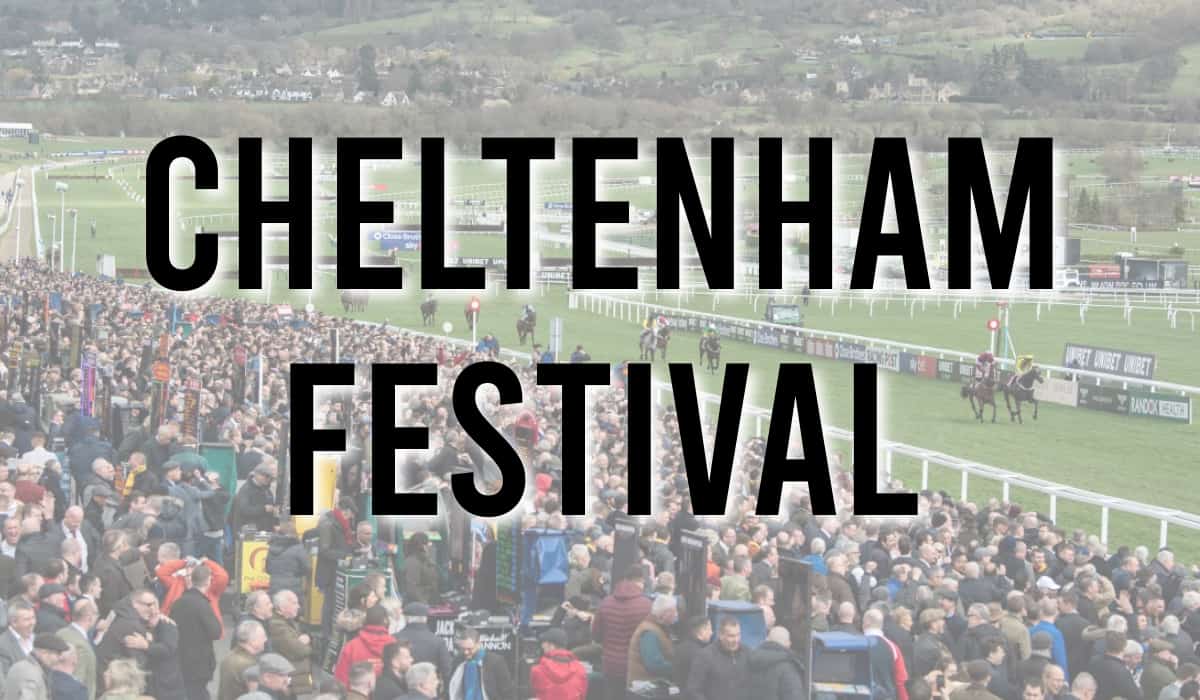
Cheltenham Festival
The Cheltenham Festival is the championship meeting of British National Hunt racing.
Four days bring together leading British and Irish hurdlers and chasers.
The principal championship races include the Champion Hurdle, Queen Mother Champion Chase, Ryanair Chase, Stayers’ Hurdle and Cheltenham Gold Cup.
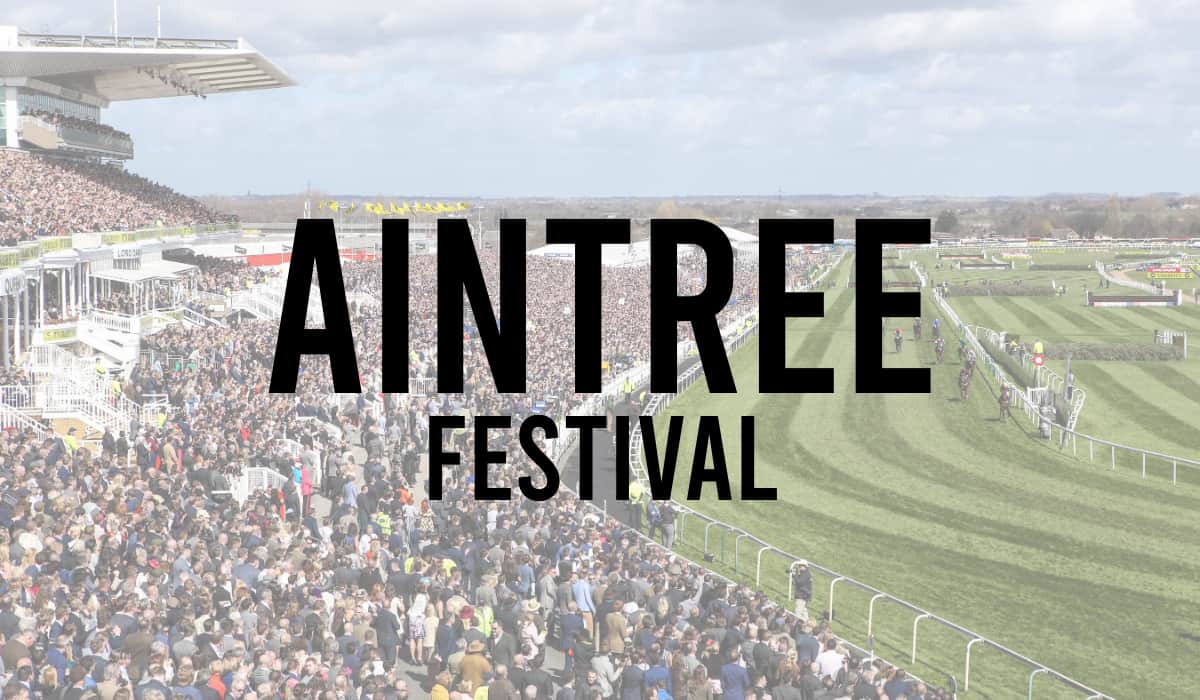
Aintree Festival
The Aintree Festival follows Cheltenham and is headed by the Grand National.
Aintree’s Mildmay course provides a different test from Cheltenham. The flatter configuration can change the relative strengths of horses that met only a few weeks earlier.
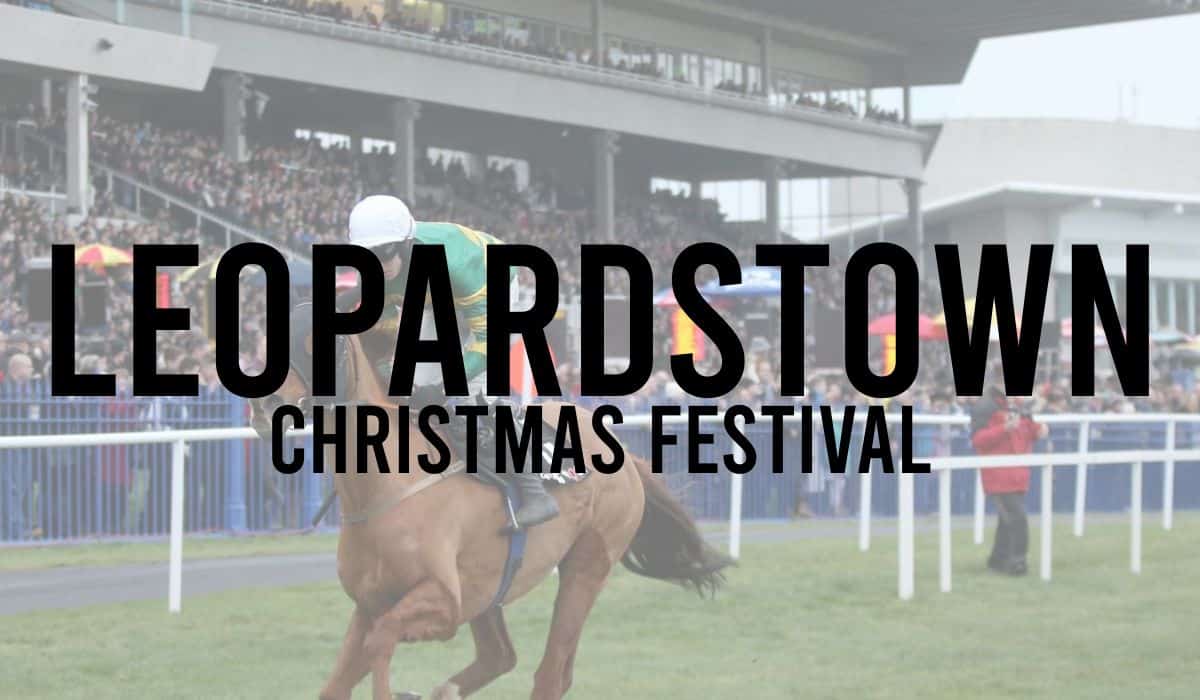
Leopardstown Christmas Festival
The Leopardstown Christmas Festival is one of the strongest periods of the Irish Jump calendar.
Its races shape the championship picture before the Dublin Racing Festival and Cheltenham.
Kempton Christmas Festival
The Christmas Festival at Kempton contains the King George VI Chase, Christmas Hurdle and other important races across the festive period.
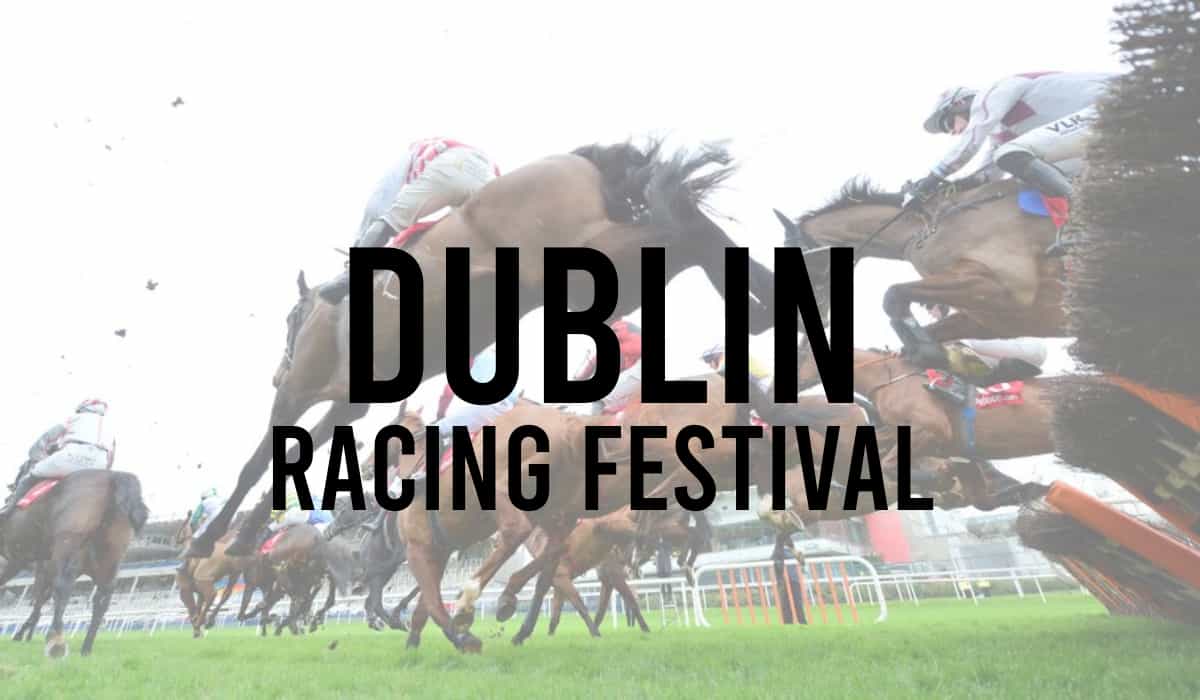
Dublin Racing Festival
The Dublin Racing Festival has become one of the most important preparation meetings for Cheltenham.
Its Grade 1 programme regularly brings together many of Ireland’s leading novice and established Jump horses.
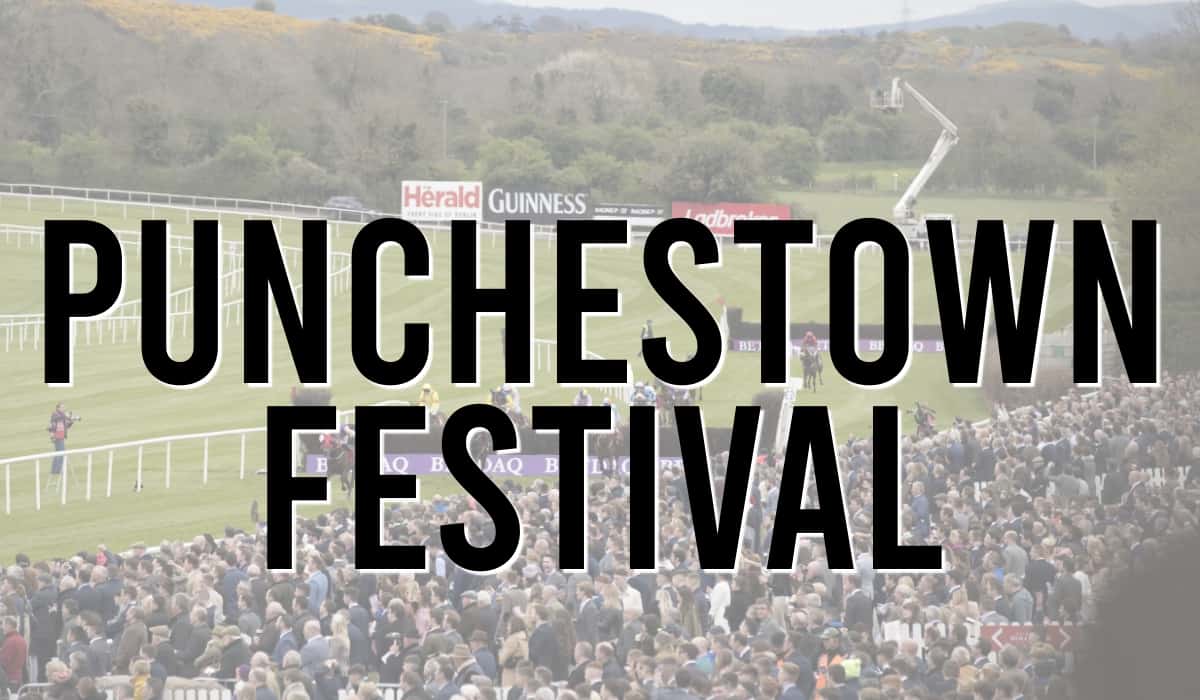
Punchestown Festival
The Punchestown Festival closes the elite Irish Jump season and gives Cheltenham and Aintree runners another opportunity to compete at championship level.
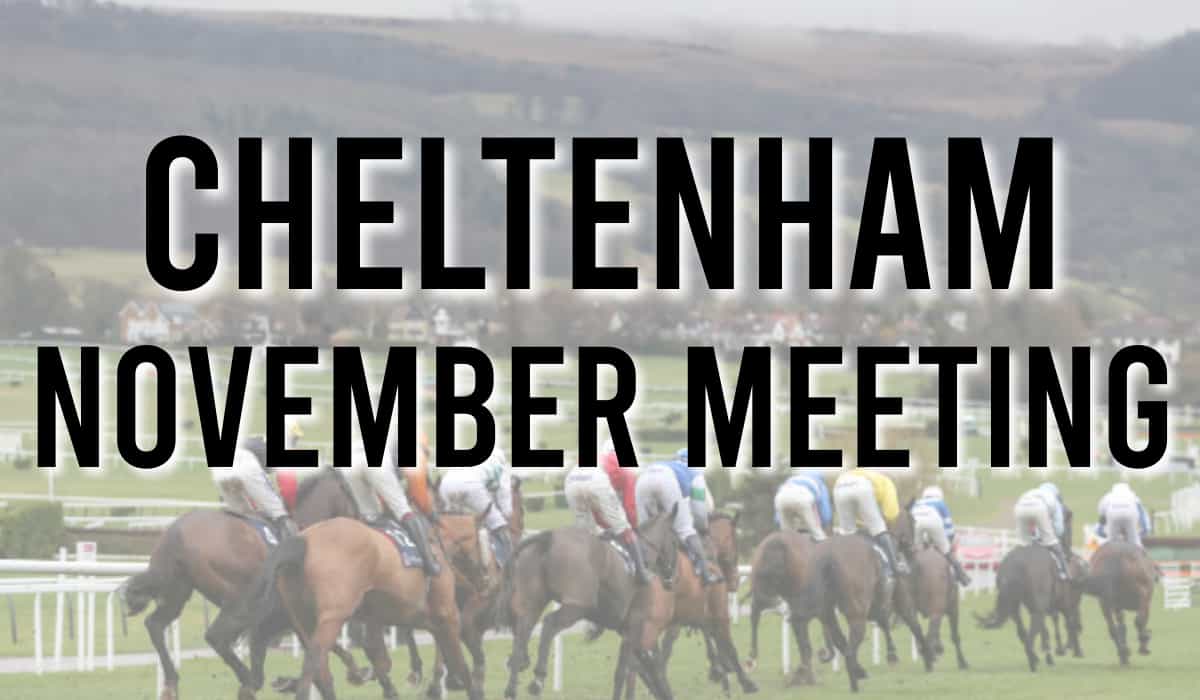
Cheltenham November Meeting
The Cheltenham November Meeting provides an important early-season examination at the course that will stage the Festival several months later.
The Cheltenham Festival
Cheltenham’s importance is partly explained by the variety of tests it provides.
Champion Hurdle
The Champion Hurdle tests the leading two-mile hurdlers.
Speed is vital, but efficient jumping prevents a horse from surrendering momentum at championship pace.
Queen Mother Champion Chase
The Queen Mother Champion Chase is the Festival’s leading two-mile chase.
Fast, accurate fencing can decide the race.
Ryanair Chase
The Ryanair Chase provides a championship target over an intermediate distance.
Stayers’ Hurdle
The Stayers’ Hurdle tests the leading long-distance hurdlers.
Cheltenham Gold Cup
The Cheltenham Gold Cup is the Festival’s leading staying chase.
Horses must handle the distance, undulations, pace and fences before facing Cheltenham’s uphill finish.
Grand National and Aintree
The Grand National is Britain’s most recognisable Jump race.
It places unusual demands on a horse because of the distance, large field and distinctive course.
A horse proven in conventional staying chases is not automatically suited to Aintree.
Position, rhythm and jumping efficiency become especially important when a large field approaches the fences together.
The wider Aintree Festival contains high-quality Grade 1 and handicap racing, making it one of the most important meetings in the National Hunt calendar even without the Grand National.
King George VI Chase
The King George VI Chase is the centrepiece of Boxing Day racing at Kempton.
Kempton’s relatively sharp right-handed circuit creates a different test from Cheltenham.
Fluent jumping and the ability to maintain position can be particularly valuable.
This provides a useful example of why Grade 1 form should always be considered in context.
Tingle Creek Chase
The Tingle Creek Chase at Sandown is one of Britain’s principal two-mile chases.
Sandown’s fences and uphill finish create a demanding test despite the relatively short distance.
The race frequently shapes the Champion Chase picture.
Betfair Chase
The Betfair Chase at Haydock is an important early-season race for staying chasers.
Late-autumn ground can turn it into a strong stamina test.
That illustrates why the official distance should never be considered independently of the surface.
Important British Jump Racecourses
Britain contains a wide range of National Hunt courses.
The existing article linked directly to several of them, and those relationships are retained here:
Other important venues include Cheltenham, Aintree, Newbury, Ascot, Kempton, Wetherby, Exeter, Wincanton, Doncaster and Huntingdon.
Our UK racecourses directory provides a wider route into individual course guides.
Why Racecourse Configuration Matters
Jump courses differ in more than location.
Cheltenham is undulating.
Kempton is sharper.
Sandown contains stiff fences and a demanding finish.
Aintree’s Mildmay course is comparatively flat.
Cartmel has an unusual tight configuration.
Newbury is more galloping.
Those differences can alter how effectively a horse travels and jumps.
Previous course form therefore has genuine analytical value when there is a logical reason behind it.
Our course and distance winners page explains how to use that evidence without treating it as an automatic positive.
Why the Going Matters
Ground conditions affect the amount of energy required to complete a Jump race.
Soft and heavy surfaces often increase the stamina requirement.
That can change the relevance of previous form dramatically.
A horse beaten on heavy ground may improve substantially when returning to a sounder surface without having improved in ability.
The conditions simply suit it better.
Distance and Stamina
National Hunt distances range from relatively sharp two-mile races to extended staying contests.
Two miles places greater emphasis on speed.
Intermediate distances require a balance.
Three-mile and longer races usually make stamina increasingly important.
Race pace still changes the nature of the test.
A slowly run staying race can become a sprint from the final few obstacles.
A strongly run race over a shorter distance on deep ground can become highly attritional.
Pace in National Hunt Racing
Pace analysis is as relevant over jumps as it is on the Flat.
Some horses prefer to lead.
Others race prominently.
Some need to settle behind rivals.
Those preferences interact.
Several habitual front-runners can push each other into an unsustainable pace.
A race with no natural leader can become tactical.
Jumping adds another layer. A fluent front-runner can pressure its rivals at each obstacle, while a horse making repeated minor mistakes can lose its position without ever appearing to make one dramatic error.
Our horse racing pace maps page explains how to build a likely race shape.
How to Read National Hunt Form
The finishing position is only the starting point.
Review what happened during the race.
Did the horse make jumping errors?
Did it race too freely?
Was it positioned badly?
Did it face an unsuitable pace?
Did the ground work against it?
Was it carrying significantly more weight?
Did it weaken because of stamina, or because it had used too much energy earlier?
A horse beaten a significant distance can sometimes have performed better than the result suggests.
Another horse can win after receiving an unusually favourable tactical setup.
Our race replay analysis and form lines guides help assess those situations.
Jumping Ability
Describing a horse simply as a good or bad jumper can hide useful information.
Some horses jump better when able to lead.
Others prefer following another horse.
A horse can jump fluently at a comfortable pace and struggle once pressure increases.
Fatigue also matters.
A chaser may jump accurately for most of a race before making mistakes when its energy begins to run out.
The important question is therefore not only whether mistakes happened, but why and when they occurred.
Trainers and Jockeys
Trainer and jockey information should complement analysis rather than replace it.
Certain trainers excel with novices.
Others repeatedly target specific meetings.
Some jockeys have extensive experience around difficult courses or with particular horses.
BR’s horse racing trainers page provides further information on leading yards.
The presence of a famous trainer or jockey is still only one piece of evidence.
How to Analyse a National Hunt Race
A practical order is:
- Identify the race type and conditions.
- Check the distance and going.
- Assess recent form in context.
- Review jumping efficiency and previous mistakes.
- Map the likely pace.
- Consider the racecourse configuration.
- Assess handicap marks and weights where relevant.
- Check trainer and jockey factors.
- Compare your assessment with the available price.
The last stage matters because identifying the likeliest winner is different from identifying a worthwhile bet.
Betting on National Hunt Racing
Jump racing produces ordinary race-day markets, ante-post markets and large festival betting markets.
Bookmakers can differ considerably in their racing proposition.
Relevant differences include:
- Win prices
- Each-way terms
- Extra places
- Best Odds Guaranteed
- Non-Runner No Bet
- Ante-post rules
- Live streaming
- Withdrawal options
- Payment methods
BR’s Best Horse Racing Betting Sites page compares bookmakers specifically for racing.
The existing National Hunt article also linked readers towards horse racing free bets, fast withdrawal betting sites, horse racing betting apps and betting shops near me. Those commercial pathways remain useful where they match the reader’s intent.
No betting method removes the uncertainty inherent in horse racing.
Analysis should improve the quality of a decision, not create false certainty.
Following the 2027 Jump Season
The initial British calendar contains 556 Jump fixtures for 2027.
Our Jump Racing Fixtures 2027 page organises them month by month.
The calendar is useful for more than finding a meeting.
Following the programme as a connected season allows readers to understand how horses progress.
A novice might begin at a smaller autumn fixture, move into Graded company and then reach Cheltenham.
A staying chaser might use Haydock, Kempton or Newbury before tackling the Gold Cup.
Individual results make more sense when viewed as part of that progression.
National Hunt Racing FAQs
Is National Hunt racing the same as Jump racing?
Yes. In Britain, National Hunt racing and Jump racing are commonly used to describe the same racing code.
What are the main types of National Hunt race?
The principal categories are hurdle races, steeplechases and National Hunt Flat races.
What is a chase?
A chase is a steeplechase run over fences.
What is a hurdle race?
A hurdle race is a Jump race in which horses clear smaller obstacles called hurdles.
What is a bumper?
A bumper is a National Hunt Flat race. It contains no obstacles and is commonly used to introduce prospective Jump horses to racing.
What is the highest grade in National Hunt racing?
Grade 1 is the highest level.
Are Grade 3 Jump races still called Grade 3 races in Britain?
The leading British handicaps previously described as Grade 3 races are now generally known as Premier Handicaps. The older term remains common in historical records.
What is the biggest National Hunt festival?
The Cheltenham Festival is Britain’s principal championship Jump meeting.
What is the most famous Jump race?
The Grand National at Aintree is the best-known British Jump race among the wider public.
What is the biggest championship chase?
The Cheltenham Gold Cup is one of the defining championship races of the National Hunt season.
Does Jump racing take place during summer?
Yes. Britain has an established summer Jump programme.
Why is ground important in National Hunt racing?
Long distances and obstacles can magnify the effect of testing going, increasing the amount of energy a horse needs to complete a race.
Does course form matter over jumps?
Yes, when there is a logical reason behind it. Courses vary in gradients, turns, handedness, fence arrangement and finishing straights.
Where can I find the Jump racing calendar?
BR maintains its National Hunt jump season calendar as well as the current Jump Racing Fixtures 2027 page.
Summary
National Hunt racing combines speed, stamina, jumping and tactics across hurdles, steeplechases and National Hunt Flat races.
Cheltenham and Aintree provide the season’s best-known festivals, while the Champion Hurdle, Queen Mother Champion Chase, Stayers’ Hurdle, Cheltenham Gold Cup, Grand National, King George VI Chase, Tingle Creek and Betfair Chase give the British programme much of its structure.
The wider National Hunt calendar is much deeper. Grade 1 and Grade 2 contests, Premier Handicaps, novice races and ordinary handicaps create the route through which horses develop from beginners into championship performers.
Irish racing is inseparable from that picture. Leopardstown, Punchestown and the wider Irish programme repeatedly produce horses that shape Cheltenham and Aintree.
For race analysis, the strongest approach is to consider the complete test facing the horse: race type, distance, ground, pace, jumping, course, weight and price.
A National Hunt horse has to keep doing all of those things efficiently as fatigue increases. That is what gives Jump racing its distinctive character.
Jump Racing Festivals
Here are the biggest horse racing festivals for National Hunt jump racing.