September is a major month in the British Flat racing season, with the St Leger, Sprint Cup, Ayr Gold Cup and Cambridgeshire among its headline races.
Doncaster stages the St Leger Festival, Haydock hosts its Group 1 sprint, Ayr holds Scotland’s biggest Flat meeting and Newmarket returns to the Rowley Mile for the Cambridgeshire Meeting.
The month also marks a gradual change in the racing calendar. High-class Flat racing remains the main focus, but jump fixtures become more frequent as autumn approaches.
Below is the complete British horse racing fixture list for September 2026, followed by the races and meetings that define the month.
For information on individual tracks, see our UK Racecourses guide.
UK Horse Racing Fixtures September 2026
| Date | Racecourse | Code | Surface |
|---|---|---|---|
| 1/9/2026 | Ripon | Flat | Turf |
| 1/9/2026 | Lingfield Park | Flat | Turf |
| 1/9/2026 | Brighton | Flat | Turf |
| 1/9/2026 | Wolverhampton | Flat | AWT |
| 2/9/2026 | Bath | Flat | Turf |
| 2/9/2026 | Newcastle | Flat | AWT |
| 2/9/2026 | Kempton Park | Flat | AWT |
| 2/9/2026 | Hamilton Park | Flat | Turf |
| 3/9/2026 | Newcastle | Flat | AWT |
| 3/9/2026 | Haydock Park | Flat | Turf |
| 3/9/2026 | Salisbury | Flat | Turf |
| 3/9/2026 | Southwell | Flat | AWT |
| 3/9/2026 | Lingfield Park | Flat | AWT |
| 4/9/2026 | Bangor-on-Dee | Jump | Turf |
| 4/9/2026 | Ascot | Flat | Turf |
| 4/9/2026 | Haydock Park | Flat | Turf |
| 4/9/2026 | Worcester | Jump | Turf |
| 4/9/2026 | Kempton Park | Flat | AWT |
| 5/9/2026 | Ascot | Flat | Turf |
| 5/9/2026 | Haydock Park | Flat | Turf |
| 5/9/2026 | Kempton Park | Flat | AWT |
| 5/9/2026 | Stratford-on-Avon | Jump | Turf |
| 5/9/2026 | Thirsk | Flat | Turf |
| 5/9/2026 | Newcastle | Flat | AWT |
| 6/9/2026 | Fontwell Park | Jump | Turf |
| 6/9/2026 | York | Flat | Turf |
| 7/9/2026 | Windsor | Flat | Turf |
| 7/9/2026 | Newton Abbot | Jump | Turf |
| 7/9/2026 | Perth | Jump | Turf |
| 7/9/2026 | Wolverhampton | Flat | AWT |
| 8/9/2026 | Goodwood | Flat | Turf |
| 8/9/2026 | Catterick Bridge | Flat | Turf |
| 8/9/2026 | Leicester | Flat | Turf |
| 8/9/2026 | Bangor-on-Dee | Jump | Turf |
| 9/9/2026 | Uttoxeter | Jump | Turf |
| 9/9/2026 | Carlisle | Flat | Turf |
| 9/9/2026 | Redcar | Flat | Turf |
| 9/9/2026 | Kempton Park | Flat | AWT |
| 10/9/2026 | Worcester | Jump | Turf |
| 10/9/2026 | Doncaster | Flat | Turf |
| 10/9/2026 | Epsom Downs | Flat | Turf |
| 10/9/2026 | Lingfield Park | Flat | AWT |
| 11/9/2026 | Chester | Flat | Turf |
| 11/9/2026 | Doncaster | Flat | Turf |
| 11/9/2026 | Sandown Park | Flat | Turf |
| 11/9/2026 | Salisbury | Flat | Turf |
| 12/9/2026 | Lingfield Park | Flat | AWT |
| 12/9/2026 | Bath | Flat | Turf |
| 12/9/2026 | Chester | Flat | Turf |
| 12/9/2026 | Doncaster | Flat | Turf |
| 12/9/2026 | Musselburgh | Flat | Turf |
| 13/9/2026 | Doncaster | Flat | Turf |
| 13/9/2026 | Bath | Flat | Turf |
| 14/9/2026 | Sedgefield | Jump | Turf |
| 14/9/2026 | Thirsk | Flat | Turf |
| 14/9/2026 | Windsor | Flat | Turf |
| 14/9/2026 | Kempton Park | Flat | AWT |
| 15/9/2026 | Uttoxeter | Jump | Turf |
| 15/9/2026 | Redcar | Flat | Turf |
| 15/9/2026 | Yarmouth | Flat | Turf |
| 15/9/2026 | Wolverhampton | Flat | AWT |
| 16/9/2026 | Beverley | Flat | Turf |
| 16/9/2026 | Sandown Park | Flat | Turf |
| 16/9/2026 | Yarmouth | Flat | Turf |
| 16/9/2026 | Kelso | Jump | Turf |
| 17/9/2026 | Pontefract | Flat | Turf |
| 17/9/2026 | Yarmouth | Flat | Turf |
| 17/9/2026 | Ayr | Flat | Turf |
| 17/9/2026 | Chelmsford City | Flat | AWT |
| 18/9/2026 | Newbury | Flat | Turf |
| 18/9/2026 | Newton Abbot | Jump | Turf |
| 18/9/2026 | Ayr | Flat | Turf |
| 18/9/2026 | Wolverhampton | Flat | AWT |
| 19/9/2026 | Chester | Flat | Turf |
| 19/9/2026 | Newbury | Flat | Turf |
| 19/9/2026 | Newmarket | Flat | Turf |
| 19/9/2026 | Ayr | Flat | Turf |
| 19/9/2026 | Newcastle | Flat | AWT |
| 20/9/2026 | Hamilton Park | Flat | Turf |
| 20/9/2026 | Plumpton | Jump | Turf |
| 21/9/2026 | Ffos Las | Flat | Turf |
| 21/9/2026 | Hamilton Park | Flat | Turf |
| 21/9/2026 | Leicester | Flat | Turf |
| 21/9/2026 | Wolverhampton | Flat | AWT |
| 22/9/2026 | Fontwell Park | Jump | Turf |
| 22/9/2026 | Beverley | Flat | Turf |
| 22/9/2026 | Warwick | Jump | Turf |
| 22/9/2026 | Southwell | Flat | AWT |
| 23/9/2026 | Goodwood | Flat | Turf |
| 23/9/2026 | Perth | Jump | Turf |
| 23/9/2026 | Redcar | Flat | Turf |
| 23/9/2026 | Kempton Park | Flat | AWT |
| 24/9/2026 | Newmarket | Flat | Turf |
| 24/9/2026 | Perth | Jump | Turf |
| 24/9/2026 | Pontefract | Flat | Turf |
| 24/9/2026 | Chelmsford City | Flat | AWT |
| 25/9/2026 | Haydock Park | Flat | Turf |
| 25/9/2026 | Newmarket | Flat | Turf |
| 25/9/2026 | Worcester | Jump | Turf |
| 25/9/2026 | Newcastle | Flat | AWT |
| 26/9/2026 | Haydock Park | Flat | Turf |
| 26/9/2026 | Market Rasen | Jump | Turf |
| 26/9/2026 | Newmarket | Flat | Turf |
| 26/9/2026 | Ripon | Flat | Turf |
| 26/9/2026 | Southwell | Flat | AWT |
| 27/9/2026 | Epsom Downs | Flat | Turf |
| 27/9/2026 | Ffos Las | Flat | Turf |
| 28/9/2026 | Brighton | Flat | Turf |
| 28/9/2026 | Hamilton Park | Flat | Turf |
| 28/9/2026 | Newton Abbot | Jump | Turf |
| 28/9/2026 | Wolverhampton | Flat | AWT |
| 29/9/2026 | Bath | Flat | Turf |
| 29/9/2026 | Sedgefield | Jump | Turf |
| 29/9/2026 | Ayr | Flat | Turf |
| 29/9/2026 | Wolverhampton | Flat | AWT |
| 30/9/2026 | Musselburgh | Flat | Turf |
| 30/9/2026 | Catterick Bridge | Flat | Turf |
| 30/9/2026 | Warwick | Jump | Turf |
| 30/9/2026 | Kempton Park | Flat | AWT |
For the wider programme, our 2026 horse racing fixtures page covers the complete British calendar.
Biggest Horse Racing Meetings in September 2026
September has four particularly important British Flat racing focal points.
Haydock stages the Sprint Cup at the beginning of the month. Doncaster then holds the four-day St Leger Festival, followed by Ayr’s Gold Cup meeting and Newmarket’s Cambridgeshire Meeting.
They cover very different parts of the Flat racing programme.
The Sprint Cup tests the leading six-furlong horses. The St Leger is the final Classic of the season. The Ayr Gold Cup is one of Britain’s major sprint handicaps, while the Cambridgeshire Meeting combines important juvenile Group races with one of the season’s most competitive handicaps.
Sprint Cup at Haydock – 5 September 2026
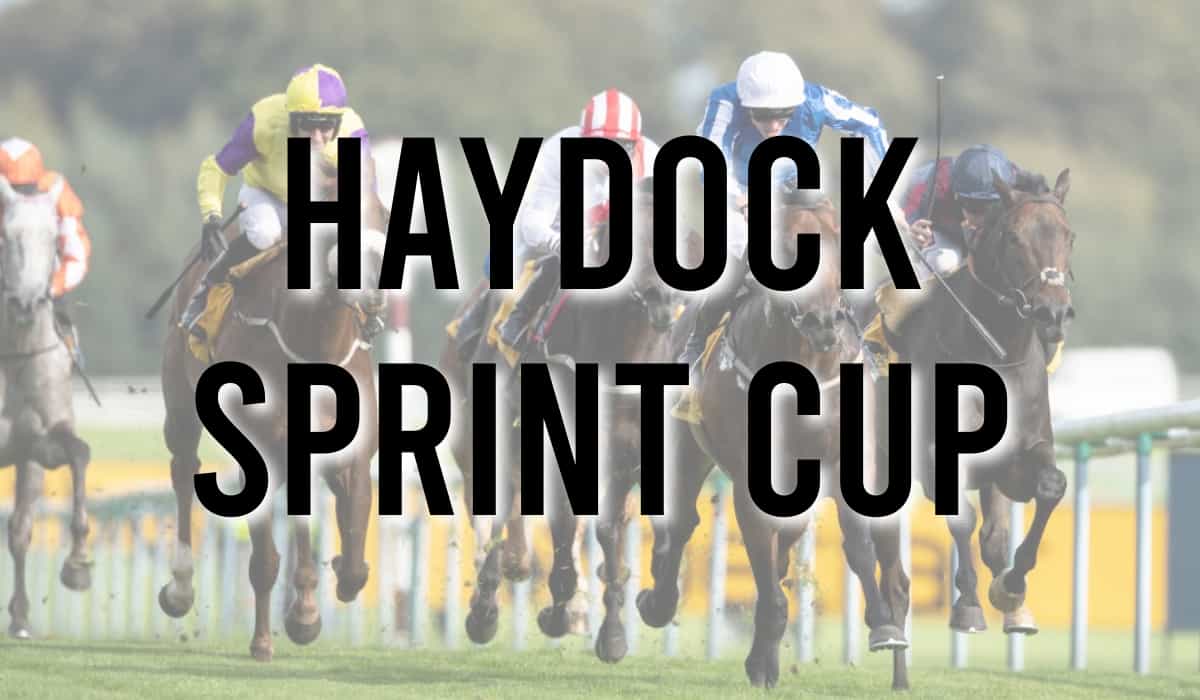
The Sprint Cup takes place at Haydock Park over six furlongs.
It is a Group 1 contest for leading sprinters and forms one of the major races in the British sprint programme.
The 2026 Sprint Cup took place on Saturday 5 September.
Six-furlong races at this level require sustained speed rather than the explosive five-furlong pace associated with the shortest sprints.
Previous form in major races such as the July Cup can provide useful evidence, but going is particularly important at Haydock.
The track can produce very different conditions according to the weather.
That means a horse’s established ability should be considered alongside its effectiveness on the prevailing ground.
Why Pace Matters in Major Sprint Races
Large sprint fields can develop differently according to the location of the early speed.
A horse’s stall number is only one part of the assessment.
If several habitual front-runners are concentrated on one side of the track, that group may race at a different tempo from horses on the opposite side.
This is why draw statistics should not be used without considering pace.
Our horse racing draw and pace bias pages explain how the two factors interact.
St Leger Festival – 10 to 13 September 2026
The St Leger Festival took place at Doncaster Racecourse from Thursday 10 to Sunday 13 September 2026.
The meeting contained four days of racing:
- Thursday 10 September: Ladies Day, featuring the May Hill Stakes and Park Hill Stakes.
- Friday 11 September: Gents Day, headed by the Doncaster Cup.
- Saturday 12 September: St Leger Day and the 250th running of the St Leger Stakes.
- Sunday 13 September: The closing day of the festival.
The 2026 meeting carried additional historical significance because the St Leger was staged for the 250th time.
The race was first run in 1776 and is the oldest of Britain’s five Classics.
St Leger Stakes
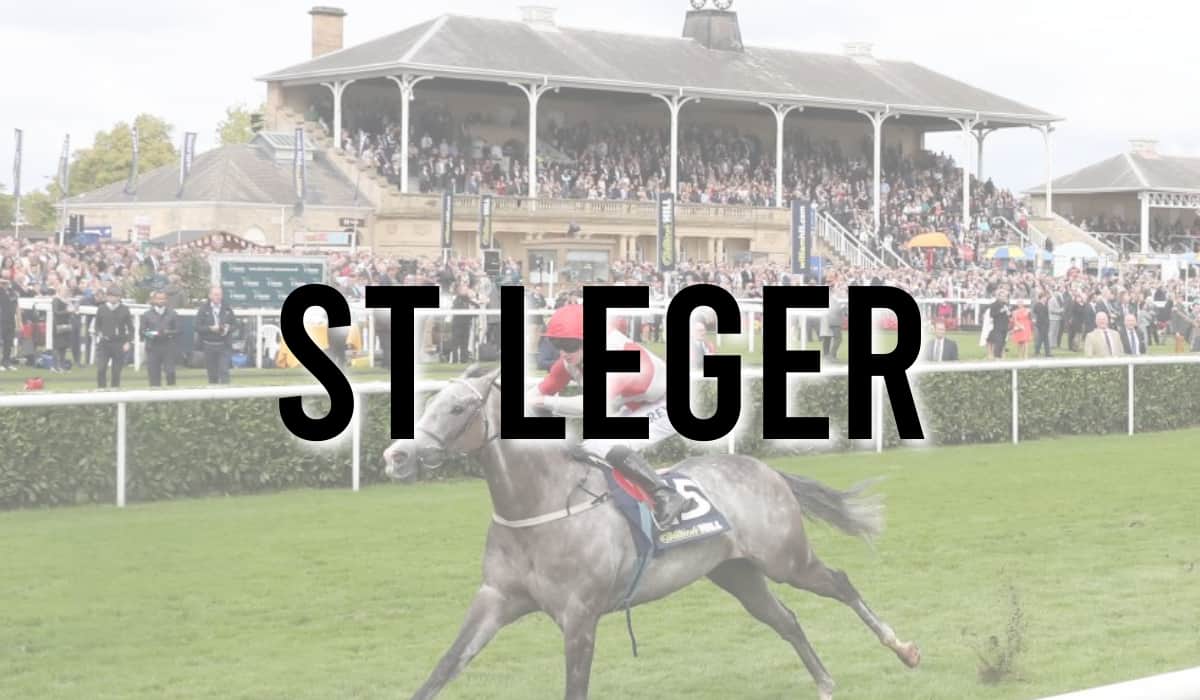
The St Leger is the final and longest of the five British Classics.
It is restricted to three-year-olds and is run over approximately one mile and six and a half furlongs.
The extra distance makes it a very different examination from the 2,000 Guineas, 1,000 Guineas, Derby and Oaks.
Stamina is central to the race, but a St Leger horse still needs enough speed to maintain a competitive position.
That combination is why Derby and Oaks form can be particularly interesting when horses step up in distance later in the season.
Doncaster Cup
The Doncaster Cup is one of Britain’s established staying races.
It is run over an extended two miles and provides a very different test from the St Leger.
Established older stayers can compete, and form from the major staying races earlier in the season becomes relevant.
The ability to settle is particularly important over longer distances.
A horse that races too freely during the first part of a staying race can expend energy it needs in the closing stages.
May Hill Stakes
The May Hill Stakes is a Group 2 contest for two-year-old fillies over a mile.
Its timing makes it an important race for fillies beginning to establish themselves over longer juvenile distances.
The result can also provide clues for the Fillies’ Mile at Newmarket and the following year’s Classics.
Young horses can improve quickly at this stage of their careers, so the strength of the opposition and manner of performance often matter more than a simple sequence of finishing positions.
Park Hill Stakes
The Park Hill Stakes is a staying race for fillies and mares.
It is sometimes described as the fillies’ St Leger because it is staged over a similar extended distance at Doncaster.
The race gives three-year-old fillies the chance to meet older mares, adding another factor to the form assessment.
Proven stamina deserves particular attention because many runners will be competing over one of the longest distances they have encountered.
Flying Childers Stakes
The Flying Childers Stakes is a five-furlong race for two-year-olds during the St Leger Festival.
Juvenile sprinting form can change rapidly.
Some two-year-olds have already accumulated considerable racing experience by September, while others arrive after only a handful of starts.
Look at the level of opposition previously faced and whether the horse has continued improving rather than concentrating on win totals alone.
Champagne Stakes
The Champagne Stakes is another important two-year-old contest at Doncaster.
It is run over seven furlongs and provides an autumn test for colts progressing towards the major juvenile races later in the season.
Seven furlongs sits between sprinting and mile distances, making the race useful when assessing which horses may eventually stay a mile.
Ayr Gold Cup Meeting
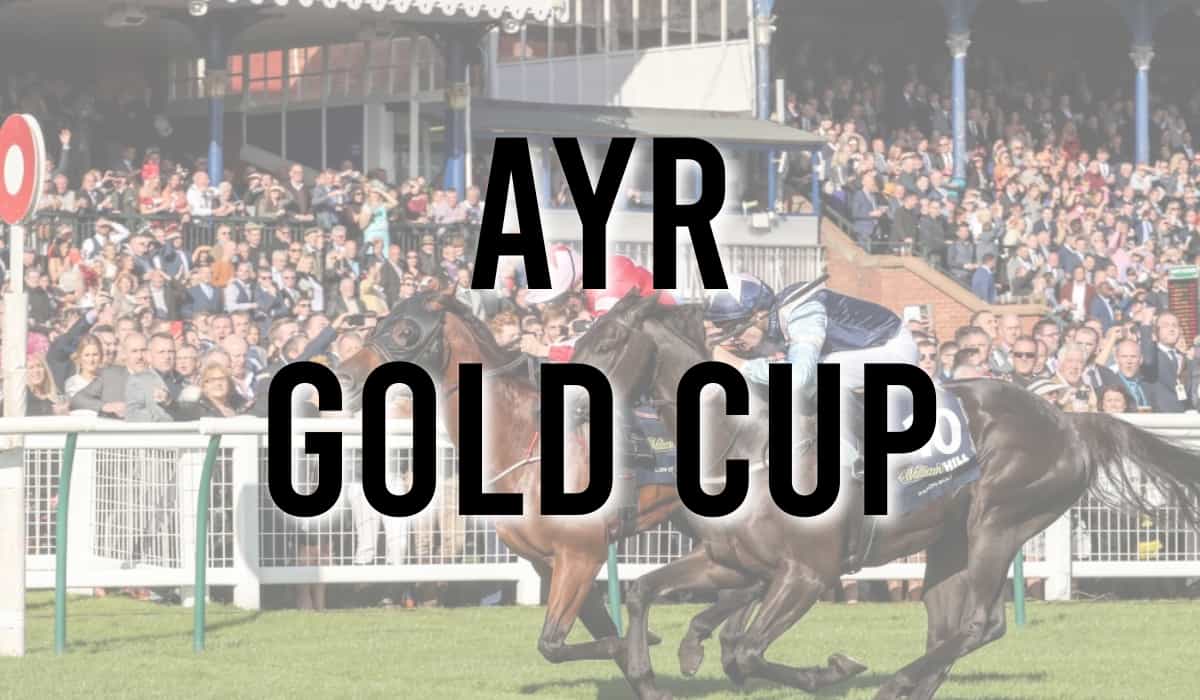
Ayr’s major Flat meeting takes place in the second half of September and is headed by the Ayr Gold Cup.
The meeting is especially important for sprint handicappers.
The Gold Cup is supported by the Silver Cup and Bronze Cup, giving the fixture a distinctive structure in which large fields of sprinters compete at different levels.
Ayr is a left-handed course with a long straight.
Large sprint fields place considerable emphasis on pace, positioning and how the field develops across the width of the track.
Ayr Gold Cup
The Ayr Gold Cup is run over six furlongs and is one of Britain’s best-known sprint handicaps.
Unlike the Sprint Cup at Haydock, it is not a Group 1 conditions race.
The horses carry different weights according to their handicap ratings and the race conditions.
That means bettors need to assess both ability and handicap position.
An improving sprinter can be particularly interesting if its current Official Rating has not fully caught up with its recent progress.
An older horse can also become competitive after falling in the weights, but only if there is evidence that it retains enough ability to exploit the lower rating.
Our guide to horse racing handicapping explains how the system works.
Ayr Gold Cup Draw and Pace
The Ayr Gold Cup is a good example of why draw analysis requires context.
Historic results can show patterns, but the fastest part of the track can change according to ground conditions.
The location of the early pace can also matter.
A runner drawn near several fast-starting horses may receive a better tow into the race than a horse starting from a theoretically favourable stall with little pace around it.
Use the evidence from earlier races at the meeting alongside the historical data.
Newmarket’s September Racing
Newmarket’s autumn programme begins to gather momentum in September as racing returns to the Rowley Mile.
The course is very different from Newmarket’s July Course.
Its long straight and uphill finish place an emphasis on balance, stamina and the ability to sustain an effort.
Newmarket stages Cesarewitch Trial Day on 19 September before the three-day Cambridgeshire Meeting from 24 to 26 September.
The meeting is then followed by the Sun Chariot and Future Champions Festival in October.
Our Newmarket Racecourse guide covers the two courses and their different characteristics.
Cambridgeshire Meeting – 24 to 26 September 2026
The Cambridgeshire Meeting takes place on Newmarket’s Rowley Mile from Thursday 24 to Saturday 26 September 2026.
It is one of the most important meetings of the autumn Flat programme.
The three days combine high-class juvenile races with the historic Cambridgeshire Handicap.
Friday features the Rockfel Stakes and Joel Stakes.
Saturday’s card contains the Cambridgeshire alongside the Cheveley Park Stakes, Middle Park Stakes and Royal Lodge Stakes.
That mixture gives the meeting significance for both the current season and the following year’s Classic generation.
Cambridgeshire Handicap – 26 September 2026
The Cambridgeshire Handicap is run over nine furlongs on the Rowley Mile.
It is the first half of the traditional Autumn Double, completed by the Cesarewitch in October.
The Cambridgeshire regularly attracts a large field.
Nine furlongs creates an unusual test. Horses need sufficient speed to maintain a position in a competitive handicap but enough stamina for Newmarket’s uphill finish.
The size of the field introduces further questions around pace and draw.
Finding a horse that appears well treated by the handicapper is important, but that alone is not enough. The runner still needs the race to develop in a way that allows it to use that advantage.
Cheveley Park Stakes
The Cheveley Park Stakes is a Group 1 race for two-year-old fillies over six furlongs.
It brings together leading juvenile sprinting form from the season.
September two-year-old races need to be assessed with development in mind.
A filly that was comfortably superior to a rival in July may not necessarily maintain the same advantage two months later because juveniles can progress at very different rates.
The Cheveley Park can also influence expectations for the following year’s 1,000 Guineas, although the Guineas requires horses to step up to a mile.
Middle Park Stakes
The Middle Park Stakes is the corresponding Group 1 six-furlong race for two-year-old colts.
It is another important test of the leading juvenile sprinters.
The strongest performers can later be considered for races over seven furlongs or a mile, but pedigree, racing style and how a horse finishes its races all need to be considered before assuming it will improve for further.
Royal Lodge Stakes
The Royal Lodge Stakes is a mile contest for two-year-olds at Newmarket.
The distance makes it particularly interesting for horses whose future may lie over Classic and middle distances.
A juvenile already capable of performing strongly over the Rowley Mile has demonstrated a different type of stamina from a specialist six-furlong runner.
That makes the Royal Lodge one of several autumn juvenile races worth revisiting when assessing the following season’s three-year-olds.
Rockfel Stakes
The Rockfel Stakes is a seven-furlong race for two-year-old fillies on the Friday of the Cambridgeshire Meeting.
It sits between the sprint distances and the mile of races such as the Fillies’ Mile.
The race can therefore help establish which fillies are ready to move into stronger autumn company and which may develop into milers as three-year-olds.
September and the Irish Racing Calendar
September also contains major races in Ireland.
These include the Irish Champion Stakes, Matron Stakes, Irish St Leger, Flying Five Stakes, Moyglare Stud Stakes and Vincent O’Brien National Stakes.
These races sit outside the British fixture table above, but they matter when assessing international form.
Leading British and Irish horses regularly compete across both countries, so form from Ireland can have a direct bearing on later British Group races.
Flat Racing Still Dominates September
September should not be described as the start of the jumps season.
British jump racing already takes place before September, including during the summer.
Flat racing remains central to the September programme, with major Group 1 races, the final Classic, high-value handicaps and important juvenile contests.
Jump racing does become more noticeable as autumn approaches.
Courses including Bangor-on-Dee, Worcester, Stratford, Fontwell, Newton Abbot, Perth, Uttoxeter, Sedgefield, Kelso, Warwick and Market Rasen all stage jump fixtures during the month.
The balance then shifts more strongly towards National Hunt racing during October and November.
What to Look for When Betting on September Flat Racing
September requires a slightly different approach from early-season Flat racing.
By this stage, most older horses have established form from the current campaign.
Three-year-olds have had time to develop beyond their spring Classic form, while two-year-olds may still be improving rapidly.
Useful factors include:
- Current Form: Assess the quality of recent performances, not simply finishing positions.
- Going: Autumn rainfall can change conditions quickly.
- Course Form: Doncaster, Ayr and Newmarket all present different tests.
- Distance: Several major September races require horses to tackle demanding or unfamiliar trips.
- Draw: Particularly relevant in large-field sprints and handicaps.
- Pace: Consider where the likely leaders are positioned.
- Handicap Mark: Essential in races such as the Ayr Gold Cup and Cambridgeshire.
- Campaign: Some horses have been racing since spring, while others have been deliberately kept fresh for autumn targets.
Our horse racing form page explains the figures, symbols and abbreviations found on a racecard.
Going in September
September conditions vary considerably.
Dry weather can maintain summer-like ground, while prolonged rain can produce much softer conditions.
This makes recent weather particularly important when analysing meetings.
Do not assume a horse will handle softer ground simply because it stays a longer distance.
Going suitability is a separate question.
Previous performances under comparable conditions provide stronger evidence than general assumptions about stamina.
Our horse racing going page explains the standard British descriptions.
Course and Distance Form
Course form can become particularly useful at distinctive tracks.
Doncaster is a broad, galloping course.
Newmarket’s Rowley Mile climbs towards the finish.
Ayr provides a different test for large sprint fields.
Previous success at the same course demonstrates that a horse has already coped with its configuration, although it should never override current form, class or handicap position.
Our course and distance form page explains the C, D and CD symbols used on racecards.
Reading Two-Year-Old Form
September contains several important juvenile races, including the May Hill, Champagne, Flying Childers, Cheveley Park, Middle Park, Royal Lodge and Rockfel.
Two-year-old form needs careful interpretation because young horses can improve rapidly.
Look at:
- Experience: How many times has the horse raced?
- Race Strength: What level of opposition has it faced?
- Distance: Is it stepping up or dropping back?
- Finishing Effort: Did it appear to have more to give?
- Subsequent Form: How have horses from its previous races performed?
- Pedigree: Does its breeding suggest the new distance should suit?
A lightly raced horse can improve significantly between starts, making juvenile races less predictable than races involving exposed older horses.
Handicap Analysis in September
The Ayr Gold Cup and Cambridgeshire are two of the month’s major handicap puzzles.
Start with the Official Rating.
Compare today’s mark with the ratings from which the horse has previously run well.
Then consider whether the horse is improving, declining or broadly maintaining its established level.
An improving horse may remain ahead of its mark.
An older horse falling down the weights may look attractively handicapped on historic form but still need to demonstrate that the underlying ability remains.
Our handicap ratings page explains how the system works.
September Racecards
Final declarations make detailed analysis possible.
A confirmed racecard provides the runners, jockeys, weights, draw and recent form needed to assess the race properly.
Our today’s racecards page covers the current day’s British racing, while tomorrow’s racecards helps readers prepare for the following day.
Check non-runners again before betting.
Withdrawals can alter the pace, draw dynamics and each-way terms of a race.
Horse Racing Tips in September
September combines major Group races with some of the strongest handicap betting races of the autumn.
British Racecourses publishes free horse racing tips across the British programme.
The price remains part of any betting decision.
The horse with the strongest chance of winning does not automatically represent the best bet if its odds are shorter than its realistic chance suggests.
Our betting odds section explains odds, returns and implied probability.
Betting on the Major September Meetings
The St Leger Festival, Ayr Gold Cup and Cambridgeshire Meeting generate large betting markets.
The type of race should determine how it is analysed.
The St Leger is a Classic in which stamina and class are central.
The Ayr Gold Cup and Cambridgeshire are handicaps where the relationship between ability and weight becomes much more important.
Juvenile Group races introduce a different problem because the horses are still developing.
Readers comparing bookmakers specifically for racing can use our best horse racing betting sites page.
For mobile-specific features, navigation and racing functionality, see our separate horse racing betting apps comparison.
Watching September Horse Racing
The biggest September meetings receive extensive television coverage.
ITV Racing broadcasts many of the major races, while Racing TV and Sky Sports Racing provide wider coverage of British racing.
Our Racing TV page covers its channels, racecourse coverage and subscription options.
Some bookmakers also provide qualifying customers with race streams. Our live horse racing streaming page explains the main options.
September Horse Racing FAQs
What are the biggest horse races in September?
Major British September races include the Sprint Cup, St Leger, Doncaster Cup, Ayr Gold Cup, Cambridgeshire, Cheveley Park Stakes and Middle Park Stakes.
When was the St Leger Festival 2026?
The 2026 St Leger Festival took place at Doncaster from Thursday 10 to Sunday 13 September.
When was the St Leger Stakes 2026?
The 250th running of the St Leger took place at Doncaster on Saturday 12 September 2026.
When was the Sprint Cup 2026?
The Sprint Cup took place at Haydock on Saturday 5 September 2026.
When is the Cambridgeshire Meeting 2026?
Newmarket’s Cambridgeshire Meeting takes place from Thursday 24 to Saturday 26 September 2026.
When is the Cambridgeshire Handicap 2026?
The Cambridgeshire Handicap takes place at Newmarket on Saturday 26 September 2026.
What are the biggest races at the Cambridgeshire Meeting?
The meeting includes the Cambridgeshire Handicap, Cheveley Park Stakes, Middle Park Stakes, Royal Lodge Stakes, Rockfel Stakes and Joel Stakes.
Is there jump racing in September?
Yes. Several British courses stage jump racing during September.
Jump racing does not begin in September, however. National Hunt fixtures already take place earlier in the year.
Is there all-weather racing in September?
Yes. Kempton, Newcastle, Southwell, Wolverhampton, Lingfield and Chelmsford are among the courses staging all-weather Flat racing during September 2026.
Is September part of the Flat racing season?
Yes. September remains an important part of the British turf Flat season and contains the final Classic of the year as well as several Group 1 races and major handicaps.
Why is the St Leger important?
The St Leger is the oldest and longest of Britain’s five Classics.
It was first staged in 1776, making the 2026 race its 250th running.
What is the Autumn Double?
The traditional Autumn Double consists of the Cambridgeshire and Cesarewitch at Newmarket.
The Cambridgeshire is run in September, with the longer Cesarewitch following in October.
Where can I find today’s September runners?
Our today’s racecards page covers the day’s runners and races.
Where can I find all 2026 racing dates?
Our 2026 horse racing fixtures page contains the complete British calendar.
Related September Horse Racing Pages
British Racecourses has dedicated guides covering many of the month’s major races:
- Royal Lodge Stakes
- Mill Reef Stakes
- Cheveley Park Stakes
- Middle Park Stakes
- Champagne Stakes
- Doncaster Cup
- Flying Childers Stakes
- May Hill Stakes
- Park Hill Stakes
- Solario Stakes
- Flying Five Stakes
- Irish St Leger
- Vincent O’Brien National Stakes
- Moyglare Stud Stakes
- Irish Champion Stakes
- Matron Stakes
- Cambridgeshire Handicap
- Ayr Gold Cup
- Haydock Sprint Cup
- St Leger
Summary
September is one of the strongest months in the closing stages of the British Flat season.
Haydock stages the Group 1 Sprint Cup at the beginning of the month before attention moves to Doncaster for the St Leger Festival. The 2026 meeting ran from 10 to 13 September and included the historic 250th St Leger.
Ayr’s major September meeting centres on the Ayr Gold Cup and its large-field sprint handicaps.
Newmarket then becomes the main focus at the end of the month. The Cambridgeshire Meeting runs from 24 to 26 September on the Rowley Mile, with the Cambridgeshire Handicap, Cheveley Park Stakes, Middle Park Stakes and other important autumn races.
Jump racing also becomes more prominent as autumn approaches, while all-weather Flat racing continues alongside the turf programme.
For the complete annual schedule, see our 2026 horse racing fixtures and horse racing festivals pages.
Related September Horse Racing Posts
Here are all of September’s horse racing-related posts:
-

Horse Racing in September 2026: UK Fixtures, Major Races & Meetings
-
Royal Lodge Stakes
-
Mill Reef Stakes
-
Cheveley Park Stakes
-
Middle Park Stakes
-
Champagne Stakes
-
Doncaster Cup
-
Flying Childers Stakes
-
May Hill Stakes
-
Park Hill Stakes
-
Solario Stakes
-
Flying Five Stakes
-
Irish St Leger
-
Vincent O’Brien National Stakes
-
Moyglare Stud Stakes
-
Irish Champion Stakes
-
Matron Stakes
-
Cambridgeshire Handicap
-
Ayr Gold Cup
-
Haydock Sprint Cup
-
St Leger