Jockey form shows how a rider has performed over a recent period.
The live table below tracks jockey results over the previous 14 days, helping identify riders currently winning races and regularly reaching the places.
Recent form can add useful information to a race analysis, particularly when a jockey is riding with confidence, knows the horse well or has a strong relationship with the trainer.
It still needs context.
A jockey with two winners from four rides has a 50% strike rate. Another with eight winners from 40 rides has a 20% strike rate. The first percentage is higher, but the second is supported by considerably more evidence.
The horse remains the starting point.
Hot Jockeys With Rides Today
Here are the top horse jockeys in form from the last 14 days.
An unexpected error occurred.The current form of the jockey is important, as having a pilot onboard your selected horse with plenty of confidence can hugely influence the outcome of a race. You can be riding the best horse in the race, but you still need an amazing jockey to steer the racehorse to win. Confidence is king.
Use the table to identify potentially interesting jockey bookings before examining the horse, race conditions and available price.
What Is an In-Form Jockey?
An in-form jockey is a rider producing strong recent results.
Wins provide the most obvious measure, but they are not the only useful indicator.
A jockey can ride well without winning.
They may repeatedly finish second or third on horses that were not expected to win, while another jockey can accumulate victories on short-priced favourites representing powerful stables.
Useful jockey-form analysis therefore considers:
- Number Of Rides: The size of the recent sample.
- Number Of Winners: How often the jockey has won.
- Strike Rate: Winners expressed as a percentage of rides.
- Placed Rides: How regularly horses are running competitively.
- Quality Of Mounts: The standard of horses the jockey has been riding.
- Market Expectations: Whether results are better or worse than the betting market expected.
- Trainer Relationships: Which yards are supplying the rides.
The headline strike rate is a starting point rather than the complete answer.
What Does Jockey Form Mean?
Jockey form normally refers to a rider’s results over a recent period, often seven or 14 days.
A jockey winning regularly can be described as being in form or a hot jockey.
The phrase is useful shorthand, but it needs careful interpretation.
Unlike horses, jockeys do not suddenly gain or lose large amounts of underlying ability from one week to the next.
Changes in results can reflect the quality of rides they receive.
A leading jockey riding a succession of strong favourites is expected to win regularly.
Another jockey could be riding extremely well but receiving relatively few competitive mounts.
That makes jockey form different from simply counting winners.
How Is Jockey Strike Rate Calculated?
Jockey strike rate is the percentage of rides that result in a win.
The calculation is:
Winners ÷ Rides × 100 = Strike Rate
If a jockey has six winners from 30 rides:
6 ÷ 30 × 100 = 20%
The jockey’s strike rate is therefore 20%.
This makes it easier to compare riders with different numbers of mounts.
It does not remove the need to consider sample size or the quality of those rides.
Why Sample Size Matters
Short-term jockey statistics can produce extreme percentages.
Consider:
| Jockey | Rides | Winners | Strike Rate |
|---|---|---|---|
| Jockey A | 3 | 2 | 66.7% |
| Jockey B | 30 | 8 | 26.7% |
Jockey A has a spectacular strike rate.
Jockey B has produced far more evidence.
Another defeat would reduce Jockey A’s strike rate to 50%. Several additional defeats would change it again very quickly.
Jockey B’s record is less sensitive to a single result.
This is why a 100% strike rate from one ride tells you very little about a jockey’s wider form.
Always read the number of rides alongside the percentage.
What Is a Good Jockey Strike Rate?
There is no single strike rate that defines an in-form jockey.
The context changes according to the rider.
A jockey regularly riding for leading trainers and partnering short-priced horses should win more frequently than a rider whose mounts regularly start at double-figure odds.
The comparison with the jockey’s normal record can therefore be more revealing.
A rider who usually wins with around 8% of their mounts but is operating at 18% over a meaningful recent sample has improved significantly relative to their normal results.
A jockey accustomed to a much higher long-term strike rate could record the same 18% without doing anything unusual.
Why Use 14-Day Jockey Form?
Fourteen days provides a useful snapshot of recent performance while usually producing a larger sample than a seven-day period.
It is not a perfect measurement.
Busy Flat jockeys can have numerous rides during a fortnight.
A National Hunt jockey may have considerably fewer, particularly if abandonments or quiet periods reduce opportunities.
The number of rides behind the statistic therefore matters more than the arbitrary length of the window.
Our live table uses recent results to make it easier to identify riders worth investigating.
Seven-Day vs 14-Day Jockey Form
Seven-day figures react more quickly to changes in results.
Fourteen-day figures provide a larger sample.
Looking at both can sometimes reveal the direction of a jockey’s recent results.
A rider may have had an ordinary first week before riding several winners during the latest seven days.
Another may still show an excellent 14-day record even though most of the winners came early in that period.
Recent results should therefore be viewed as a sequence rather than a single percentage.
Does Jockey Form Matter?
Jockey form matters, but it should not dominate the analysis.
A jockey makes important decisions during a race.
These can include:
- Starting Position: Breaking efficiently from the stalls or settling into an appropriate early position.
- Pace: Judging how quickly the race is developing.
- Track Position: Choosing where to race.
- Energy Use: Avoiding unnecessary effort at the wrong stage.
- Racing Room: Finding a clear passage when required.
- Timing: Deciding when to challenge.
- Jumping Rhythm: Helping a National Hunt horse approach obstacles effectively.
- Adapting Tactics: Responding when the race develops differently from expectations.
These skills matter.
They still cannot give an unsuitable or outclassed horse ability it does not possess.
The Horse Comes First
Start with the horse rather than the jockey.
Our horse racing form guide explains how to assess recent results and the information surrounding them.
Once you understand the horse, ask whether the jockey adds anything to the case.
A strong horse ridden by an in-form jockey can provide two positive pieces of evidence.
A badly handicapped horse racing over an unsuitable distance does not suddenly become attractive because a successful jockey has been booked.
The jockey should strengthen the analysis rather than create it.
Jockey Form vs Trainer Form
Jockey and trainer form are connected but measure different things.
Our in-form trainers page tracks the recent performance of racing yards.
This page tracks riders.
A jockey can ride for several trainers during the same day.
A trainer can use several different jockeys.
That means a hot jockey can accumulate winners for multiple yards, while a trainer’s strong recent record may be spread across several riders.
Treat the statistics separately before considering how they interact.
Trainer-Jockey Combinations
Some trainer-jockey partnerships are considerably more established than others.
A trainer may regularly use one particular rider.
The jockey learns how the trainer likes horses ridden and can build relationships with individual horses within the yard.
British Racecourses tracks hot trainer-jockey combinations separately because the partnership record can provide information that the individual trainer and jockey statistics do not.
Again, sample size matters.
Two wins from two rides creates a perfect strike rate without establishing that a partnership is exceptional.
A strong record maintained across dozens of rides carries more weight.
When Does a Jockey Booking Matter?
A jockey booking becomes interesting when there is a reason for it to matter.
Examples include an established successful partnership, a jockey returning to a horse they have previously ridden well, a leading rider taking an unusual mount for a smaller yard or a trainer changing jockey after a series of disappointing performances.
None of those situations automatically signals that the horse will win.
They create questions worth investigating.
Check the horse’s form and race conditions before deciding whether the booking adds meaningful information.
Jockey and Horse Partnerships
Previous experience on the same horse can be valuable.
Some horses are straightforward.
Others require a jockey to understand particular characteristics.
A horse may:
- Race Keenly: Requiring the jockey to settle it early.
- Need Cover: Performing better when positioned behind other runners.
- Start Slowly: Requiring careful management after the break.
- Hang Under Pressure: Making balance and positioning important.
- Need A Late Challenge: Requiring precise timing.
- Jump Unreliably: Making rhythm and confidence important.
- Prefer To Lead: Requiring good pace judgement from the front.
A jockey who knows those characteristics has information that a rider partnering the horse for the first time does not.
That does not make a familiar jockey automatically superior.
It makes the previous horse-jockey relationship worth examining.
Jockey Course Records
Racecourses place different demands on riders.
Tight bends, undulations, long straights, cambers, downhill sections and stiff finishes all affect how a race needs to be ridden.
Course experience can therefore add useful context.
At Chester Racecourse, for example, positioning can become particularly important around the tight circuit.
Epsom presents a very different challenge with its gradients, turns and camber.
A jockey with a strong record at a distinctive course may understand how races tend to develop there.
The record still needs context.
A leading jockey could have a strong course strike rate because they repeatedly receive excellent rides at the venue.
Jockey Form and the Draw
Draw can make a jockey’s tactical decisions more important.
A horse drawn wide around a tight bend may need to be ridden aggressively for position or dropped in behind rivals.
Both choices have consequences.
On a straight course, the jockey may need to decide which group to follow and which part of the track is providing the best racing surface.
Our horse racing draw guide explains how stall position interacts with course, distance, field size, going and pace.
An experienced jockey cannot make an unfavourable draw disappear.
They can sometimes manage the problem more effectively.
Jockey Form and Pace
Pace judgement is one of the areas where jockey decisions can materially affect a performance.
A rider who goes too quickly early can use a horse’s energy before the finish.
A jockey sitting too far behind a slowly run race can leave the horse with too much ground to recover.
This is why horse racing pace maps can be useful before considering the jockey.
First establish how the race is likely to develop.
Then consider how the rider and horse fit that expected shape.
Jockeys on Front-Runners
Front-running requires judgement.
The jockey needs to establish a useful position without using unnecessary energy.
Going too quickly can weaken the horse late.
Going too slowly can allow rivals to remain comfortable before challenging.
A jockey with a strong understanding of the horse can sometimes judge this particularly well.
Look at previous races to establish whether the jockey has successfully used similar tactics before.
Jockeys on Hold-Up Horses
Hold-up horses create different tactical problems.
The jockey may need to find cover, monitor the pace, avoid traffic and produce the horse at the correct moment.
Large fields can make this particularly difficult.
A perfectly timed ride can look spectacular.
A blocked passage can make a horse appear unlucky.
Our guide to horse racing pace bias explains why some race setups favour particular running styles.
The jockey’s task should therefore be considered in the context of the horse’s normal racing position.
Jockey Form and Track Bias
Jockeys also make decisions about where on the course to race.
That can matter when one part of the racing surface is performing differently from another.
Our horse racing track bias guide explains how track position can influence races.
A jockey recognising a developing bias during a meeting can potentially use that information on later rides.
This is difficult to capture in a simple 14-day strike-rate statistic.
Watching how a meeting develops can therefore provide information the historical numbers cannot.
Jockey Form and Speed Ratings
Jockey form can support a horse whose underlying performance figures are already strong.
Suppose an in-form jockey rides a horse that has also been producing competitive speed ratings.
That creates two separate positive factors.
If the horse’s recent time performances are well below the standard normally required to win today’s race, the jockey’s strike rate should not override that evidence.
This is a useful way of keeping the importance of the rider in proportion.
Jockey Form and Sectional Times
Sectional times can reveal how a jockey distributed a horse’s effort.
A runner that finishes strongly after a slow early pace may have had more energy available than its finishing position suggests.
A front-runner that weakens badly may have gone too quickly.
The sectional data does not automatically tell you that the jockey made a mistake.
Race tactics can be deliberate and horses do not always respond as expected.
It does provide additional evidence for understanding how the performance developed.
Jockey Form and Course-and-Distance Winners
Previous course-and-distance success establishes that a horse has already handled the basic test.
A familiar jockey can add another positive factor.
Our course and distance form guide explains why C, D and CD indicators should be analysed rather than treated as automatic positives.
If the horse, jockey and course combination has repeatedly produced good performances, the evidence becomes more interesting.
The number of previous runs still matters.
One successful partnership is different from a pattern built over several races.
Jockey Form and Going
Different ground conditions change how races are ridden.
Soft and heavy going can place greater emphasis on conserving energy.
Quick ground can make track position and tactical speed particularly important.
The horse still needs to handle the surface.
Check the horse racing going before giving too much weight to the jockey booking.
An in-form rider cannot make a horse act on conditions it dislikes.
Jockey Form in Flat Racing
Flat racing places considerable emphasis on positioning, pace judgement and timing.
The importance of each changes according to the race.
A five-furlong sprint can leave little time to recover from a slow start or poor early position.
A longer race may give the jockey more time to settle the horse and react to the developing pace.
Large-field handicaps create additional traffic problems.
The draw can also shape the jockey’s options immediately after the stalls open.
This makes the relationship between horse, jockey and expected race shape particularly important on the Flat.
Jockey Form in Jump Racing
National Hunt jockeys face additional decisions involving obstacles.
They need to establish a rhythm while judging pace, position and stamina.
A jumping mistake can cost ground and momentum.
A jockey familiar with the horse may know whether it prefers to attack its fences, needs organising on the approach or requires additional space around obstacles.
Our guide to Flat racing vs jump racing explains the wider differences between the two codes.
A general jockey strike rate can therefore hide very different types of riding performance.
Jockey Claims and Allowances
Some developing jockeys can claim a weight allowance.
On the Flat these riders are apprentices. Over Jumps they are known as conditionals.
A claim can reduce the physical weight carried by the horse.
The important question is not simply how many pounds the jockey claims.
A talented developing rider can be considered particularly effective when their actual ability has progressed faster than the reduction in their allowance.
British Racecourses has a separate guide to jockey claims in horse racing covering 7lb, 5lb and 3lb claims, apprentice and conditional jockeys and the current claiming structure.
Use that information alongside recent jockey form rather than assuming the biggest claim provides the greatest advantage.
What Is a One-Ride Jockey?
A one-ride jockey has only one declared ride at a meeting.
These riders are sometimes called one-trick jockeys.
The angle attracts attention because a jockey may travel to a racecourse for only one mount.
That can look significant.
It is not proof that the horse is strongly fancied.
Do Jockeys Travel for One Ride Because They Expect to Win?
Not necessarily.
There are several reasons why a jockey can have only one ride at a meeting.
They may have been booked specifically because they know the horse.
Other intended rides may not have materialised.
A trainer may regularly use the jockey.
The rider may be available because of their schedule.
Geography can make the booking convenient.
A jockey can also accept a ride because maintaining trainer relationships creates future opportunities.
The fact that a rider has travelled for one mount is therefore information rather than evidence that connections expect the horse to win.
When Is a One-Ride Jockey Interesting?
A single booking becomes more interesting when other evidence supports it.
Look for:
- Established Trainer Relationship: The jockey regularly rides successfully for the yard.
- Previous Horse Experience: The rider already knows the horse.
- Unusual Booking: A leading jockey rarely rides for the trainer but has taken this mount.
- Competitive Horse: The runner’s form gives it a realistic chance independently of the jockey.
- Suitable Conditions: Course, distance and going fit the horse.
- Positive Ratings: The horse’s performance figures support its chance.
- Sensible Price: The market has not already overreacted to the booking.
The one-ride angle should prompt investigation.
It should not complete the analysis.
A Leading Jockey on a Smaller Trainer’s Horse
This is another situation that can attract betting attention.
A high-profile jockey taking a ride for a smaller stable may look significant.
Sometimes it is.
The first step is to check whether the booking is actually unusual.
The jockey may have ridden for the trainer numerous times before.
They may be available because their usual stable has no runner in the race.
The horse may simply be a suitable ride.
Historical trainer-jockey records help distinguish a genuinely unusual booking from one that only appears unusual.
Jockey Changes
A change of jockey from one race to another can be worth investigating.
It should not automatically be described as an upgrade or downgrade.
A new jockey may be booked because the previous rider is unavailable.
A claiming rider may be used to reduce the weight.
The trainer may want a jockey with experience of the course.
A retained rider may have chosen another horse.
Check the circumstances where they are known rather than assuming every change represents a deliberate judgement about the previous jockey.
When a Jockey’s Claim Is Especially Interesting
A claim becomes particularly interesting when a developing jockey is already producing strong results.
Imagine an apprentice still able to claim weight while regularly riding winners against fully professional jockeys.
The horse receives the allowance, while the rider may already be performing at a high level.
That can create a useful combination.
The horse itself still needs to be competitive.
A valuable claim cannot compensate for a runner that lacks the necessary ability.
Jockey Form and Handicap Racing
Jockey bookings can become especially relevant in handicaps because weight forms part of the race conditions.
Our guide to horse racing handicap ratings explains how Official Ratings determine the relative weights horses carry.
A claiming jockey can then reduce the actual weight carried where the race conditions allow.
For a fully professional jockey without a claim, the assessment is different.
You are primarily judging riding ability, familiarity with the horse and tactical suitability rather than a numerical weight allowance.
Jockey Form and Race Class
The quality of opposition matters when judging recent jockey results.
A rider dominating lower-level races is producing winners, but that record should not automatically be transferred to a major Pattern race or highly competitive handicap.
Likewise, a jockey with relatively few recent winners may have been riding predominantly in stronger races.
Our horse racing classes guide explains how British races are structured.
The quality of the rides behind a strike rate matters alongside the percentage itself.
Market Expectations Matter
A jockey riding six winners from 20 mounts has a 30% strike rate.
That looks impressive.
Suppose most of those rides started as favourites.
Now consider another jockey with four winners from 20 mounts, several of which started at much bigger prices.
The first rider has the better strike rate.
The second may have performed more strongly relative to market expectations.
This does not make one jockey better than the other.
It demonstrates why win percentage alone cannot describe riding form completely.
Jockey Form and Favourites
Leading jockeys frequently receive strong rides.
That naturally contributes to higher strike rates.
If a jockey has ridden several winning favourites during the previous week, do not assume the next mount has the same chance simply because the jockey remains in form.
Each horse brings a new set of circumstances.
The market will also be aware of the jockey’s recent winners.
A successful rider can attract attention that shortens a horse’s price without changing its underlying chance.
How to Use Jockey Form When Analysing a Race
Jockey form works best towards the end of the analytical process rather than at the beginning.
A practical approach is:
- Analyse The Horse: Start with ability and recent form.
- Check Race Conditions: Assess course, distance, going and class.
- Review Ratings: Consider Official Ratings and relevant performance figures.
- Assess Draw And Pace: Establish the tactical demands of today’s race.
- Check The Jockey: Look at recent results, strike rate and number of rides.
- Review The Partnership: Examine previous rides on the horse and the trainer-jockey relationship.
- Consider The Booking: Decide whether there is anything genuinely notable about it.
- Check Any Claim: Account for the weight allowance where relevant.
- Compare The Price: Establish whether the market already reflects the positives.
Our guide to analysing a horse race brings these different factors together.
Worked Example: The Hot Jockey Favourite
Imagine a jockey has ridden:
7 winners from 25 rides during the previous 14 days.
That is a 28% strike rate.
Today the jockey rides the 2/1 favourite.
The statistic looks positive.
Now examine the horse.
It is stepping up in class.
Its strongest form came over a shorter distance.
Today’s going is less suitable.
Its recent speed figures are below those of several rivals.
The jockey remains a positive.
The horse’s overall profile is much less convincing.
The 28% statistic should not override the rest of the race.
Worked Example: When Jockey Form Strengthens the Case
Consider another horse.
The jockey has:
6 winners from 28 recent rides.
The horse has:
Won over today’s course and distance.
Produced a strong recent speed figure.
Returned to a competitive handicap mark.
Performed well on today’s going.
Previously won under the same jockey.
A running style suited to the expected pace.
The jockey’s recent form now strengthens several existing positives.
That is a better use of the statistic.
Worked Example: The One-Ride Jockey
A leading jockey travels to a meeting for one ride.
The horse is trained by a smaller yard.
The booking immediately attracts attention.
Before treating it as significant, check the details.
Has the jockey ridden for this trainer before?
Has the jockey previously ridden this horse?
Is the horse actually competitive on form?
Does it suit today’s course and distance?
Is the jockey at the meeting for another racing-related commitment?
Has the market already shortened the horse because of the booking?
“One ride today” is the beginning of the analysis.
It is not the conclusion.
Worked Example: The Misleading 100% Strike Rate
A jockey’s recent statistics show:
2 rides
2 winners
100% strike rate
Another jockey has:
35 rides
8 winners
22.9% strike rate
The first figure catches the eye.
The second tells us considerably more.
Two successful rides are encouraging, but they do not establish a reliable current performance level.
This is why the number beside the percentage matters.
When Should Jockey Form Carry More Weight?
Recent jockey form becomes more useful when it aligns with other relevant evidence.
Give it greater attention when:
- The Sample Is Meaningful: The rider has had enough recent mounts to establish a pattern.
- The Jockey Knows The Horse: Previous rides provide relevant experience.
- The Partnership Is Strong: The trainer and jockey have an established successful relationship.
- The Course Is Distinctive: Local experience can be valuable.
- Tactics Matter: The horse requires careful pace or positioning decisions.
- A Claim Is Valuable: A talented developing rider provides a useful weight allowance.
- The Horse Already Has A Strong Chance: Jockey form confirms rather than creates the case.
This is very different from simply sorting jockeys by recent strike rate.
When Should Jockey Form Carry Less Weight?
There are also situations where jockey form tells you very little.
Give it less emphasis when:
- The Sample Is Tiny: One or two rides provide limited evidence.
- The Horse Is Unsuitable: The runner has major questions over class, distance or going.
- The Jockey Has Had Exceptional Mounts: A strong strike rate may primarily reflect horse quality.
- The Booking Is Routine: There is nothing unusual about the jockey riding for the trainer.
- The Horse Is Straightforward: The race may place relatively limited tactical demands on the rider.
- The Price Has Contracted: The market may already have incorporated the jockey angle.
The objective is to decide whether the jockey information materially changes your assessment of the horse.
Can an Out-of-Form Jockey Still Win?
Yes.
A short losing sequence does not mean a jockey has forgotten how to ride.
The quality of recent mounts matters.
A jockey could go several days without winning because they have been riding horses with limited chances.
Another rider can accumulate winners because they have received a succession of favourites.
Avoid treating short-term results as a permanent judgement on ability.
Can an In-Form Jockey Improve a Horse?
A jockey can help a horse produce its best performance through pace judgement, positioning, balance and tactical decisions.
That is different from increasing the horse’s underlying ability.
The jockey cannot change the horse’s stamina, preferred going or basic level of talent during the race.
It is therefore better to ask whether the jockey is well suited to the horse and today’s tactical challenge than to assume an in-form rider simply makes every mount better.
Can Jockey Form Help Find Value?
Jockey form can contribute to an assessment of value.
It does not create value automatically.
A horse ridden by the hottest jockey in Britain can still be too short in the betting.
A horse ridden by a jockey without a recent winner can still be overpriced.
Value depends on the relationship between the horse’s chance and the odds available.
Our guide to finding value bets in horse racing explains why finding a likely winner and finding a good bet are different tasks.
Comparing Odds After Analysing Jockey Form
Complete the racing analysis before comparing bookmakers.
If the horse’s form, race conditions, ratings and jockey booking create an interesting profile, the next question is whether the price offers value.
Our horse racing betting sites comparison focuses specifically on bookmakers for racing bettors.
Readers betting primarily through a phone can use our separate horse racing betting apps comparison.
A strong jockey booking does not compensate for taking a poor price.
Today’s Racecards and Jockey Form
The best place to put jockey statistics into context is the full racecard.
Use today’s horse racing racecards to assess the horse, opposition, weights, ratings and race conditions alongside the jockey.
Look for situations where several pieces of evidence support each other.
A horse with competitive form, suitable conditions, a favourable handicap mark and an in-form jockey presents a different case from a badly out-of-form horse ridden by the same person.
The jockey is one component of the race.
Common Jockey Form Mistakes
Several mistakes can make jockey statistics look more predictive than they really are.
- Backing The Hottest Jockey Blindly: The individual horse still determines much of the outcome.
- Ignoring Sample Size: A large strike rate from two rides tells you very little.
- Counting Only Winners: Placed and competitive rides add context.
- Ignoring Mount Quality: Leading jockeys often receive stronger horses.
- Assuming Confidence Can Be Measured: Recent wins do not provide a numerical measure of a jockey’s confidence.
- Overrating One-Ride Jockeys: Travelling for one mount does not prove that the horse is expected to win.
- Ignoring Trainer Relationships: The booking can mean more when an established partnership exists.
- Ignoring Claims: Apprentice and conditional allowances can materially alter the weight carried.
- Ignoring Race Tactics: Pace, draw and running style affect the jockey’s task.
- Ignoring Price: A popular jockey angle can already be reflected in the market.
In-Form Jockey Checklist
Before giving a jockey’s recent form significant weight, check:
- Number Of Rides: Is the sample large enough to be useful?
- Number Of Winners: How many actual wins produced the strike rate?
- Placed Rides: Are horses generally running competitively?
- Normal Strike Rate: Is recent performance genuinely different from the jockey’s usual record?
- Quality Of Mounts: Were the recent winners strongly fancied?
- Horse Experience: Has the jockey ridden today’s horse before?
- Trainer Relationship: Is this an established partnership?
- Course Record: Does the rider know the track particularly well?
- Tactical Fit: Does the horse’s running style suit the jockey and expected race shape?
- Claim: Is a weight allowance involved?
- Horse Form: Does the runner have a realistic chance independently of the jockey?
- Price: Has the market already accounted for the booking?
The purpose of the checklist is not to find the jockey with the best numbers.
It is to decide whether the jockey information matters in today’s race.
In-Form Jockeys FAQs
What is an in-form jockey?
An in-form jockey is a rider producing strong recent results. Wins, places, strike rate, number of rides and the quality of mounts can all help assess recent jockey form.
What is a hot jockey?
Hot jockey is another term commonly used for a jockey currently riding winners or producing strong recent results.
What is a jockey strike rate?
Jockey strike rate is the percentage of rides that result in a win. Five winners from 25 rides produces a 20% strike rate.
What is a good jockey strike rate?
There is no universal figure. Strike rate should be assessed against the number and quality of rides and the jockey’s normal record.
Is 14-day jockey form useful?
Yes. Fourteen days provides a useful recent snapshot, although the number of rides behind the statistic remains important.
Is seven-day or 14-day jockey form better?
Seven-day form reacts more quickly to recent results. Fourteen-day form normally provides a larger sample. Neither period should be assessed without looking at the number and quality of rides.
Does jockey form matter in horse racing?
Yes, but it is one factor among many. Horse form, ratings, class, course, distance, going, pace and price should also be assessed.
Should I back an in-form jockey?
Not simply because the jockey is in form. Analyse the individual horse and race first.
What is a one-ride jockey?
A one-ride jockey has only one declared mount at a particular meeting. They are sometimes referred to as a one-trick jockey.
Is a jockey travelling for one ride a betting tip?
No. A jockey can have only one ride for numerous reasons. The booking is worth investigating, but it does not establish that the horse is expected to win.
Does a jockey booking for a small trainer matter?
It can be interesting when a leading jockey rarely rides for the trainer, but the historical relationship, horse’s chance and circumstances of the booking should be checked first.
Are trainer-jockey combinations important?
They can be useful when supported by a meaningful sample. Our hot trainer-jockey combinations page tracks this separately.
Does a jockey claim make a difference?
A qualifying apprentice or conditional jockey can reduce the weight carried by the horse. The value of the allowance depends partly on the ability of the jockey. Our jockey claims guide explains the system.
Does the best jockey always ride the best horse?
No. Jockey bookings depend on stable relationships, retainers, availability, race schedules and many other factors.
Can a jockey win when they are out of form?
Yes. A losing sequence does not remove a jockey’s underlying ability, and the quality of recent mounts can have a major influence on short-term statistics.
Is jockey form more important than trainer form?
Neither is universally more important. They measure different things. Both should support analysis of the individual horse rather than replace it.
Where can I find today’s in-form jockeys?
The live table near the top of this page displays recent jockey form and today’s relevant rides. Use it alongside today’s racecards to assess each booking in the context of the complete race.
Summary
Jockey form provides useful information about riders producing strong recent results.
Strike rate is the obvious starting point.
It is not enough on its own.
Two wins from three rides creates a far higher percentage than eight wins from 40, but the larger sample gives considerably more evidence.
The quality of rides matters too.
A jockey partnering a succession of short-priced favourites should be expected to win regularly. Another rider can perform extremely well without producing the same number of winners because their mounts have weaker chances.
One-ride jockeys, unusual bookings, trainer-jockey combinations, course records and jockey claims can all add useful information when there is enough evidence behind them.
The individual horse remains the priority.
Use jockey form alongside horse racing form, trainer form, speed ratings, handicap ratings, course and distance, going, draw and pace.
A jockey statistic is most useful when it strengthens a case already supported by the horse and today’s race conditions.
It should rarely be the reason for the case in the first place.
Guides to the Best Horse Racing Jockeys
Here are all the comprehensive guides for horse racing jockeys for UK customers:
-

Best Female Horse Racing Jockeys
-
Richad Dunwoody
-
Willie Carson
-
Richard Kingscote
-
Sean Quinlan
-
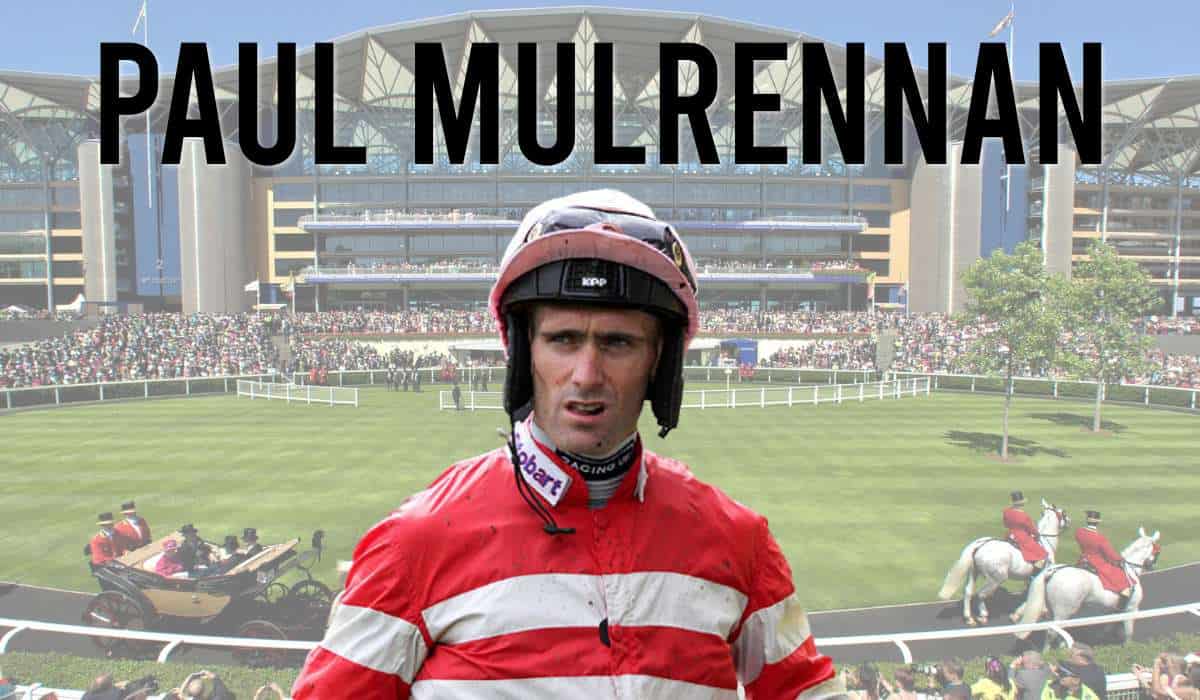
Paul Mulrennan
-
Rossa Ryan
-
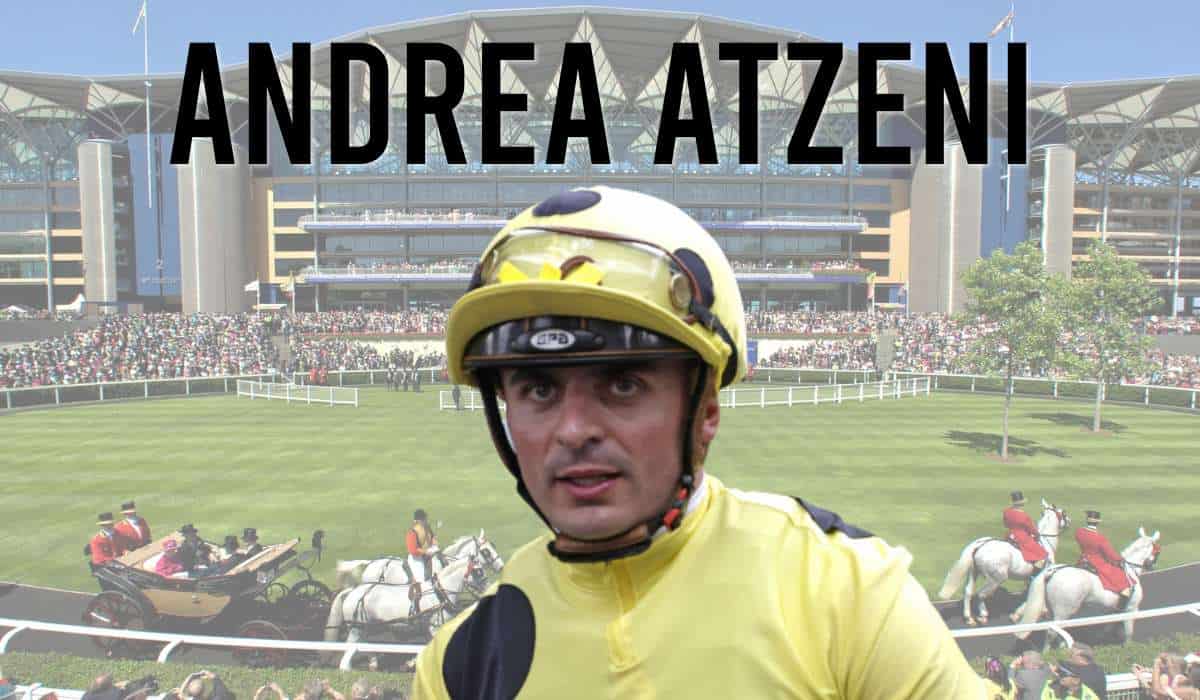
Andrea Atzeni
-
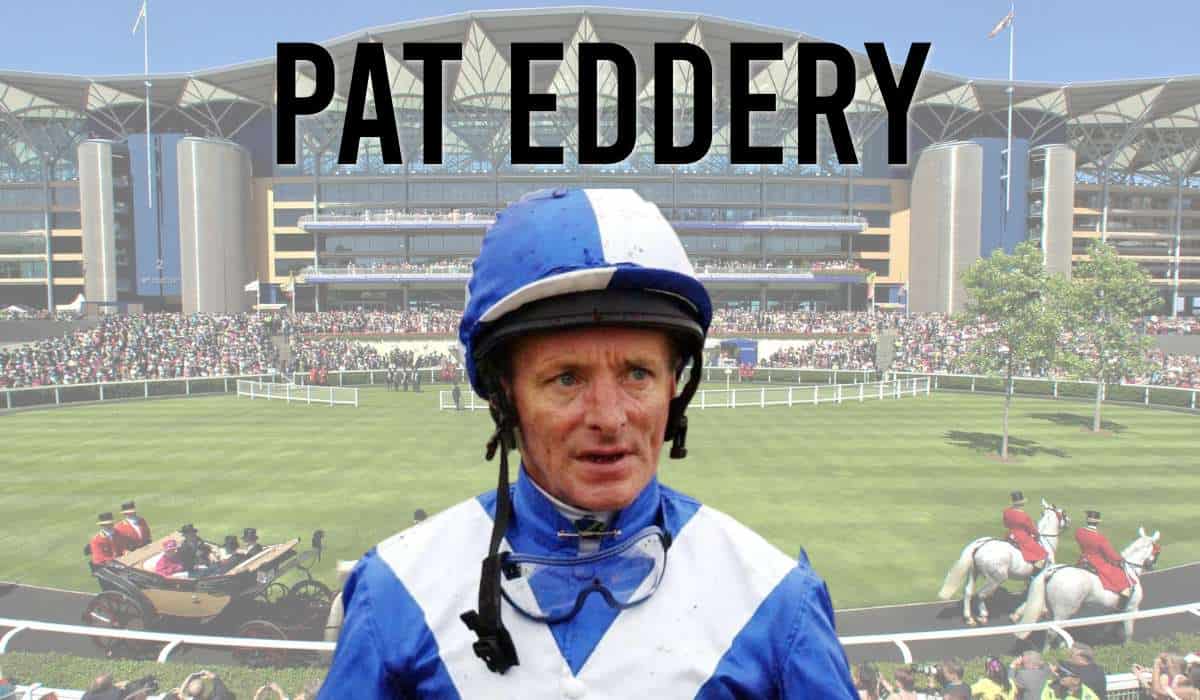
Pat Eddery
-
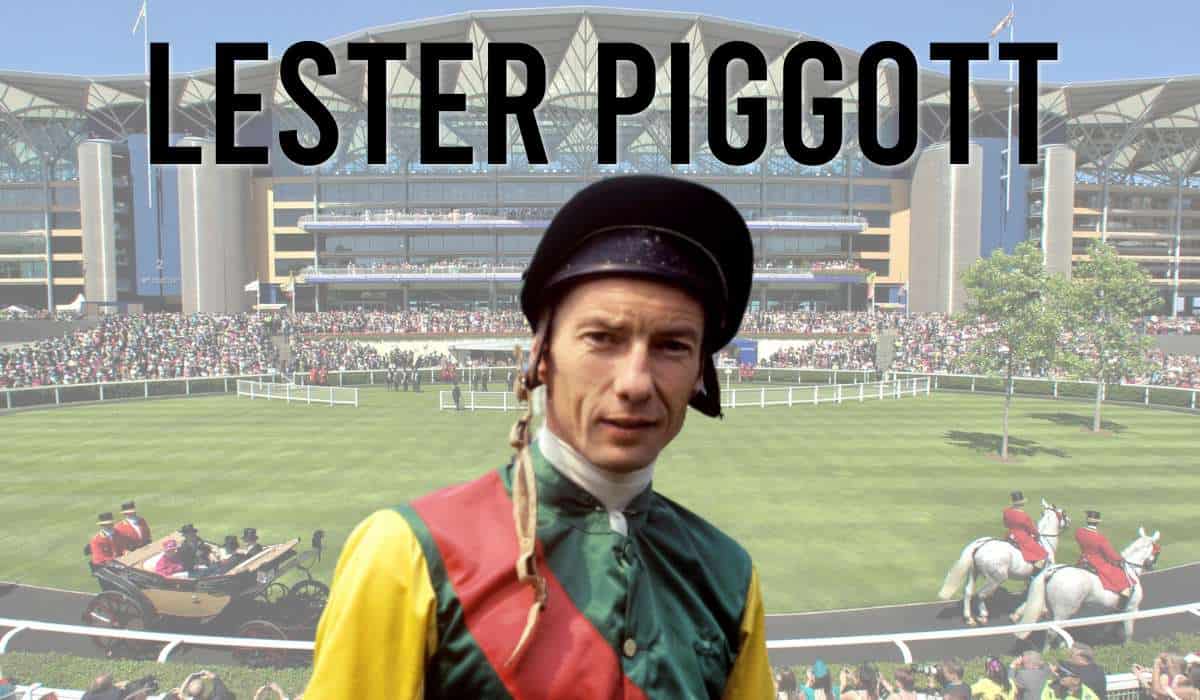
Lester Piggott
-
Hayley Turner
-
Ruby Walsh
-
Tony McCoy
-
Frankie Dettori
-
Colin Keane
-
Michael O’Sullivan
-
Rex Dingle
-
Jonjo O’Neill Jnr
-
Daryl Jacob
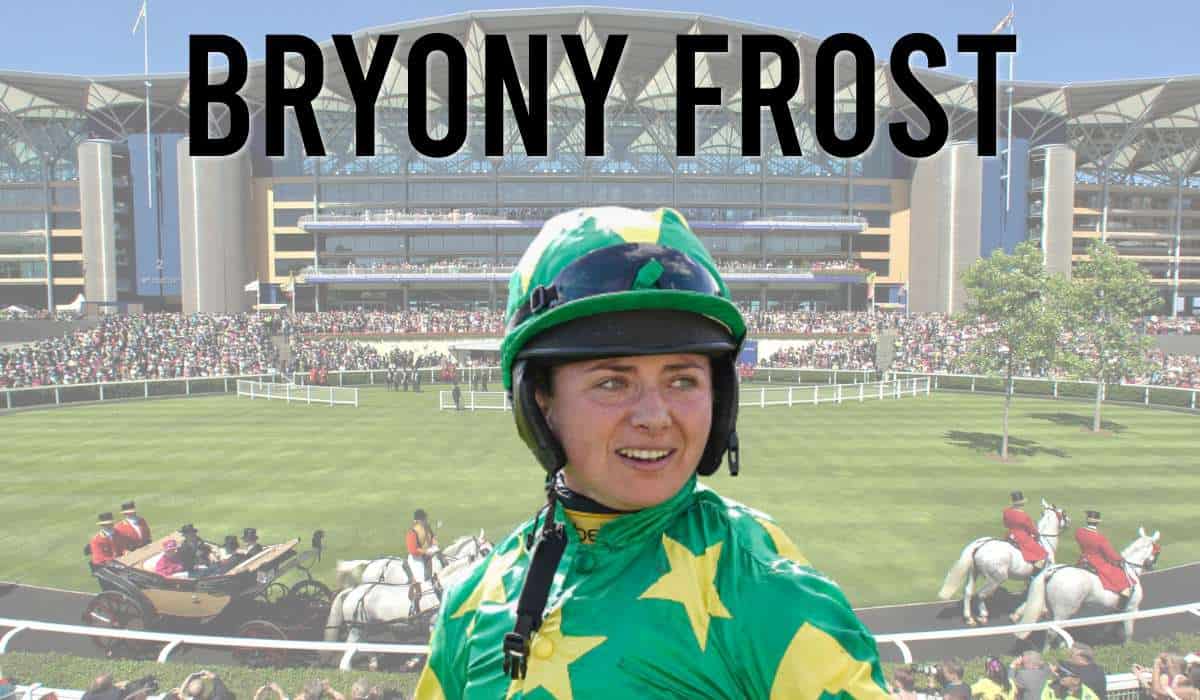
-
Bryony Frost
-
Mark Walsh
-
Danny Mullins
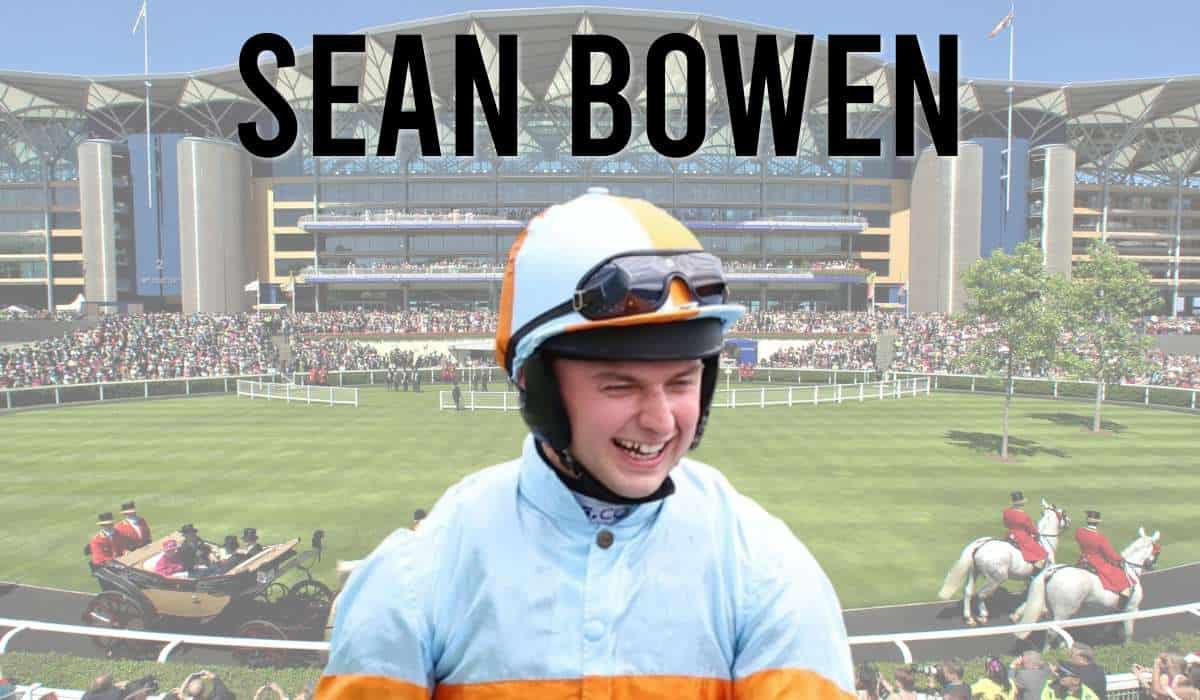
-
Sean Bowen
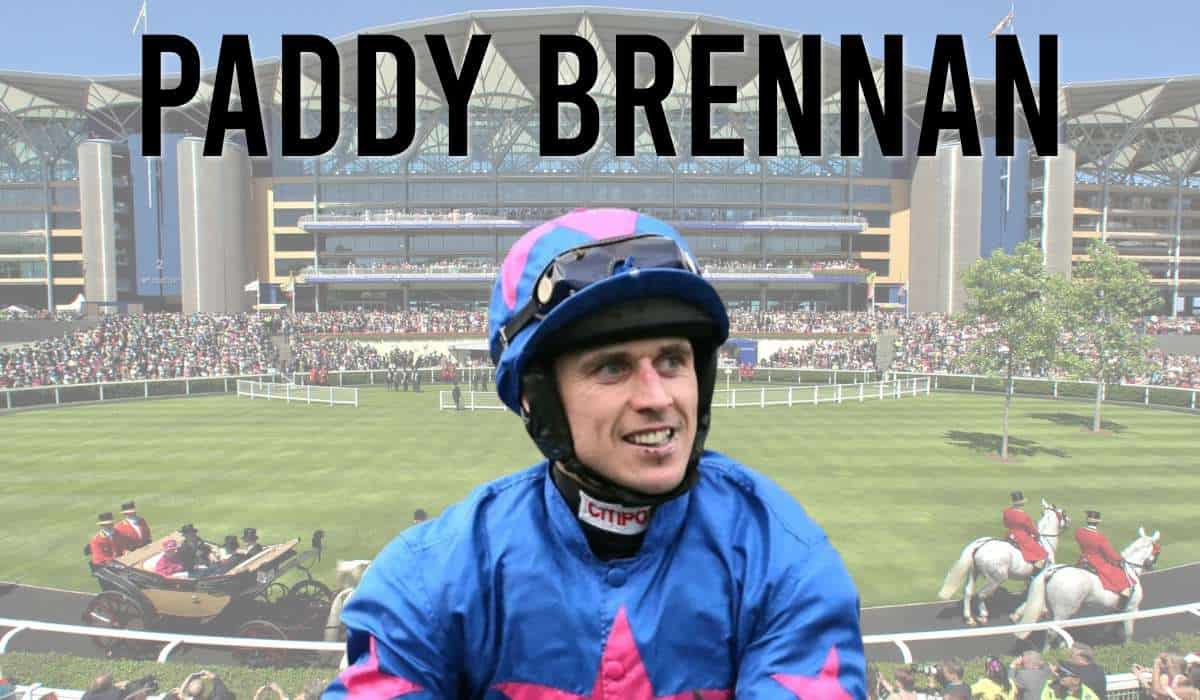
-
Paddy Brennan
-
Harry Cobden
-
Harry Skelton
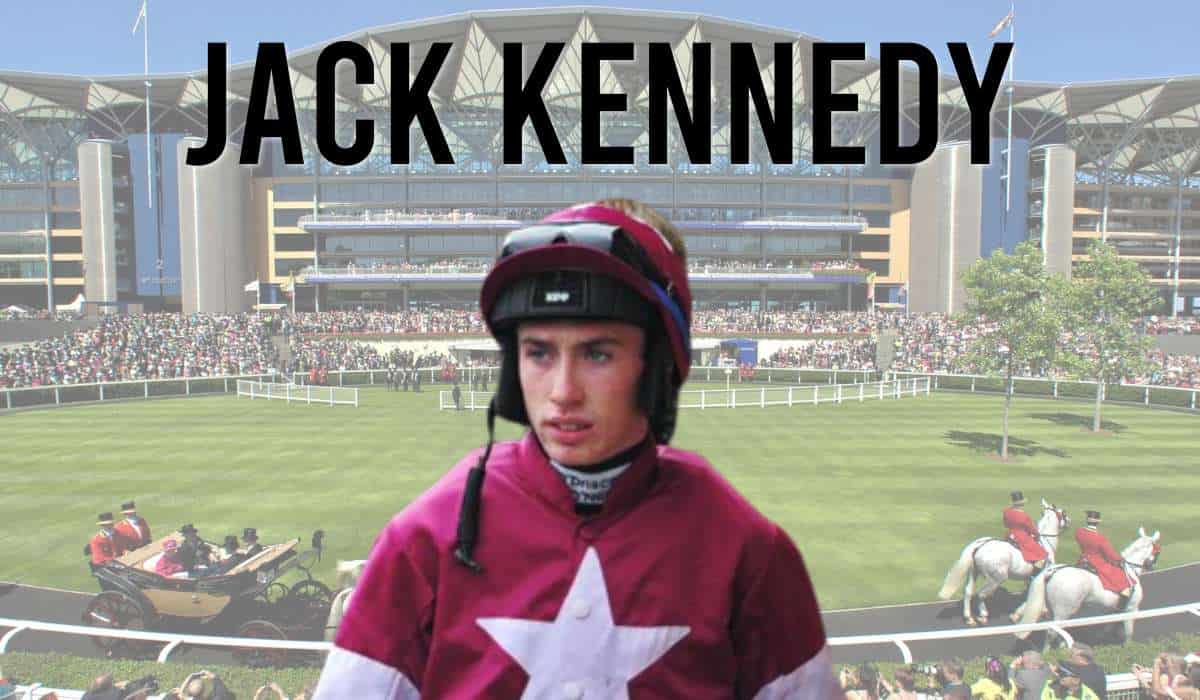
-
Jack Kennedy
-
Paul Townend – Jockey Profile
-
Hot Trainer Jockey Combinations
-
In-Form Jockeys: Today’s Hot Jockeys & 14-Day Jockey Form
-
Nico de Boinville
-
Gavin Sheehan
-
James Bowen
-
Horse Racing Jockeys
-
Sam Twiston-Davies
-
Brian Hughes
-
Luke Morris – Jockey Profile
-
Ben Curtis
-
David Probert
-
Daniel Tudhope
-
Rachael Blackmore
-
Oisin Murphy
-
Tom Marquand
-
James Doyle
-
Hollie Doyle
-
William Buick